
Vegetables
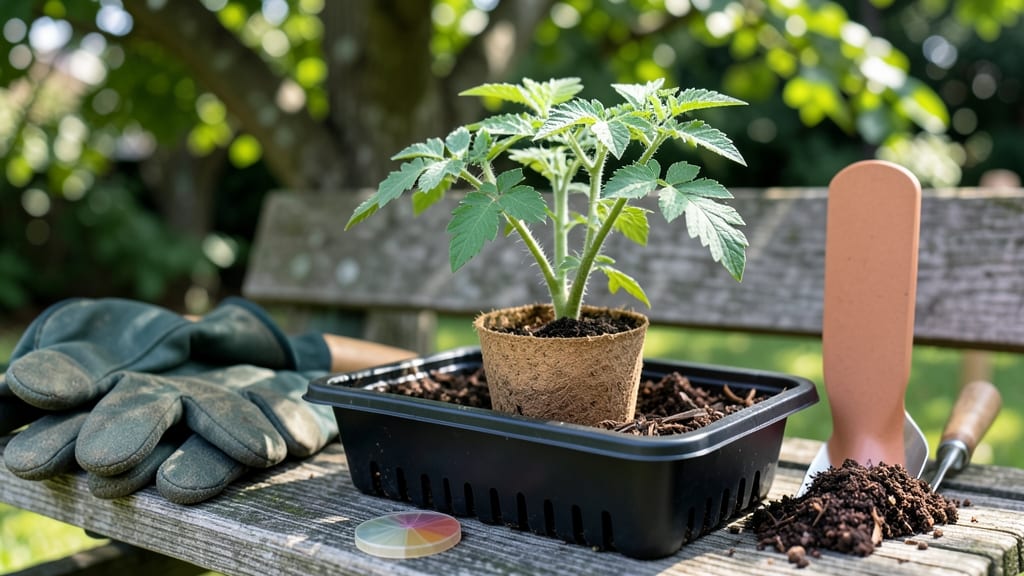
Starting tomato seeds outside directly can skip the weakling stage of indoor seedlings 🍅 — but only if you nail the timing and soil conditions.
Picture this: you’ve sown your seeds in mid-April, only for a late frost to turn your tender sprouts into sad, wilted memories. Or worse, you plant too early, and the soil stays too cold, leaving your seeds to rot in the ground.
Avoiding these mistakes starts with knowing your last frost date and soil temperature thresholds.
In Zone 6a (like much of the Midwest), that means waiting until soil hits 60°F and all frost risk has passed — usually late April to early May. But if you’re in a warmer zone, like Zone 10, you might start as early as February.
The key? Hardening off seedlings properly so they can handle the transition from cozy soil to the great outdoors.
Below, I’ll walk you through the exact steps to time your planting, prep your soil, and protect your seedlings from common pitfalls. By the end, you’ll know when to plant, how deep to sow, and what to watch for to ensure your tomato seeds grow into robust, fruit-bearing vines.
When to start tomato seeds outside: frost dates and climate Zones
Timing is everything when it comes to planting tomato seeds directly outside. Unlike starting seeds indoors, outdoor planting requires precise coordination with your local frost dates and soil temperature. Tomatoes are frost-sensitive, so planting too early can kill seedlings, while waiting too long may shorten your harvest season.
The key is understanding your USDA hardiness zone and preparing for the ideal 50-60°F soil temperature range.
Most gardeners wait until after the last frost date to plant tomato seeds outdoors. However, some cold-hardy varieties can tolerate slightly cooler soil. For example, in Zone 5, you might start seeds in late May, while in Zone 10, you could begin as early as February.
The difference comes down to your region's frost-free window and how quickly your soil warms in spring.
Before planting, always check your local frost dates using the USDA zone map, as these dates vary significantly across the country. For instance, Zone 5 typically sees its last frost around May 15, while Zone 10 may only experience frost in December or January.
Planting too early—even if the air feels warm—can be disastrous if a late frost hits.
Soil temperature is just as critical as air temperature. Tomatoes won’t germinate well in soil below 50°F, and growth slows dramatically below 60°F. Use a soil thermometer to confirm your soil has reached the ideal range before planting.
In cooler climates, you might need to use black plastic mulch or row covers to warm the soil faster.
Here’s a quick guide to help you align your planting with your zone and frost dates:
| USDA Zone | Last Frost Date | Ideal Planting Window | Soil Temp Requirement | Notes |
|---|---|---|---|---|
| Zones 3-4 | Mid-May to early June | Late May to early June | 60-65°F (use row covers) | Short season; choose early varieties. |
| Zones 5-6 | Mid-May | Late May to early June | 55-60°F (warm soil first) | Cold frames help extend season. |
| Zones 7-8 | Early April | April to early May | 50-55°F (soil warms faster) | Longer growing season; plant early. |
| Zones 9-10 | December-January (light frost) | February to March | 50-55°F (plant early) | Year-round planting possible. |
If you’re in a Zone 5 or colder, consider starting seeds indoors 6-8 weeks before the last frost date and transplanting seedlings after the soil warms. This gives you a head start on the season.
For Zones 7-10, you can often plant seeds directly outside as soon as the soil reaches 50°F, but be prepared to protect seedlings with row covers if frost is still a risk.
Another tip: monitor your local weather forecast for extended warm spells in early spring. If a 5-day forecast predicts temperatures above 60°F and no frost, it’s a good sign to start planting. However, always have row covers or frost cloth on hand for unexpected cold snaps.
For gardeners in Zone 10 or warmer, the challenge shifts to avoiding summer heat stress. Plant seeds in early spring or fall to take advantage of cooler temperatures. Succession planting every 2-3 weeks ensures a continuous harvest without overloading your plants during peak heat.
Finally, remember that tomato varieties matter. Cold-hardy types like 'Stupice' or 'Tyee' can tolerate cooler soil, while heat-loving varieties like 'Solar Fire' thrive in warmer climates. Choose varieties suited to your zone for the best results.
Step-by-step guide to direct-sowing tomato seeds in cold climates
Direct-sowing tomato seeds in cold climates requires careful planning to avoid frost damage while giving seedlings the best start. Unlike indoor starts, outdoor seeds must contend with chilly soil and unpredictable weather.
The key is preparing your seed bed early and choosing cold-hardy varieties like 'Stupice' or 'Tyee', which tolerate 45°F soil temperatures better than standard types.
Before planting, ensure your soil temperature reaches at least 50°F—use a soil thermometer to check. Cold soil slows germination, so warming it with black plastic mulch or a cloche for 1-2 weeks beforehand can help.
Amend the soil with compost to improve drainage and fertility, as tomatoes thrive in well-draining, nutrient-rich soil with a pH of 6.0–6.8.
🌱 Step-by-Step Guide to Direct-Sowing Tomato Seeds
- 1. Prepare Seed Beds: Loosen soil to 12 inches deep, removing weeds and rocks. Mix in 2 inches of compost for nutrients.
- 2. Plant Seeds: Sow seeds 1/4 inch deep in rows 18–24 inches apart. Space seeds 3 inches apart within rows for thinning later.
- 3. Cover Seeds: Lightly cover with soil and water gently to avoid displacing seeds. Keep soil moist but not soggy.
- 4. Protect Seedlings: Use row covers or cloches to shield from frost and wind. Remove covers when temps rise above 55°F.
- 5. Thin Seedlings: Once seedlings have 2 sets of true leaves, thin to 18–24 inches apart to prevent overcrowding.
- 6. Mulch and Water: Apply 2–3 inches of mulch (straw or grass clippings) to retain moisture. Water at soil level to avoid fungal diseases.
- 7. Monitor Growth: Watch for pests (hornworms, aphids) and diseases (early blight). Use neem oil or row covers as needed.
Watering is critical after sowing—keep the soil consistently moist but avoid overwatering, which can lead to damping-off disease. Water deeply in the morning to allow foliage to dry before nightfall, reducing fungal risks.
In cold climates, mulching with straw or leaves helps insulate roots and conserve moisture, especially during early spring or late fall plantings.
Cold-hardy tomato varieties like 'Stupice' or 'Tyee' are ideal for direct sowing in USDA Zones 3–6. These varieties tolerate cooler temperatures and produce fruit even in shorter growing seasons.
For extra protection, sow seeds under row covers or in low tunnels until seedlings are established. Once plants reach 6 inches tall, gradually remove covers to harden them off.
After germination (typically 7–14 days in warm soil), monitor seedlings for yellowing leaves or stunted growth, which may indicate poor drainage or nutrient deficiencies. Side-dress with compost tea or a balanced fertilizer (5-10-10) when plants are 6 inches tall to encourage robust growth.
With proper care, your direct-sown tomatoes will thrive and reward you with a bountiful harvest despite cold starts.
🌱