
Pests and Diseases
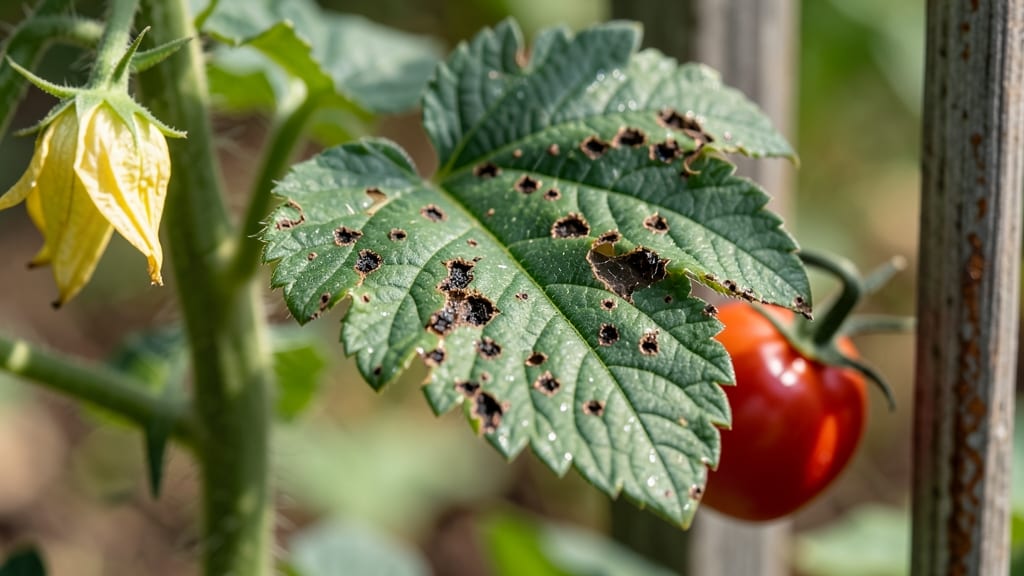
Stink bugs turn your perfect tomatoes into a mess of punctured fruit and moldy spots. 🌱 I’ve watched them ruin entire harvests in just a few days—until I learned how to spot their damage early and stop them in their tracks before they cause real trouble.
The first sign is small, pinprick holes in tomatoes, often with a white, moldy ring around them. These bugs inject enzymes that make the fruit rot faster, and once they start, they don’t stop. The real kicker?
They hide in plant debris and under leaves, making them hard to catch until it’s too late. With the right traps, sprays, and preventive steps, you can cut their damage by 80% or more—even if you’ve lost crops before.
I’ll show you how to turn the tide in your garden without harsh chemicals that harm pollinators. This works for backyard gardens, containers, and raised beds—anywhere tomatoes grow. Let’s get those bugs under control before they ruin another season.
Root Causes Of Tomato Damage
Stink bugs—those shield-shaped, pungent invaders—don’t just visit your tomato plants; they feast on them. But why do they target tomatoes in the first place? The answer lies in biology, plant chemistry, and even seasonal behavior.
Understanding these triggers can help you outsmart these pests before they ruin your harvest. Let’s break down the science behind their destructive habits.
Stink bugs are attracted to tomatoes primarily because of their high water content and soft, juicy flesh. Unlike woody stems or tough leaves, ripe tomatoes offer an easy, nutrient-rich meal. Here’s the breakdown:
- Sugars and acids: Stink bugs use their stylets (tiny, needle-like mouthparts) to pierce tomato skin and suck out cell sap, which contains sugars and organic acids. This is why they prefer green and ripening tomatoes—the sugar content peaks as fruit matures.
- Volatile organic compounds (VOCs): Tomatoes emit gases like hexanal and β-ocimene when damaged or stressed. Stink bugs’ antennae detect these signals, luring them to feed. Even a single punctured tomato can attract a swarm.
- Protein-rich seeds: The gel surrounding tomato seeds is packed with proteins and amino acids—stink bugs’ equivalent of a steak dinner. They’ll often skewer the fruit near the stem to access this high-value meal.
💡 Pro Tip: If you notice silver scars or sunken, discolored spots on tomatoes, it’s a sign stink bugs have already feasted. Preventative row covers (fine mesh netting) can block their access before they even detect your crop.
Stink bugs are opportunistic, meaning they strike when conditions are perfect for them—and often terrible for your tomatoes. Key factors include:
| Factor | Why It Matters | Actionable Fix |
|---|---|---|
| Warm Temperatures (75–85°F) | Stink bugs are most active in late summer to early fall when heat accelerates their metabolism. Tomatoes ripening in this window become irresistible targets. | Monitor plants daily during heatwaves and harvest tomatoes before full ripeness if infestations are severe. |
| Drought Stress | When soil is dry, tomatoes produce more sugars to conserve water—making them sweeter and more appealing to stink bugs. | Use drip irrigation to keep soil consistently moist, especially during dry spells. |
| Weedy Perimeter | Stink bugs often hibernate in weeds (like ragweed or smartweed) during winter. When these plants die back in spring, the bugs migrate to crops. | Clear weeds within 50 feet of your garden to reduce overwintering sites. |
| Nearby Fields Or Forests | Stink bugs are strong fliers and will travel miles to find food. If your garden is near corn, soybeans, or wild berries, they’ll stop by your tomatoes too. | Set up yellow sticky traps at garden edges to catch scouts before they spread. |
⚠️ Warning: Stink bugs aren’t picky—they’ll also target peppers, beans, and even apples. If you see them in one crop, assume they’re everywhere.
Stink bugs aren’t just hungry—they’re strategic feeders. Their biology turns a single bug into a harvest-destroying machine:
- Pierce-and-suck feeding: Unlike chewing insects, stink bugs inject saliva into tomato tissue, which breaks down cells. This creates necrotic (dead) spots that won’t heal, even if the bug is removed.
- Cluster feeding: A single stink bug can lay 50–100 eggs in a season. Nymphs (baby stink bugs) look like tiny armored beetles and feed just as aggressively as adults.
- Chemical camouflage: When threatened, stink bugs release trans-2-decenal, a foul-smelling compound that repels predators (like birds or ladybugs) and attracts more stink bugs to the area.
🔥 Hot Take: Stink bugs don’t just damage tomatoes—they spoil them faster. Punctures create entry points for fungal infections (like Fusarium wilt), turning a bad situation into a total loss.
Fixing Stink Bug Tomato Damage
Stink bugs may be small, but their damage to tomatoes can feel like a full-blown attack on your garden. The good news? With the right strategies, you can minimize damage, recover your plants, and prevent future invasions.
Below, we’ll break down targeted fixes based on the type of harm you’re seeing—plus proactive prevention tips to keep your tomatoes thriving.
If your tomato leaves look like they’ve been stabbed with tiny needles, stink bugs are likely sucking sap and injecting toxins. Here’s how to stop the bleeding (metaphorically, of course):
🍳 Immediate Rescue: Handpick & Remove
- 🕵️♂️ When to act: Early morning or late evening (stink bugs are sluggish then).
- 👨🍳 How to do it:
- Shake plants gently over a bucket of soapy water (1 tbsp dish soap per gallon).
- Wear gloves—some stink bugs release a foul odor when crushed.
- Check undersides of leaves (their favorite hiding spot).
- ⏰ Frequency: Repeat every 2–3 days during outbreaks.
🥘 Organic Sprays for Long-Term Defense
Stink bugs hate these natural repellents:
- Neem oil spray (1 tsp neem oil + 1 tsp mild soap per quart of water). Spray directly on bugs and undersides of leaves. Reapply after rain.
- Kaolin clay (food-grade).
Mix 4 tbsp with 1 gallon of water, spray as a protective barrier. Bugs can’t grip treated surfaces! - Peppermint or citrus oil spray (10 drops oil + 1 tsp soap per quart of water). Reapply every 5–7 days.
🔪 Physical Barriers (For Heavy Infestations)
- 🛡️ Row covers: Use fine mesh netting (1mm or smaller) over young plants. Secure edges with soil or weights.
- 🍅 Prune damaged foliage: Remove heavily punctured leaves to reduce stress on the plant and remove stink bug hideouts.
Stink bugs love ripe tomatoes—their pierces create ugly scars and internal rot. Here’s how to save your harvest:
🥒 Protect Ripe Tomatoes
- 🍅 Harvest early: Pick tomatoes before they fully ripen (green or breaker stage). Finish ripening indoors.
- 🛡️ Use fruit cages or individual bags (like onion bags) over clusters to block bugs.
- 🌡️ Temperature trick: Stink bugs hate heat.
Use black plastic mulch to warm soil—this speeds up tomato ripening and deters pests.
💡 Post-Harvest Damage Control
- 🍅 Check for internal damage: Cut open suspect tomatoes. If you see blackened, mushy spots, discard them.
- 🧼 Clean up debris: Remove fallen fruit and plant waste from the garden to eliminate hiding spots.
The best defense? A stink-bug-proof garden. Here’s how to keep them out for good:
🌿 Plant Smart: Stink Bug-Resistant Companions
Stink bugs avoid these plants—interplant them with tomatoes:
- Basil, marigolds, thyme, oregano (strong scents repel them).
- Nasturtiums (trap crop—bugs prefer these over tomatoes).
- Garlic and chives (natural insect deterrents).
🌡️ Create Unfavorable Conditions
- 💦 Reduce hiding spots: Keep garden clean and mulch-free near plant bases.
- 🌞 Maximize sunlight: Stink bugs thrive in shady, damp areas.
Ensure 6+ hours of sun for tomatoes. - 🌱 Rotate crops: Avoid planting tomatoes (or other solanaceae like peppers/eggplants) in the same spot yearly.
🛡️ Early Season Barriers
- 🏗️ Install sticky traps (yellow or blue) near plants to catch adults early.
- 🐝 Encourage natural predators:
- Spiders, lacewings, and parasitic wasps eat stink bug eggs.
- Plant dill, fennel, or cilantro to attract beneficial insects.
- 💡 Diatomaceous earth (DE): Sprinkle food-grade DE around plant bases (avoid direct contact with leaves—it’s harmful to bees).
Reapply after watering. - 🌡️ Heat treatment: For greenhouse tomatoes, increase temps to 90°F+ for a few hours—stink bugs can’t survive extreme heat. - 🚫 Avoid broad-spectrum pesticides: They kill good bugs (like ladybugs) that help control stink bugs.
By combining immediate action (handpicking, sprays) with long-term prevention (companion planting, barriers), you can reclaim your tomato harvest—and enjoy juicy, blemish-free fruit all season. 🍅💪
Frequently asked questions
What do stink bug-damaged tomatoes look like?
Look for tiny puncture marks (like pinpricks) on the tomato surface, often surrounded by white, moldy rings. The damaged areas may turn sunken and discolored, and when cut open, you’ll see blackened, mushy spots inside. These bugs inject enzymes that cause the fruit to rot faster, even if the exterior looks okay at first.
Can I still eat tomatoes with stink bug damage?
Only if the damage is minimal and superficial. Cut away any punctured or moldy areas and discard the rest—stink bugs can introduce harmful bacteria and fungi. If the tomato has internal blackening or a foul smell, toss it completely. When in doubt, it’s safer to remove the fruit entirely to avoid food safety risks.
How do I tell stink bugs apart from other tomato pests?
Stink bugs have a shield-shaped body (about 1/2 inch long) with distinctive banded antennae. When threatened, they release a pungent odor (hence the name). Unlike aphids or beetles, they don’t chew leaves—they pierce fruit and stems with their straw-like mouthparts. Check for these clues: silver scars on leaves and punctured tomatoes.
Will neem oil really work against stink bugs?
Yes, but it requires consistent application. Neem oil disrupts stink bugs’ feeding and reproduction cycles. Mix 1 tsp neem oil + 1 tsp mild soap per quart of water and spray directly on bugs and undersides of leaves every 5–7 days, especially after rain. For best results, combine it with handpicking and physical barriers like row covers.
Are there any chemical-free ways to prevent stink bugs?
Start with companion planting—grow basil, marigolds, or nasturtiums near tomatoes to repel bugs. Use yellow sticky traps to catch adults early, and install row covers over young plants. Diatomaceous earth (food-grade) around plant bases also works—just avoid direct contact with leaves to protect bees. Keep your garden clean and weed-free to remove hiding spots.