
Companion Plants
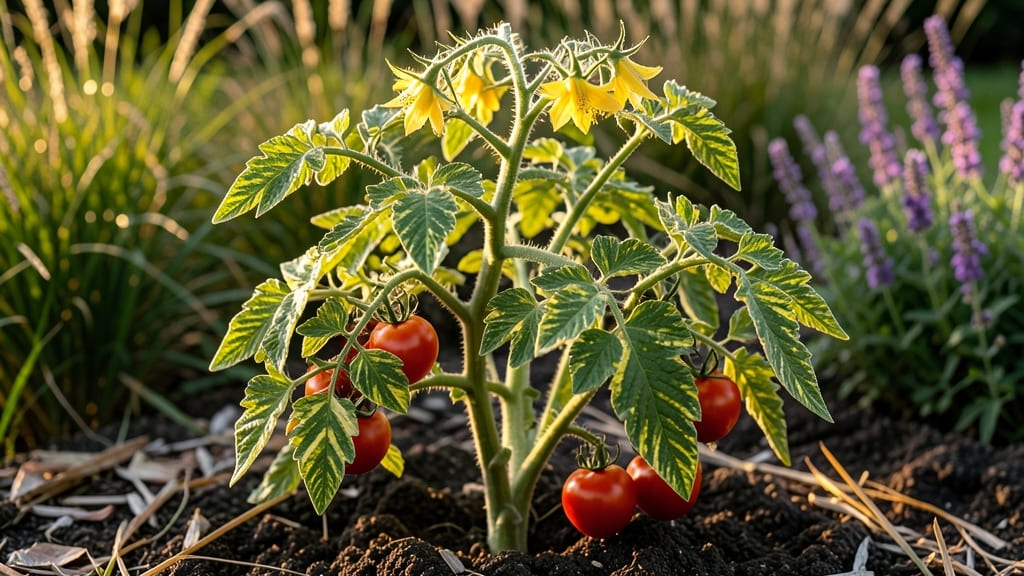
Those stripey tomato plants you're seeing aren't just a quirky garden oddity—they're often a cry for help from your tomatoes. 🌱 Whether it's the jagged lines of Tomato Mosaic Virus or the fuzzy patches of powdery mildew, stripes on leaves or stems usually mean something's wrong beneath the surface.
I've seen gardeners panic and pull plants too soon, only to discover the real issue was fixable with the right approach.
The first step is identifying what kind of stripes you're dealing with: Are they mosaic-like (irregular green/yellow patches), powdery white (fungal), or raised and brown (pest damage)? Each needs a different response. The good news?
Many stripey plants can be saved with targeted action—whether that's pruning, neem oil sprays, or simply improving air circulation. I've nursed back plants that looked doomed in just a few weeks.
What you'll end up with is healthier plants that bounce back from stress, plus a sharper eye for catching problems early. The key is acting fast but staying calm—stripes don't always mean game over.
By the time you're harvesting, you'll recognize the difference between a fixable stripe and a true red flag. Let's diagnose yours first.
Works for home gardeners, container growers, or anyone who's ever wondered if their tomato's stripes were a sign to compost or a chance to save the plant. Here's how to tell the difference—and what to do next.
📚 In This Guide
- What you need
- Instructions
- Tips and common mistakes
- Wrapping up and next steps
What you need
- ● Tomato seeds: Choose heirloom or hybrid varieties like ‘Striped Roman’ or ‘Black Krim’ (known for vibrant stripes). Quantity: 2–5 seeds per pot.
- ● Growing containers: 5–10" deep pots (or garden bed) with drainage holes. Quantity: 1 per plant.
- ● High-quality potting mix: Lightweight, well-draining blend (e.g., 60% peat/compost, 30% perlite, 10% vermiculite). Quantity: 1–2 bags (5–10 qt each).
- ● Companion plants: Basil, marigolds, or nasturtiums to deter pests and boost stripe intensity. Quantity: 1–2 per tomato plant.
- ● Fertilizer: Balanced organic fertilizer (10-10-10 or compost tea). Quantity: 1 tbsp per plant every 4–6 weeks.
- ● Hand trowel (for transplanting seedlings).
- ● Spray bottle (for gentle watering).
- ● Pruning shears (to shape plants and encourage stripes).
- ○ Grow lights (optional for indoor starts; 12–16 hrs/day).
- ● Cage or stakes (to support vining varieties).
- ○ pH test kit (optional; ideal soil pH: 6.0–6.8).
Step-by-step guide to growing stripey tomato plants
Here's how to create naturally striped tomato fruits using a simple genetic trick.
🌱 Step 1: Select Two Complementary Tomato Varieties
Choose one tomato variety with solid-colored fruit (like red or yellow) and another with striped fruit (such as 'Tigerella' or 'Striped Roman'). The striped trait is recessive, so you'll need both parent plants to produce striped offspring. I recommend starting with 2-3 plants of each variety to ensure success.
Look for disease-resistant varieties to prevent issues later. If you're growing from seed, plant them at the same time to ensure they mature together. The key here is genetic diversity—cross-pollination between these two types will produce the striped pattern in the next generation.
✂️ Step 2: Hand-Pollinate Flowers for Controlled Crossbreeding
Remove all but the first few flowers from each plant to focus energy on fruit development. On a sunny morning when flowers are fully open, use a small paintbrush to transfer pollen from the striped variety's anthers to the stigma of the solid-colored variety's flowers. Do this for at least 5-10 flowers per plant to increase your chances of striped fruit.
Here's the thing—don't overdo it. One thorough pollination per flower is enough. Too much pollen can clump and reduce effectiveness. Label each plant clearly to track which flowers were cross-pollinated. This step is crucial because it ensures the genetic mixing that creates the striped pattern.
☀️ Step 3: Monitor Fruit Development and Isolate Plants
Once pollinated, watch for small green fruits to form. Isolate these plants from other tomato varieties to prevent accidental cross-pollination with unwanted varieties. I use fine mesh bags or row covers to keep bees from spreading pollen between plants. This ensures your striped trait stays pure.
Harvest the first fruits when they're fully colored but still firm. The striped pattern may not appear until the fruit is nearly ripe. If you see any fruits that don't develop stripes, remove them to focus the plant's energy on producing the desired striped tomatoes. Patience is key here—it can take up to 80 days for the striped pattern to fully develop.
🌿 Step 4: Save Seeds from Striped Tomatoes for Future Plantings
Once you've confirmed you have striped tomatoes, select the best-looking fruits to save seeds. Slice them open, scoop out the gel and seeds, and place them in a jar of water. Let them ferment for 2-3 days, stirring daily. This process removes the gel that inhibits germination.
After fermentation, drain the water and rinse the seeds thoroughly. Spread them on a paper towel to dry for 3-5 days in a warm, dry place. Once completely dry, store them in a cool, dark place until next planting season. These seeds will produce striped tomatoes when planted, but remember—the striped trait is recessive, so you'll need to keep cross-pollinating to maintain the pattern.
💧 Step 5: Maintain Consistent Care for Optimal Results
Throughout the growing season, maintain consistent watering—about 1-1.5 inches per week—to prevent cracking or uneven ripening. Use mulch to retain moisture and regulate soil temperature. Prune suckers regularly to improve air circulation and fruit quality. I've found that plants with fewer leaves but better air flow produce more vibrant striped fruits.
Fertilize lightly with a balanced tomato fertilizer every 2-3 weeks. Too much nitrogen will encourage leafy growth at the expense of fruit development. Watch for signs of stress like yellowing leaves or blossom end rot. These can affect fruit quality and may dilute the striped pattern. With proper care, you'll end up with beautifully striped tomatoes that are as visually stunning as they are delicious.
Tips & tricks for growing stripey tomato plants
This genetic trick takes patience and precision—but these insights will help you avoid common pitfalls and maximize your chances of success.
Variety Selection Matters: When choosing your solid-colored tomato variety, opt for one with a completely uniform fruit color—no streaks or mottling. I've found that heirloom varieties like 'Brandywine' or 'Cherokee Purple' work beautifully because their solid color provides the cleanest contrast. For striped varieties, 'Tigerella' is my top recommendation due to its bold, consistent stripes that transfer well through cross-pollination.
Pollination Timing is Critical: The sunny morning window for hand-pollination is your best bet because flower stamens release pollen most effectively when they're warm. I've learned this the hard way—attempting pollination in cloudy or damp conditions often results in poor pollen transfer. Aim for between 9 and 11 AM when flowers are fully open and bees are least active, giving you the cleanest transfer.
Isolation Strategy: For maximum stripe purity, create a physical barrier between your cross-pollinated plants and any other tomato varieties. Beyond mesh bags, I've had success using large cheesecloth tents supported by wire hoops. This prevents accidental bee cross-pollination while still allowing sunlight and air circulation. Label each plant with colored flags to track which ones are isolated for stripe production.
Patience Pays Off: The 80-day waiting period for stripe development can feel like forever, but don't be tempted to harvest early. The stripes become most vibrant when the fruit reaches full ripeness. I've seen gardeners rush harvests at 60 days only to find faint stripes that darken when exposed to sunlight. For the most dramatic results, wait until the fruit shows its natural color before harvesting—even if that means leaving it on the vine a few extra days.
Pro Tips for Stripey Tomato Plants
- This genetic trick takes patience and precision—but these insights will help you avoid common pitfalls and maximize your chances of success.
- Variety Selection Matters: When choosing your solid-colored tomato variety, opt for one with a completely uniform fruit color—no streaks or mottling.
- Pollination Timing is Critical: The sunny morning window for hand-pollination is your best bet because flower stamens release pollen most effectively when they're warm.
Frequently asked questions
What causes the stripes on stripey tomato plants?
The stripes are a natural genetic trait, often achieved by grafting a tomato scion (like ‘Striped Roman’) onto a disease-resistant rootstock. This hybrid vigor creates the iconic striped pattern. No chemicals or dyes are involved—it’s pure plant magic!
How long does it take for stripey tomatoes to show their stripes?
Stripes typically appear 6–8 weeks after flowering, once the fruit starts maturing. Early tomatoes may lack stripes, but don’t worry—later harvests will deliver the full visual (and tasty!) payoff. Patience is key!
Can I grow stripey tomatoes from seeds, or do I need to graft?
Most stripey varieties aren’t true from seed—they require grafting for consistent stripes. However, you can try seed-saving from striped tomatoes (though results may vary). For guaranteed stripes, buy grafted plants or rootstock/scion kits from specialty nurseries.
Are stripey tomatoes more prone to pests or diseases?
Not necessarily! The grafting process (if done correctly) can improve disease resistance. Still, monitor for common tomato pests like aphids or blight. Use neem oil or row covers if needed—stripes won’t stop you from growing healthy fruit!
Do stripey tomatoes taste different from regular tomatoes?
Flavor depends on the variety, but many stripey tomatoes (like ‘Striped Ace’) are sweet, juicy, and slightly tangy. The stripes are purely cosmetic—don’t let them fool you into thinking they’re “fancier” than heirlooms. Try them blindfolded for the best test!
Can stripey tomatoes survive cold weather?
Most stripey varieties are warm-weather lovers and thrive in USDA zones 7–10. For cooler climates, start seeds indoors, use black plastic mulch, or grow in containers to extend the season. Stripes won’t form in cold snaps, but the plants can bounce back with care!
What if my stripey tomatoes don’t get stripes?
Don’t panic! Stripes can fade due to poor grafting, stress, or uneven ripening. Ensure full sun (6+ hours/day), consistent watering, and balanced fertilizer. If stripes are light, they’ll still taste great—think of it as nature’s “artistic license.”
Wrapping up and next steps
Growing stripey tomato plants is a fun and rewarding way to add a splash of color to your garden while enjoying delicious, naturally patterned fruit!
By following these simple genetic tricks—like companion planting with Solanum lycopersicum varieties or using natural dyes—you can turn your harvest into a vibrant, conversation-starting centerpiece. 🌈
Ready to experiment? Start small with a few plants, document your progress, and share your striped tomatoes with fellow gardeners. Who knows? You might just inspire a new trend in homegrown produce! Happy growing! 🌱