
Flowers
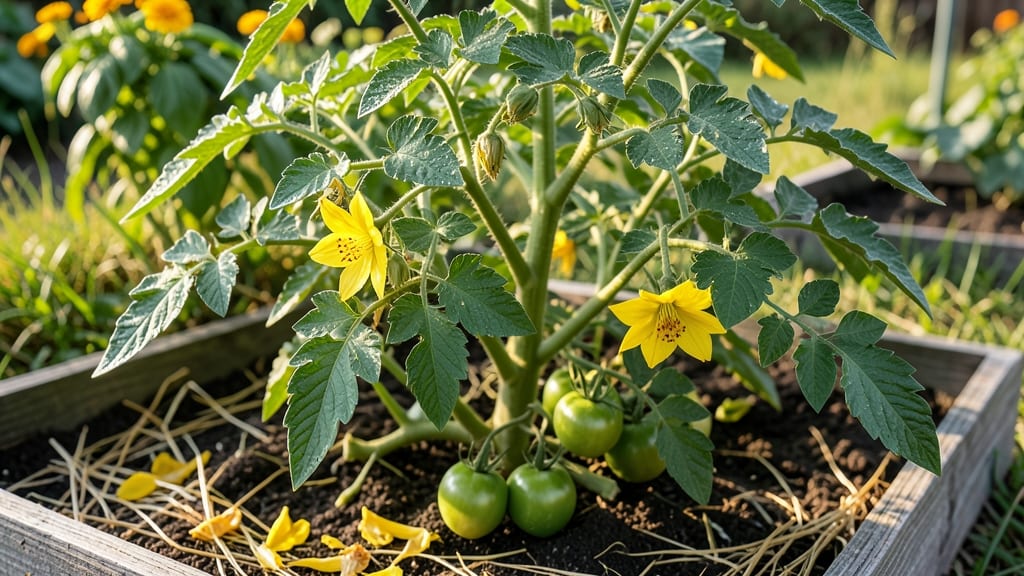
When the tomato flower pollination process fails, you're missing out on the juiciest harvest of the season. 🌱 The secret to heavy fruit set lies in understanding how to hand-pollinate—or trick nature into doing it for you.
I've turned my light-fruit seasons into bounty-filled ones using these simple techniques, and you can too.
Tomatoes need pollen to transfer from male to female parts of the flower, but sometimes wind or bees just don't cut it—especially indoors or in rainy weather. The good news?
You can mimic nature with a soft brush or even your finger. Just tap the center of each flower gently, and watch those blossoms swell into plump tomatoes within weeks.
This method works for both outdoor plants and indoor growers, giving you control over fruit production regardless of weather. You'll end up with more tomatoes than you know what to do with—perfect for sauces, salads, or sharing with neighbors who'll wonder how you got so many.
Even experienced gardeners sometimes miss the signs of poor pollination—yellowing flowers or tiny fruit that drops off. Here's how to spot the problem early and fix it before it's too late, so your plants stay productive all season long.
Root Causes of Poor Pollination
Tomato flowers may fail to pollinate properly due to a mix of environmental, biological, and human factors. Understanding these causes is the first step to fixing the issue and ensuring a bountiful harvest. Below, we break down the key reasons why tomato flowers struggle to set fruit.
Tomatoes rely on wind, bees, and other insects to transfer pollen from the male anthers to the female stigma. Without these helpers, flowers may drop before fruit forms.
- Wind Pollination Failure: Many heirloom and larger tomato varieties depend on wind to carry pollen.
If your garden is sheltered (e.g., enclosed by walls, fences, or dense foliage), wind currents weaken, reducing pollen transfer. - Actionable fix: Plant tomatoes in open, breezy areas or use a small fan on low speed near flowers during peak blooming hours (morning to early afternoon). - Bee Decline or Absence: Modern pesticides, urbanization, and seasonal shifts can limit bee activity.
Even in rural areas, harsh weather (like heavy rain or extreme heat) keeps bees indoors. - Actionable fix: Attract pollinators with bee-friendly plants (basil, marigolds, or borage) nearby. Avoid neonicotinoid pesticides, which are toxic to bees.
Tomatoes thrive in moderate temperatures (65–85°F / 18–29°C). Too much heat, cold, or stress disrupts flower development and pollination.
- Heat Stress (Above 90°F / 32°C)
- High temperatures cause flower drop (a condition called blossom end rot of flowers) before pollination can occur.
- Pollen may fail to mature or become sterile, rendering it useless for fertilization.
- Actionable fix:
- Use shade cloth (30–50% coverage) during peak afternoon heat.
- Mulch heavily to keep roots cool.
- Choose heat-tolerant varieties (e.g., ‘Solar Fire’, ‘Heatmaster’).
- Cold Snaps (Below 55°F / 13°C)
- Chilly nights slow pollen production and reduce bee activity.
- Flowers may abort before opening or fail to release pollen.
- Actionable fix:
- Row covers or cloches (mini greenhouses) protect flowers overnight.
- Plant in sheltered microclimates (south-facing walls or raised beds absorb heat).
Not all tomato flowers are created equal—some are male-only, while others are hermaphroditic (both male and female parts). If flowers don’t develop properly, pollination becomes impossible.
- Male Flowers (First Blooms in Some Varieties)
- In indeterminate tomatoes, the first few flowers may be male-only, producing pollen but no stigma to receive it.
- Actionable fix: Remove these early male flowers to encourage the plant to focus on hermaphroditic blooms (which have both pollen and stigma).
- Bud Drop Due to Over-Fertilization
- Too much nitrogen (N) promotes leafy growth at the expense of flowers.
- Excessive potassium (K) or phosphorus (P) imbalances can cause flowers to abort.
- Actionable fix:
- Use a balanced fertilizer (e.g., 5-5-5 or 10-10-10) and reduce nitrogen once flowers appear.
- Flush soil with water if over-fertilized.
Even the best-intentioned gardeners can accidentally sabotage pollination through pruning, watering, or chemical use.
- Over-Pruning or Topping
- Removing too many flower clusters (especially early in the season) reduces the plant’s energy for fruit set.
- Actionable fix: Leave 3–5 main stems on indeterminate tomatoes and prune only to improve airflow.
- Inconsistent Watering
- Drought stress causes flowers to drop before pollination.
- Overwatering leads to root rot, weakening the plant’s ability to support flowers.
- Actionable fix:
- Water deeply 1–2 times per week (1–1.5 inches per session).
- Use drip irrigation to keep foliage dry and prevent fungal issues.
- Pesticide or Herbicide Drift
- Systemic pesticides (e.g., imidacloprid) can kill bees or damage pollen.
- Herbicides (like glyphosate) may drift onto tomato plants, stunting growth.
- Actionable fix:
- Use neem oil or horticultural soap for pests.
- Apply pesticides early in the morning when bees are least active.
Some tomato varieties are more prone to pollination issues due to their genetics or breeding history.
- Self-Sterile or Self-Unfruitful Varieties
- Rare in home gardens, but some heirloom or exotic tomatoes require cross-pollination with another plant.
- Actionable fix: Plant two compatible varieties nearby (e.g., ‘Black Krim’ and ‘Cherokee Purple’).
- Small or Weak Flowers
- Cherry tomatoes and mini varieties have tiny flowers that may fail to open or shed pollen easily.
- Actionable fix:
- Hand-pollinate with a soft brush or cotton swab.
- Choose larger-fruited varieties if pollination is consistently poor.
Even if pollen is present, asynchronous flowering (when male and female parts aren’t ready at the same time) can fail pollination.
- Pollen Not Ready When Stigma Opens
- Some flowers release pollen hours after the stigma becomes receptive.
- Actionable fix:
- Hand-pollinate in the morning (6–9 AM) when both pollen and stigma are fresh.
- Gently tap flowers to encourage natural pollen release.
- Late-Season Stress
- As plants age, they may shift energy to roots instead of flowers, reducing fruit set.
- Actionable fix:
- Harvest regularly to encourage continued blooming.
- Apply a low-dose fertilizer (like fish emulsion) to support late-season growth.
Struggling to pinpoint the issue? Use this table to identify likely causes:
| Symptom | Possible Cause | Quick Fix |
|---|---|---|
| Flowers open but drop | Heat stress, drought, or over-fertilization | Shade, water deeply, reduce nitrogen |
| No fruit after hand-pollination | Sterile pollen or incompatible variety | Test with another plant or variety |
| Bees avoid the plant | Pesticide use or lack of nectar sources | Plant companion flowers, avoid sprays |
| Flowers stay closed | Humidity/fungus or genetic trait | Improve airflow, choose open varieties |
| Pollen looks dusty but ineffective | Old pollen or poor weather | Pollinate early morning, protect from rain |
Fixing Poor Pollination Fast
Poor pollination can leave your tomato plants looking like they’re throwing a party with no guests—all the flowers blooming but no fruit forming. But don’t worry! With the right fixes, you can turn those empty blossoms into a bountiful harvest.
Below are practical, step-by-step solutions tailored to common causes, plus prevention tips to keep your tomatoes thriving.
If your garden is sheltered (like a greenhouse or backyard oasis), wind may not be helping pollen spread naturally.
How to Fix It:
- 🔥 Hand-Pollinate Daily – Use a small paintbrush, cotton swab, or even a soft paint roller to gently transfer pollen from one flower’s anthers (the yellow dusty bits) to the stigma (the sticky center). Do this in the morning when flowers are fresh and dew is present.
- 🍳 Create Gentle Airflow – Place a small fan on a low setting near your plants (but not too close—tomatoes hate strong drafts). This mimics natural wind without disturbing the plants.
- 👨🍳 Shake the Plants Lightly – If you have bush tomatoes, give them a very gentle shake in the morning to help pollen loosen and fall naturally.
Prevention Tip: 💡 Plant tomatoes near other wind-friendly crops (like basil or marigolds) to encourage natural airflow without overdoing it.
Tomato flowers drop when temps dip below 55°F (13°C) or soar above 90°F (32°C). This is called "blossom drop"—and it’s heartbreaking!
How to Fix It:
- 🌡️ Adjust Watering for Heat – During heatwaves, water deeply in the morning to keep soil cool and reduce stress. Avoid wetting leaves to prevent sunburn.
- ⏰ Time Your Pollination – If flowers are dropping due to heat, pollinate in the early morning or late evening when temps are cooler.
- 🏡 Provide Shade Cloth – If your garden gets scorching afternoon sun, drape 30-50% shade cloth over plants temporarily. Remove it once temps drop.
- 🥗 Mulch Like a Pro – Apply 2-3 inches of straw or grass clippings around the base to regulate soil temperature and retain moisture.
Prevention Tip: ✨ Choose heat-tolerant varieties like ‘Solar Fire’ or ‘Heatmaster’ if you live in a hot climate.
Even if you hand-pollinate, some flowers still need a little extra help—especially in urban or bee-free zones.
How to Fix It:
- 🐝 Invite Pollinator Friends – Plant bee magnets nearby: marigolds, borage, or nasturtiums. Even a small bee hotel can help!
- 🍳 DIY Pollen Transfer Tool – If bees aren’t visiting, use a small artist’s brush to manually transfer pollen between flowers. Focus on morning-glory-shaped flowers (the ones that open wide).
- 👨🍳 Try a "Pollinator Corridor" – If you have space, dedicate a garden bed to native wildflowers to attract bees long-term.
Prevention Tip: 🎯 Avoid pesticides! Even "organic" sprays can harm pollinators. Use neem oil or insecticidal soap sparingly and only at night when bees are inactive.
Too much water or nutrient deficiencies can weaken flowers before they even get a chance to pollinate.
How to Fix It:
- 💧 Water at the Roots – Deep watering 1-2 times per week (instead of daily light sprinkles) encourages strong root growth and stable flowers.
- 🌱 Feed with the Right Mix – Use a balanced fertilizer (10-10-10) or a tomato-specific formula when flowers appear. Avoid high-nitrogen fertilizers—they promote leaves over fruit!
- 🥗 Boost Soil with Compost – Amend soil with well-aged compost or worm castings for better nutrient absorption. Tomatoes love slightly acidic to neutral soil (pH 6.0-7.0).
Prevention Tip: 🔥 Test your soil! A simple DIY pH kit (available at garden centers) can save you from guesswork.
When tomato plants are too close together, they compete for resources, leading to weak flowers that won’t set fruit.
How to Fix It:
- 🌿 Prune for Airflow – Remove suckers (side shoots) and lower leaves to improve circulation. This also helps prevent diseases like blight.
- 🍳 Thin Out Plants – If you’re growing in containers or tight spaces, space plants 18-24 inches apart for bush varieties or 24-36 inches for indeterminate types.
- 👨🍳 Support with Cages or Stakes – Use tomato cages, stakes, or trellises to keep plants upright and reduce stress from leaning or sprawling.
Prevention Tip: ✨ Start with the right variety for your space! Determinate (bush) tomatoes are great for containers, while indeterminate (vining) types need more room.
Keep a simple garden journal to note:
- When you pollinate manually
- Weather conditions on pollination days
- Any drops or wilting
This helps you spot patterns and adjust next season!
Ready to turn those blossoms into tomatoes? Grab your brush, check the weather, and get pollinating—your future salsa will thank you! 🍅🔥
Frequently asked questions
How do I know if my tomato flowers need hand-pollination?
Check for these signs: flowers open but drop without forming fruit, or you're growing indoors/under glass where bees can't reach. Also watch for tiny fruit that falls off—this means pollination failed. If your garden is sheltered or you notice few bees visiting, manual help is likely needed.
What's the best time of day to hand-pollinate tomato flowers?
Morning between 6-9 AM is ideal when flowers are fresh and dew helps pollen stick to the stigma. Avoid afternoon heat which can dry out pollen. If you must pollinate later, do it in the evening when temperatures drop below 85°F (29°C).
Can I use any tool for hand-pollination, or are there specific recommendations?
You can use a soft paintbrush, cotton swab, or even your finger—but avoid anything rough that might damage delicate flower parts. For large plants, a small artist's brush works best. Just make sure your tool is clean to prevent spreading disease between flowers.
Why do some tomato flowers produce fruit while others don't, even on the same plant?
This often happens because some flowers are male-only (producing pollen but no stigma) while others are hermaphroditic (both parts). Early flowers on indeterminate varieties are frequently male-only. Remove these early blooms to encourage more productive hermaphroditic flowers to develop.
How long after hand-pollination should I expect to see fruit development?
With successful pollination, you should see a tiny fruit (pea-sized) forming within 3-5 days. If nothing appears after a week, try pollinating again—sometimes pollen transfer needs reinforcement. Remember that fruit development depends on proper nutrients and water too.