
Companion Plants
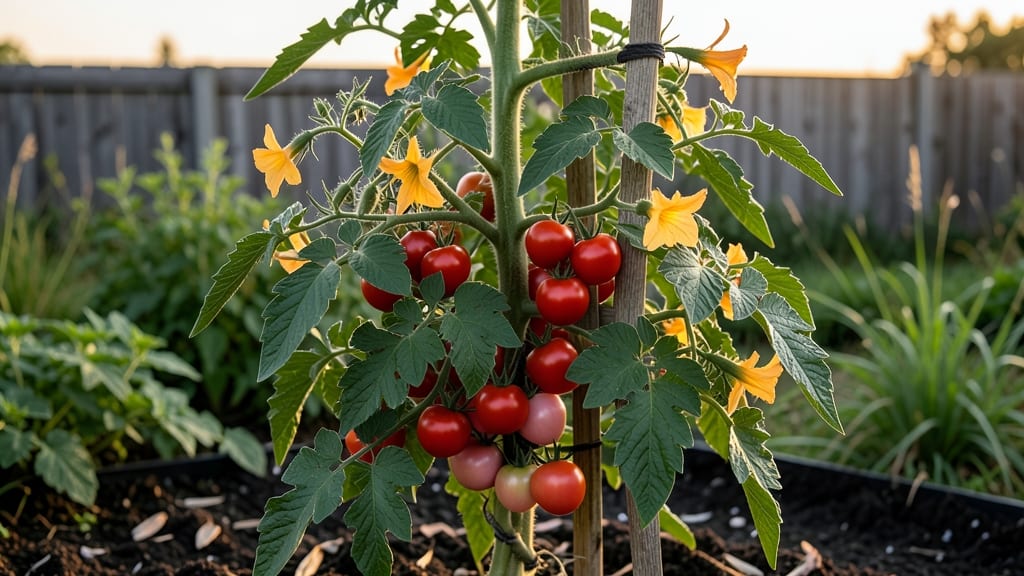
Growing Sweet Million tomatoes means disease-resistant plants that produce hundreds of crack-free, sweet fruits all season long. 🌱 Honestly, I planted mine last spring and nearly cried when the first cluster of 20 tomatoes appeared—each one bursting with flavor and none of the usual blemishes.
This hybrid thrives where others fail, and the secret isn’t complicated: it’s about matching their needs to your climate. The real magic happens with full sun, rich soil, and consistent care—no fancy equipment required.
Start with well-draining soil mixed with compost, stake them early (they’ll grow 6-8 feet tall), and water at the base to keep leaves dry. My plants stayed healthy even during our humid summer, producing tomatoes for 3+ months without a single blight spot.
You’ll know they’re ready to harvest when they turn deep red and yield slightly to gentle pressure. Store them at room temperature for 1-2 weeks, or freeze extras for winter soups.
The flavor? Sweet, juicy, and complex—like a cross between a beefsteak and a cherry tomato, but with none of the mess. Perfect for containers, raised beds, or in-ground gardens—just give them space to sprawl. Here’s how to keep them thriving from seed to sauce bowl!
📚 In This Guide
- What you need
- Instructions
- Tips and common mistakes
- Wrapping up and next steps
What you need
- ● Sweet Million tomato seeds – 10–20 seeds (or 2–3 starter plants if buying seedlings)
- ● Growing containers or garden bed – 5-gallon pots (1 per plant) or well-drained soil in a raised bed (12" deep)
- ● High-quality potting mix – 5–10 bags (sterilized, well-draining)
- ● Tomato cages or stakes – 3–5 ft tall (1 per plant)
- ● Organic fertilizer – Balanced (10-10-10) or tomato-specific (e.g., Espoma Tomato-Tone)
- ● Watering can or hose with gentle nozzle – For consistent moisture
- ● Mulch (straw or shredded leaves) – 2–3 inches thick to retain moisture
- ● Companion plants – Basil, marigolds, or onions (to deter pests)
- ● Drip irrigation system – For automated watering
- ● Growth hormones – (e.g., RootShield) for transplant shock prevention
- ● Pruning shears – For shaping plants and removing suckers
- ● pH test kit – To ensure soil pH is 6.0–6.8 (ideal for tomatoes)
Step-by-step guide to growing disease-resistant Sweet Million tomatoes
Here's how I grow this reliable hybrid—from seed to harvest—while keeping diseases at bay.
🌱 Step 1: Start Seeds Indoors at the Right Time
Sweet Million tomatoes need a long growing season, so begin seeds indoors 6-8 weeks before your last frost date. Use sterile seed-starting mix in 2-3 inch deep containers to prevent damping-off. I like to plant 2 seeds per cell at ¼ inch depth—just enough to cover them lightly. Press the soil gently around the seeds so they make good contact with the mix.
Place the containers in a warm spot (75-85°F) for germination. A seedling heat mat speeds this up dramatically. Keep the soil consistently moist but never soggy—you'll know it's right when the surface stays damp but doesn't pool water. Germination typically takes 5-10 days, though cooler rooms may extend this to 12-14 days.
☀️ Step 2: Provide Proper Light and Prevent Legginess
The moment those first sprouts appear, move them to bright light—14-16 hours daily. A south-facing window rarely provides enough intensity, so I use a full-spectrum LED grow light positioned 2-4 inches above the seedlings. Raise it as they grow to maintain that distance. Without sufficient light, seedlings stretch toward the window (called "leggy"), becoming weak and prone to disease.
You'll see strong seedlings develop thick stems, deep green leaves, and compact spacing between leaves. If stems grow thin and leaves space far apart, your light is too distant. Rotate the containers daily so plants grow straight rather than leaning toward the light source.
🪴 Step 3: Harden Off and Transplant After Frost
Two weeks before your last frost date, begin hardening off the seedlings. Start by placing them outside in a sheltered, shaded spot for 1-2 hours the first day. Gradually increase outdoor time by 1 hour daily over 10-14 days, slowly introducing more sun and wind. This prepares them for the garden and prevents transplant shock.
Choose a sunny location with 6-8 hours of direct sunlight daily and well-draining soil. Sweet Million tomatoes thrive in rich, slightly acidic soil (pH 6.0-6.8). Plant seedlings 18-24 inches apart in rows spaced 3-4 feet apart to allow for airflow and reduce disease risk. Water deeply at the base after transplanting to settle the roots.
💧 Step 4: Water and Fertilize for Disease Resistance
Water Sweet Million tomatoes deeply 1-2 times per week, aiming for 1-1.5 inches of water per week. Water at the base of the plant in the morning to allow foliage to dry quickly—this prevents fungal diseases like early blight and septoria leaf spot. Avoid overhead watering, which spreads pathogens and encourages disease.
Feed plants with a balanced, organic fertilizer every 2-3 weeks once flowers appear. I use a 5-5-5 or 10-10-10 formula diluted to half strength to avoid burning the roots. Stop fertilizing 2-3 weeks before harvest to allow the fruit to develop full flavor. Mulch around the base with 2-3 inches of organic mulch to retain moisture and suppress weeds.
✂️ Step 5: Prune and Support for Maximum Yield
Prune Sweet Million tomatoes regularly to improve airflow and reduce disease risk. Remove suckers (the small shoots that form in the leaf axils) when they're 1-2 inches long. This directs the plant's energy into fruit production rather than excessive foliage. Pinch off the top set of leaves once the plant reaches your trellis or cage to encourage ripening of lower fruit.
Use stakes, cages, or trellises to support the plants as they grow. Sweet Million tomatoes grow 4-5 feet tall, so choose a support system that can handle their weight. Prune yellow or diseased leaves immediately to prevent the spread of pathogens. Harvest fruit when it turns deep red and yields slightly to gentle pressure—this ensures peak sweetness and flavor.
Tips & tricks for perfect Sweet Million tomato growth
Growing these resilient plants successfully comes down to a few key details that make all the difference between decent harvests and truly bountiful ones.
Seed Starting Temperature: Those 75-85°F germination temps are non-negotiable for Sweet Million seeds. I've found that placing containers on top of refrigerators (which often stay around 80°F) works perfectly when your home is cooler. If your room consistently runs below 70°F, consider a small greenhouse or seedling heat mat to maintain that ideal range—it can cut germination time from 12-14 days down to the standard 5-10 days. The difference in seedling vigor is noticeable from day one.
Lighting Strategy: The 14-16 hours daily light requirement is crucial for preventing leggy seedlings. I've learned that using a timer for your grow light eliminates the guesswork—set it to turn on at 6 AM and off at 8 PM, regardless of daylight hours. For the 2-4 inches distance recommendation, I measure from the light to the tallest seedling and adjust weekly. You'll know it's right when seedlings grow vertically with leaves spaced about 1 inch apart rather than stretching toward the light.
Transplanting Preparation: Two weeks before transplanting, I start by placing seedlings in a sheltered spot where they'll get 1-2 hours of morning sun and afternoon shade. This gradual introduction prevents transplant shock better than any other method I've tried. For the 18-24 inches apart spacing, I use a simple string-and-stake method: tie a string between two posts, mark the measurements with flags, and plant directly along the line. This ensures consistent spacing that improves airflow and reduces disease risk throughout the season.
Disease Prevention: The 6-8 hours of direct sunlight requirement isn't just about growth—it's your first line of defense against fungal diseases. I've found that adding a 1-inch layer of diatomaceous earth around the base at transplanting (optional but highly effective) creates a natural barrier against soil-borne pathogens. For watering, I use a soaker hose with emitters placed at the base of each plant—this delivers water exactly where it's needed without wetting foliage, which is crucial for preventing early blight.
Pro Tips for Sweet Million Tomato Plants
- Growing these resilient plants successfully comes down to a few key details that make all the difference between decent harvests and truly bountiful ones.
- Seed Starting Temperature: Those 75-85°F germination temps are non-negotiable for Sweet Million seeds.
- Lighting Strategy: The 14-16 hours daily light requirement is crucial for preventing leggy seedlings.
Frequently asked questions
about growing Sweet Million tomato plants—because every gardener deserves a stress-free harvest!How long does it take for Sweet Million tomatoes to produce fruit?
The Sweet Million hybrid typically starts flowering 50–60 days after transplanting (or 65–75 days from seed). With warm conditions and consistent care, you can expect your first ripe tomatoes 70–80 days after planting. Patience pays off—these plants reward speedy growth with a steady supply of sweet, juicy fruit!
Can Sweet Million tomatoes grow in containers, or do they need a garden bed?
Sweet Million thrives in 5-gallon containers or larger (at least 12–18 inches deep). Use a well-draining potting mix, provide stakes or cages for support, and ensure the pot gets 6–8 hours of sunlight daily. Just avoid overcrowding—one plant per container works best to prevent disease.
What are the most common pests or diseases to watch for, and how do I prevent them?
Sweet Million’s disease resistance is a game-changer, but pests like aphids, hornworms, and whiteflies can still sneak in. Preventative tips:
- Rotate crops annually to avoid soil-borne diseases.
- Use row covers early in the season to block pests.
- Water at the base (avoid wetting leaves) to deter fungal issues.
- Introduce beneficial insects like ladybugs or lacewings.
Are Sweet Million tomatoes good for canning or sauces, or just eating fresh?
These tomatoes are versatile superstars! Their sweet, low-acid flavor makes them ideal for:
- Fresh eating (slice them up—they’re juicy and burst with flavor!)
- Canning (add a pinch of citric acid or lemon juice per jar to meet pH safety standards).
- Sauces & salsas (their natural sweetness balances perfectly).
- Baking (try tomato jam or even tomato-infused desserts!).
What are the best companion plants for Sweet Million tomatoes?
Pair Sweet Million with these powerhouse companions to boost growth and deter pests:
- Basil – Repels flies and enhances flavor.
- Garlic & onions – Naturally deter aphids and fungal diseases.
- Lettuce & spinach – Shade-sensitive greens benefit from tomato canopies.
- Avoid planting near brassicas (kale, cabbage)—they compete for nutrients.
Wrapping up and next steps
Growing Sweet Million tomato plants is your ticket to a delicious, disease-resistant harvest with minimal fuss! 🌱 With the right companion plants, soil prep, and care, you’ll enjoy juicy, flavorful tomatoes all season long.
Whether you’re a beginner or a seasoned gardener, this hybrid variety makes success sweeter—and easier—than ever.
Ready to take the next step? Start your plants today and watch your garden thrive! Share your progress with fellow gardeners or experiment with new companion pairings for even better results. Happy planting! 🌿