
Vegetables
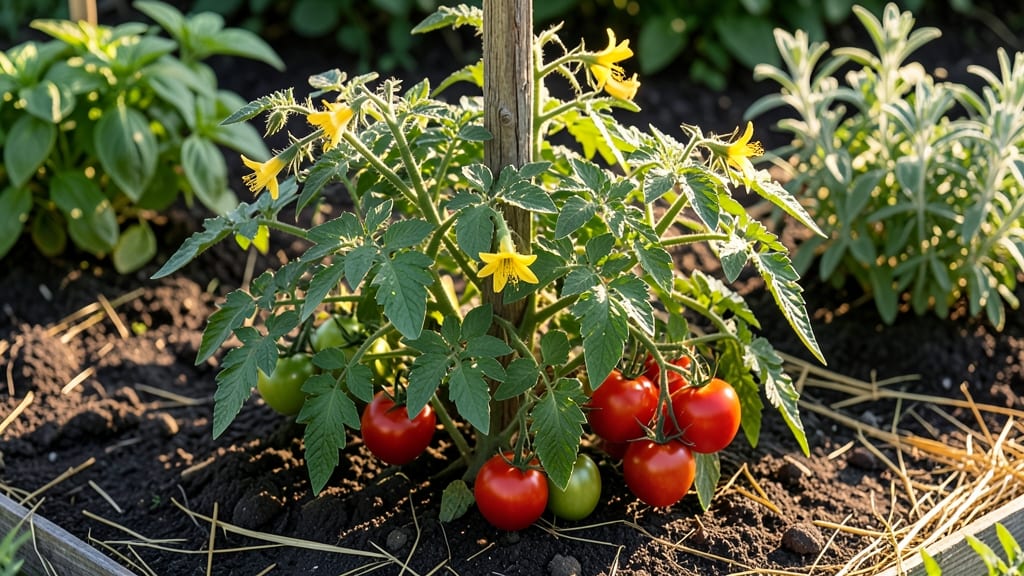
Growing the Tomato Big Daddy Hybrid means turning your garden into a 10-pound tomato factory in just 80 days—and I’ve grown enough to know it’s worth the effort. 🌱 This beefsteak monster isn’t your average tomato; it’s a hybrid powerhouse that rewards patience with massive, flavorful fruits that make neighbors ask, "What’s your secret?" The key to unlocking its potential starts with rich, well-draining soil (think compost-heavy mix) and full sun—at least 8 hours daily.
Big Daddies are heavy feeders, so side-dress with fertilizer mid-season when you see those first blossoms. Water consistently at the base (never overhead) to prevent cracking, and stake or cage them early—they get top-heavy fast. By mid-summer, you’ll be harvesting golf-ball-sized tomatoes that keep producing until frost.
Prune aggressively to focus energy on fruit, and watch as vines stretch toward the sky, each branch heavy with ripening gold. The payoff? A single plant can outyield three average tomatoes—and the taste? Restaurant-quality sweetness that disappears in seconds.
This hybrid thrives in zones 4-10, but container growers take note: 5-gallon pots work if you’re in a small space. Just be ready for the weight—these tomatoes need support, and your arms will thank you when you’re not wrestling with snapped stems.
Let’s get growing!
📚 In This Guide
- What you need
- Instructions
- Tips and common mistakes
- Wrapping up and next steps
What you need
- ● Seeds or Seedlings: 3–5 Tomato Big Daddy Hybrid seeds (or seedlings) per plant. If starting from seed, ensure they’re fresh (within 1–2 years).
- ● Containers or Garden Bed: Containers: 5-gallon pots or larger (minimum 18" diameter) with drainage holes. 3–5 plants per container if space is limited.
- ● Garden Bed: Well-draining soil in a sunny spot (6+ hours of sunlight daily). Space plants 3–4 feet apart for optimal air circulation.
- ● High-Quality Potting Mix: 1–2 bags of sterile, organic potting mix (avoid garden soil—it compacts and harbors diseases). Add perlite or vermiculite (20–30%) for aeration.
- ● Fertilizer: Starter Fertilizer: Balanced liquid fertilizer (e.g., 5-5-5 or 10-10-10) or compost tea for seedlings.
- ● Growth Fertilizer: Tomato-specific fertilizer (high in phosphorus and potassium, e.g., 7-9-5) or organic options like worm castings or fish emulsion.
- ● Support System: Cages or Stakes: 6–8 ft tall tomato cages or sturdy wooden stakes (2x2 inches) with garden twine.
- ○ Trellis (Optional but Recommended):strong> For indeterminate growth, use a strong trellis or A-frame to support heavy fruit.
- ● Mulch: Straw, shredded leaves, or black plastic mulch to retain moisture and suppress weeds.
- ● Watering Tools: Drip irrigation system or a watering can with a rose attachment (to avoid wetting leaves).
- ○ Rain gauge (optional, for tracking watering needs).
- ● Hand Trowel or Transplant Spade: For planting and soil prep.
- ● Pruning Shears: Sharp, clean shears for trimming suckers and dead leaves.
- ● pH Testing Kit: To ensure soil pH is between 6.0–6.8 (tomatoes thrive in slightly acidic soil).
- ● Gloves & Sunscreen: Protect your hands and skin during outdoor work!
- ● Weather Check: Monitor frost dates in your zone—Big Daddy needs warmth (70°F+) to thrive.
- ● Mycorrhizal Fungi: Boosts root health and nutrient absorption.
- ● Row Covers: Protects seedlings from early frost or pests.
- ● Growth Regulator (e.g., Seaweed Extract): Can enhance fruit set in hot climates.
- ● Harvest Basket or Knife: A sharp knife makes harvesting those 10-pound beauties a breeze!
Step-by-step instructions for growing the tomato Big Daddy hybrid
Here's my battle-tested approach to coaxing those massive 10-pound tomatoes from a single plant—no fancy equipment needed.
🌱 Step 1: Start Seeds Early With Precision Warmth
Plant your Big Daddy seeds indoors 8-10 weeks before your last frost date—this hybrid thrives on long growing seasons. Use a seed-starting mix (not garden soil) in 2-3 inch deep cells, and sow seeds ¼ inch deep. The secret? Warmth. Place your seed tray on a seedling heat mat set to 75-85°F—this ensures 90% germination within 7-10 days.
Once sprouts emerge, remove the heat mat but keep the soil consistently warm. You'll notice the first true leaves (not the initial seed leaves) appear in 10-14 days. That's your cue to move seedlings under grow lights for 14-16 hours daily. Without this light discipline, stems grow leggy and weak—something Big Daddy can't recover from.
☀️ Step 2: Harden Off and Transplant for Maximum Strength
Two weeks before your last frost, begin hardening off seedlings by placing them outside in a sheltered spot for 1-2 hours daily. Gradually increase exposure over 10-14 days until they're out all day. Big Daddy's massive vines need full sun (8+ hours) and sturdy support—plant them 18-24 inches apart in a location with afternoon shade if your summers are scorching.
Transplant on a cloudy day or late afternoon to reduce shock. Bury stems ⅔ deep—this encourages root development along the buried stem. Water deeply at the base immediately after planting. You'll see new growth emerge from the buried stem within 7-10 days, signaling the plant is establishing itself.
🪴 Step 3: Support and Prune for Monster Growth
Big Daddy needs strong vertical support—install a 6-foot tall tomato cage or sturdy stakes immediately after transplanting. As vines grow, weave them through the cage or tie them to stakes with soft plant ties. This hybrid produces 10-pound fruits, so the structure must handle 20+ pounds per vine.
Prune aggressively to focus energy on fruit production. Remove suckers (the small shoots in the leaf axils) when they're 2-3 inches long. Keep only the first few suckers near the base to encourage bushiness, but pinch off the rest. You'll notice pruned plants develop thicker stems and larger leaves—signs of redirected energy toward fruit development.
💧 Step 4: Water and Feed for Record-Breaking Yields
Consistent moisture is critical—water deeply 1-2 times weekly, aiming for 1-2 inches of water per week. Big Daddy's massive roots demand steady hydration, but avoid overhead watering to prevent disease. Water at the base in the early morning so foliage dries quickly.
Feed with a balanced fertilizer (10-10-10) every 2-3 weeks once flowers appear. Switch to a low-nitrogen, high-phosphorus formula (5-10-10) when fruits set to boost sweetness. You'll see flowers appear in 4-6 weeks after transplanting—this is when you ramp up fertilization. Over-fertilizing now leads to excessive foliage at the expense of fruit.
✂️ Step 5: Harvest and Prune for Continuous Production
Harvest fruits when they're fully colored and slightly soft to the touch—this ensures peak flavor and prevents cracking. Big Daddy's massive fruits ripen unevenly, so check daily. Use pruning shears to cut stems ¼ inch above the fruit to avoid damaging the plant.
After harvest, prune any diseased or yellowing leaves immediately. Remove spent flowers to encourage new blooms. With proper care, Big Daddy produces 2-3 harvests per season. The key? Never let the plant go dormant—keep it well-watered and fed until your first frost. You'll know you've succeeded when neighbors ask how you grew tomatoes that big!
Tips & tricks for growing Big Daddy tomatoes
These battle-tested insights will help you avoid common pitfalls and maximize your 10-pound tomato harvests.
Seed Starting Warmth: The 75-85°F heat mat temperature is non-negotiable for Big Daddy seeds—cold soil slows germination and weakens seedlings. If you don't have a heat mat, place your seed tray on top of your refrigerator (not inside) for consistent warmth. I've seen germination rates drop to 50% when starting seeds in rooms below 70°F, so don't skip this step! The 10-14 day window for true leaves is also critical—waiting longer risks leggy stems that never recover.
Harden Off Gradually: That 10-14 day hardening schedule might seem long, but it's essential for Big Daddy's massive vines. Start with just 1-2 hours in sheltered spots to avoid sunburn, then increase exposure slowly. I once hardened off seedlings too quickly and lost two plants to shock—now I use a small shade cloth for the first few days. Watch for wilting as you increase exposure; that's your plant's way of saying "slow down."
Pruning Strategy: The 2-3 inch sucker size guideline prevents energy drain while keeping the plant bushy. I recommend using sharp pruning shears to make clean cuts—torn stems invite disease. For Big Daddy, focus pruning efforts on the lower third of the plant first, then move upward as the vine grows. This creates a sturdy framework that can support those 10-pound fruits without snapping.
Fertilizer Transition: Switching from 10-10-10 to 5-10-10 when fruits set is where flavor magic happens. The reduced nitrogen prevents leafy growth at the expense of fruit development. I've found that adding a handful of compost to the planting hole at transplant time gives Big Daddy a nutrient boost without overwhelming it. The 4-6 week window for flower appearance is also your cue to increase watering frequency to 1-2 times weekly.
Pro Tips for Tomato Big Daddy Hybrid
- These battle-tested insights will help you avoid common pitfalls and maximize your 10-pound tomato harvests.
- Seed Starting Warmth: The 75-85°F heat mat temperature is non-negotiable for Big Daddy seeds—cold soil slows germinat...
- Harden Off Gradually: That 10-14 day hardening schedule might seem long, but it's essential for Big Daddy's massive v...
Frequently asked questions
Got questions about growing Tomato Big Daddy Hybrid? You’re not alone! Whether you're a first-time gardener or a seasoned green thumb, these answers will help you crush your harvest. Let’s dive in:
How long does it take for Big Daddy tomatoes to mature?
The Big Daddy Hybrid is a fast grower, typically reaching maturity in 80–85 days from transplant. This makes it perfect for short-season climates or eager gardeners! Start seeds indoors 6–8 weeks before the last frost to ensure a timely harvest.
Can I grow Big Daddy tomatoes in cooler climates?
While they thrive in warm weather, you can still grow them in cooler areas by using black plastic mulch or row covers to warm the soil. Plant in a south-facing location and avoid transplanting until soil temps hit 55°F+. For extra protection, try a greenhouse or cold frame in early spring.
Why aren’t my Big Daddy tomatoes ripening?
If your tomatoes are staying green or failing to ripen, it’s often due to cool nights, lack of sunlight, or overwatering. Ensure they get 6–8 hours of direct sun daily and keep soil moist but not soggy. For a boost, pick green tomatoes and ripen them indoors in a paper bag with a banana (the ethylene gas helps!).
What’s the best way to support Big Daddy tomato plants?
These beefy plants need strong support—opt for a sturdy cage (5+ feet tall), stake, or trellis to handle their weight. Prune suckers regularly to improve airflow and fruit production. Avoid over-pruning, though, as Big Daddies can produce 10+ pounds of tomatoes per plant!
Are Big Daddy tomatoes good for canning or sauces?
Yes! Their meaty, low-seed flesh makes them ideal for slicing, grilling, and sauces. For canning, choose firm, mature tomatoes and process them using USDA-approved methods (like water bath or pressure canning). Their thick walls hold up well to cooking—perfect for homemade pasta sauce or salsa!
Wrapping up and next steps
The Tomato Big Daddy Hybrid isn’t just a tomato—it’s a game-changer for home gardeners eager to reap massive, juicy rewards in just 80 days! With the right care, you’ll enjoy 10-pound fruits that turn every meal into a showstopper.
Whether you’re a seasoned gardener or a curious beginner, this hybrid proves that big harvests start with smart planning and a little patience.
Ready to grow your next culinary masterpiece? Grab your seeds, prep your soil, and get planting—your future Big Daddy tomatoes are waiting! 🌱🍅