
How To
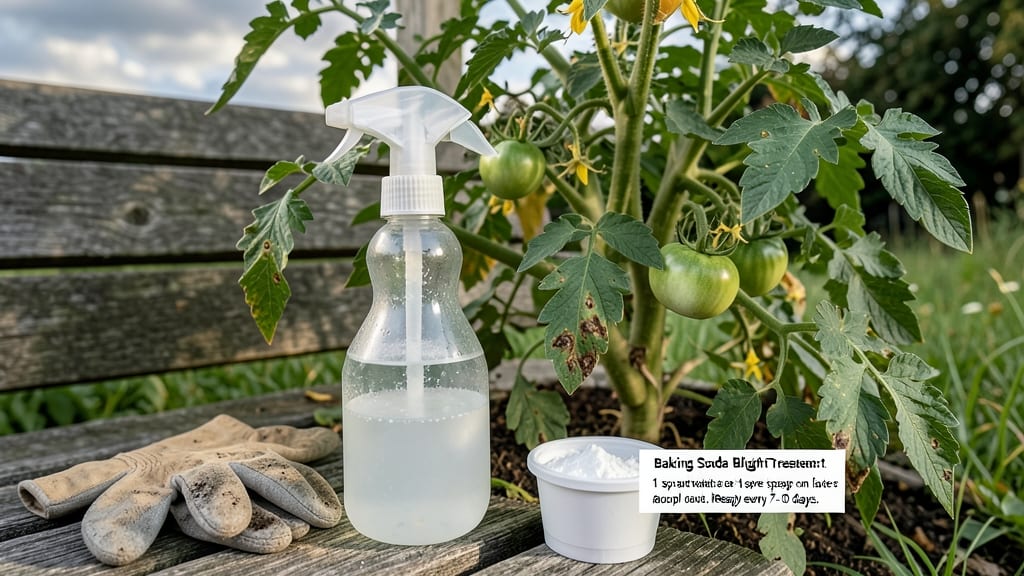
Your tomato plants' dark, greasy spots don’t have to mean game over—this tomato blight treatment using baking soda can stop blight in its tracks with just a quick 10-minute mix. 🌱 I’ve saved entire harvests using this simple, non-toxic spray when early blight started turning my leaves into a mess of brown splotches.
The key? Timing, concentration, and knowing exactly how to apply it without harming your plants.
The science is straightforward: baking soda raises the pH on leaf surfaces, creating an environment where fungal spores can’t survive. You’ll need 1 teaspoon of baking soda, 1 quart of water, and a drop of dish soap—that’s it.
Mix it up, spray it on (especially undersides of leaves), and repeat every 7-10 days during wet seasons. It’s not a cure-all, but it buys you time to remove infected leaves and improve airflow around your plants.
What you’ll get is slower-spreading blight, healthier foliage, and tomatoes that stay productive longer. The spray smells fresh, not chemical, and won’t harm pollinators if used at dawn or dusk.
For stubborn cases, pair it with neem oil or copper fungicide—but baking soda alone works fast when you catch the problem early.
Prevention is where this really shines: space plants properly, water at the base (not overhead), and remove diseased leaves immediately. If your plants are already half-dead or the spots keep spreading despite treatment, it’s time to call in a pro—some blight strains are aggressive enough to warrant stronger intervention.
But for most home gardens, this mix is your first line of defense.
Root Causes Of Tomato Blight
Tomato blight—especially the dreaded Phytophthora infestans (late blight) or Alternaria solani (early blight)—isn’t just a random plant enemy. It thrives because of specific environmental and biological triggers. Understanding these causes helps you prevent and treat blight before it ruins your harvest. Here’s why your tomatoes are falling victim:
Blight spores love damp conditions. When humidity stays above 75% for prolonged periods—or when water sits on leaves (from overhead watering or poor drainage)—the fungus gets the perfect breeding ground. Here’s the science:
- Spores germinate in 12–24 hours when leaves stay wet.
- Stomata (leaf pores) absorb water, creating an ideal entry point for fungal hyphae (root-like threads).
- Nighttime dew or morning fog can be just as damaging as heavy rain.
Actionable insight: If your garden is prone to humidity, water at the base early in the day and ensure airflow with proper spacing between plants.
Tomatoes need breathing room. When plants are packed too closely, leaves brush against each other, spreading spores like wildfire. Poor airflow also:
- Slows evaporation, keeping leaves damp longer.
- Traps heat and humidity near the canopy, creating a fungal paradise.
- Reduces UV exposure, which naturally inhibits some pathogens.
Pro tip: Prune suckers and thin vines to improve airflow. Use stakes or cages to elevate plants and reduce leaf-to-leaf contact.
Blight thrives in cool, wet conditions (60–75°F), but extreme temperature swings weaken tomato plants, making them more susceptible. Here’s how:
| Temperature Stress | How It Helps Blight |
|---|---|
| Sudden cold snaps (below 50°F) | Slows plant metabolism, reducing resistance to pathogens. |
| Heatwaves above 85°F | Causes water stress, making leaves more prone to infection. |
| Frequent day-night swings (>20°F difference) | Disrupts stomatal function, leaving plants vulnerable. |
Solution: Use mulch to stabilize soil temp, choose heat-tolerant varieties (like ‘Solar Fire’), and avoid planting in low-lying areas where cold air pools.
Healthy tomatoes fight off blight naturally. But when plants are stressed—from nutrient deficiencies, pests, or poor soil—their defenses crumble. Key vulnerabilities:
- Nitrogen deficiency: Leads to yellowing leaves, which blight exploits as entry points.
- Over-fertilizing with phosphorus/potassium: Can weaken cell walls, making them easier to penetrate.
- Pest damage (e.g., aphids, spider mites): Creates open wounds where spores latch on.
Fix it: Test soil pH (6.0–6.8 is ideal for tomatoes), rotate crops yearly, and use compost tea to boost natural immunity.
Blight spores can linger in soil for years and hitchhike on garden tools, pots, or even your shoes. Here’s how contamination spreads:
- Reused mulch/compost from infected plants.
- Shared tools (pruners, stakes) between healthy and blighted plants.
- Wind or water carrying spores from nearby infected gardens.
Prevention: Sterilize tools with rubbing alcohol, remove all plant debris at season’s end, and avoid planting tomatoes in the same spot for 3–4 years.
Quick Fixes for Blighted Tomatoes
Tomato blight doesn’t have to mean the end of your harvest—with the right approach, you can stop the spread, revive your plants, and even prevent future outbreaks.
Below, we’ll break down cause-specific solutions using baking soda and other natural methods, plus pro tips to keep your tomatoes thriving. Let’s get your garden back in shape!
Fix: Baking Soda Spray + Copper Fungicide Boost Early blight thrives in warm, humid conditions, but you can turn the tide with a simple spray.
- Mix the Baking Soda Solution 🧂
- 1 tsp baking soda
- 1 quart water
- 1 tbsp vegetable oil (helps it stick)
- 1 tsp dish soap (reduces surface tension)
- Optional: 1 tsp copper fungicide (for extra power)
- Stir well and spray undersides of leaves (where spores hide).
- Apply Every 7–10 Days ⏰
- Spray in the early morning or evening (avoid direct sun to prevent leaf burn).
- Remove severely infected leaves (toss them in the trash, not compost).
- Improve Airflow 🌬️
- Prune crowded branches to reduce humidity near leaves.
- Space plants 18–24 inches apart for better airflow.
💡 Pro Tip: If blight returns, switch to a copper-based spray (like Bordeaux mixture) for a stronger defense.
Fix: Emergency Baking Soda + Neem Oil Combo Late blight is aggressive and spreads via water splashes—act fast to contain it.
- Spray Immediately ⚡
- Use the same baking soda mix as above, but add 1 tbsp neem oil (natural antifungal).
- Focus on new growth and stems—late blight loves tender areas.
- Prune & Destroy ❌
- Cut off infected leaves/stems (don’t compost—bag and trash them).
- Water at the base (not overhead) to prevent spore spread.
- Boost Plant Immunity 🛡️
- Fertilize with compost tea (rich in beneficial microbes).
- Mulch with straw to keep soil moist (but not soggy).
🔥 Warning: If blight spreads to fruits or stems, consider removing the plant to save others.
Fix: Baking Soda + Hydrogen Peroxide Shock Treatment This fungal foe loves dry heat—but you can shock it away with a simple spray.
- Make the Super Spray 🧪
- 1 tsp baking soda
- 1 quart water
- 1 tbsp 3% hydrogen peroxide (fungicidal properties)
- 1 tsp soy milk (contains antifungal compounds—yes, really!)
- Shake well and spray both sides of leaves.
- Reapply Weekly 📅
- Powdery mildew returns fast, so stay consistent.
- Avoid wetting flowers (can encourage rot).
- Prevent Recurrence 🌿
- Space plants for airflow.
- Water deeply at the base (never overhead).
- Plant mildew-resistant varieties (like ‘Mountain Merit’ tomatoes).
✨ Bonus: Reflective mulch (aluminum foil or white plastic) reduces mildew by bouncing light away.
Once you’ve saved your plants, lock in long-term protection with these habits:
| Do This ✅ | Avoid This ❌ |
|---|---|
| Rotate crops (don’t plant tomatoes in the same spot yearly). | Overwatering (keep soil moist, not soggy). |
| Use mulch (straw or grass clippings to prevent soil splashes). | Planting too closely (crowding = humidity = blight). |
| Start with resistant seeds (look for ‘blight-resistant’ labels). | Ignoring early signs (act at the first brown spot!). |
| Clean tools (sterilize pruners with rubbing alcohol between plants). | Composting infected plants (spores survive!). |
Final Thought: Baking soda is your first line of defense, but prevention is the real win. With these steps, your tomatoes will stay healthy, productive, and blight-free—no more sad, spotted harvests! 🚀🍅
Frequently asked questions
How often should I spray baking soda on my tomato plants?
Apply the baking soda spray every 7-10 days during wet seasons or when you first notice blight symptoms. For active outbreaks, spray weekly until the problem clears. Always use it in the early morning or evening to prevent leaf burn from sunlight.
Can I use baking soda if my tomatoes already have large blight spots?
Baking soda works best as a preventative measure, but it can still help slow spread. For severe cases, combine it with neem oil or copper fungicide and remove all infected leaves immediately. If more than 50% of leaves are affected, consider removing the plant to save others.
Will baking soda harm my tomato plants or beneficial insects?
When used correctly, the baking soda solution is plant-safe and won't harm beneficial insects like bees or ladybugs. The key is proper dilution (1 tsp per quart of water) and avoiding direct sunlight after spraying. For extra safety, apply only in the early morning or late evening when pollinators are least active.
What's the difference between early and late blight - will baking soda work for both?
Early blight (brown spots with yellow halos) and late blight (greasy dark spots) both respond to baking soda, but late blight spreads faster. For late blight, add 1 tbsp neem oil to your baking soda mix and remove infected foliage immediately. Early blight responds better to copper fungicide if baking soda alone doesn't stop it.
Can I make a stronger baking soda solution for faster results?
Never exceed 1 tsp per quart of water—higher concentrations can burn leaves. For stronger protection, add 1 tbsp vegetable oil (helps it stick) or 1 tsp hydrogen peroxide (natural antifungal). The baking soda's effectiveness comes from its alkaline pH, not concentration, so stick to the proven ratio.