
Blooming
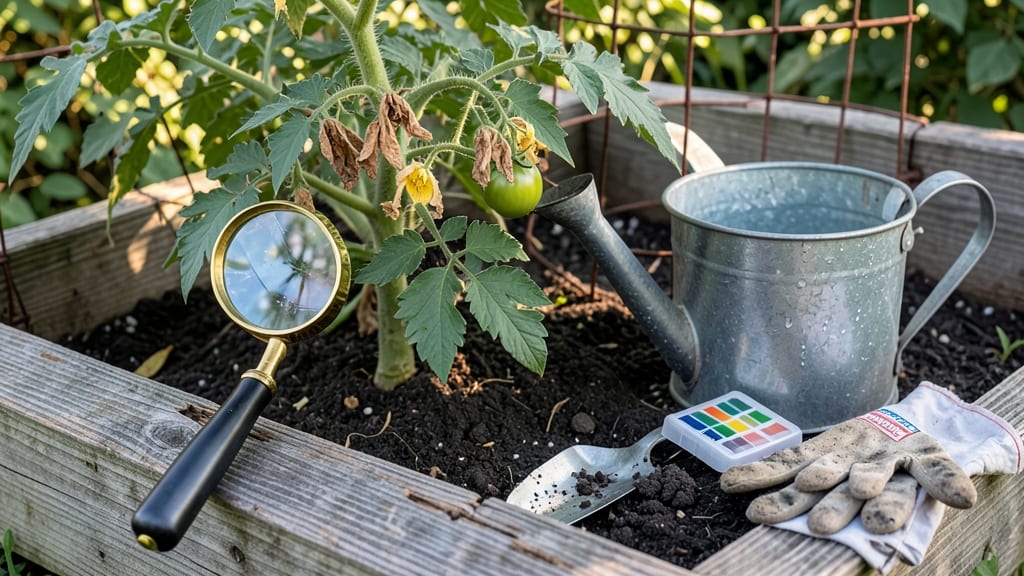
Tomato blossoms turning brown can feel like a death sentence for your harvest—until you know the real cause. 🌱 I’ve watched my own plants go from vibrant blooms to crispy brown messes, and I’ll show you exactly how to diagnose and fix it before it ruins your season.
The most common culprits are environmental stress (like sudden temperature swings or dry soil) or nutrient imbalances (especially calcium or boron deficiencies). Fungal infections or pests can also sneak in, but the good news is that each problem has a targeted fix—no mystery gardening required.
By the end of this, you’ll know whether your plants need a watering adjustment, a foliar spray, or just a little extra shade. The key is acting fast—once those brown blossoms drop, you lose the chance for fruit at that node.
We’ll cover the 3-step fix, plus how to prevent it next season so you can enjoy tomatoes from first bloom to ripe red. No more wasted energy or heartbreak—just productive plants.
Root Causes Behind Wilted Blooms
When your tomato blossoms turn brown and drop off before fruiting, it’s often a sign of stress or environmental mismanagement. Understanding the why behind this issue is the first step toward reviving your plants.
Below, we break down the most common culprits—each with a clear scientific explanation and actionable insights to help you diagnose the problem accurately.
Tomatoes thrive in warm but stable temperatures. When daytime highs exceed 90°F (32°C) or nights dip below 55°F (13°C), blossoms can abort prematurely, turning brown and falling off. This phenomenon is called blossom drop and is triggered by:
- Enzyme disruption: High heat accelerates the breakdown of auxin (a plant hormone critical for fruit development), while cold temperatures slow pollen tube growth, preventing fertilization.
- Respiratory stress: Extreme heat forces plants to expend energy on cooling (via transpiration), leaving little for reproductive processes.
- Pollination failure: Bees and other pollinators become less active in heatwaves, reducing successful fertilization.
💡 Pro Tip: Use shade cloth (30–50% coverage) during peak afternoon sun, and mulch heavily to regulate soil temperature. For nighttime chills, consider row covers or a small greenhouse.
Water stress—whether from drought or overwatering—disrupts the delicate balance tomato plants need to set fruit. Brown, crinkled blossoms often signal:
- Drought stress: Inconsistent watering causes ethylene production, a hormone that triggers blossom drop. Roots struggle to absorb nutrients, and the plant prioritizes survival over reproduction.
- Overwatering: Soggy soil cuts off oxygen to roots, leading to anaerobic conditions that weaken the plant. Poor root health = fewer resources for blossoms to mature.
- Inconsistent moisture: Fluctuating soil moisture confuses the plant’s hormonal signals, causing premature abscission (the natural shedding of blossoms).
✨ Actionable Fix:
- Water deeply 1–2 times per week (depending on climate), aiming for 1–1.5 inches of water per session. Use drip irrigation or soaker hoses to deliver moisture directly to roots.
- Avoid wetting foliage to prevent fungal diseases (like early blight) that further stress the plant.
- Mulch with straw or wood chips to retain moisture and stabilize soil temperature.
Tomatoes are heavy feeders, and a lack of key nutrients can lead to blossom browning and drop. The most critical deficiencies include:
| Nutrient | Symptoms | Why It Happens | Quick Fix |
|---|---|---|---|
| Calcium (Ca) | Blossom end rot before fruit sets; brown, leathery blossoms. | Calcium is immobile in plants—if roots can’t absorb enough (often due to high nitrogen or poor soil pH), new growth suffers. | Apply calcium nitrate or crushed eggshells. Ensure soil pH is 6.0–6.8. |
| Boron (B) | Brown, cracked blossoms; poor pollen tube development. | Boron is essential for cell wall formation and pollen viability. Deficiencies are common in sandy or acidic soils. | Use borax (1 tbsp per gallon of water, applied foliarly) or a balanced fertilizer with boron. |
| Phosphorus (P) | Stunted blossoms; dark, purplish stems (early sign). | Phosphorus fuels energy transfer for flowering and fruiting. Over-fertilizing with nitrogen can lock it out. | Switch to a 5-10-10 or 3-4-6 fertilizer (higher phosphorus) and avoid excessive nitrogen. |
💡 Pro Tip: Conduct a soil test to identify specific deficiencies. Organic options like bone meal (for phosphorus) or kelp meal (for micronutrients) can also help.
Even healthy blossoms can turn brown and drop if they’re not properly pollinated. Common causes include:
- Lack of pollinators: Bees, butterflies, and hummingbirds are the primary pollinators for tomatoes. Pesticide use, urbanization, or early/late planting can reduce their visits.
- Self-pollination failure: Some tomato varieties (especially indeterminate types) rely on wind or vibration to shake pollen loose. Stagnant air (e.g., in greenhouses) or overly large blossoms can hinder this process.
- Blossom drop from stress: Even if pollinated, extreme heat or drought can cause fertilized blossoms to abort within days.
👨🍳 DIY Pollination:
- Gently shake the plant in the morning when blossoms are open (this mimics wind pollination).
- Use a soft paintbrush to transfer pollen between blossoms.
- Attract pollinators by planting bee-friendly flowers (like marigolds or basil) nearby and avoiding neonicotinoid pesticides.
Pathogens like Fusarium wilt, early blight, or bacterial spot can cause blossoms to blacken, brown, and drop prematurely. Look for these red flags:
- Fungal spores: Brown, target-like lesions on leaves (early blight) or yellowing lower leaves (Fusarium wilt) signal systemic infection.
- Bacterial ooze: Tiny, water-soaked spots on blossoms that turn brown and ooze yellow bacteria (common in humid conditions).
- Root rot: Overwatered or poorly drained soil fosters Phytophthora, causing roots to rot and starving the plant.
🔥 Prevention & Treatment:
- Remove and destroy infected plant debris immediately.
- Apply copper fungicide or baking soda spray (1 tbsp baking soda + 1 quart water + a drop of dish soap) for bacterial issues.
- Improve airflow with pruning and spacing (18–24 inches between plants).
- Use resistant varieties (e.g., ‘Mountain Merit’ for blight resistance).
Reviving Your Tomatoes Step by Step
If your tomato blossoms are turning brown, don’t panic—there’s a solution for every cause! Below are practical, easy-to-follow fixes tailored to the most common reasons behind this issue, along with tips to keep your plants thriving. Let’s get those blossoms blooming again!
If your plants are wilting under too much heat or direct sun, their blossoms may turn brown as a stress response.
- 🌿 Relocate or shade your plants: Move containers to a spot with morning sun and afternoon shade, or use a lightweight shade cloth (30-50% coverage) if growing outdoors in extreme heat.
- 💧 Increase watering frequency: Water deeply in the morning to keep soil moist (but not soggy) and reduce heat stress. Aim for 1-2 inches of water per week, depending on your climate.
- 🌱 Mulch the base: Apply 2-3 inches of organic mulch (straw, grass clippings, or wood chips) to retain moisture and cool the roots.
💡 Pro Tip: Avoid wetting leaves during watering—this can cause fungal issues. Water at the base instead.
Brown, leathery blossoms or fruit spots? Your tomatoes might be starving for calcium, a key nutrient for cell wall strength.
- 🥛 Apply calcium-rich amendments:
- Mix 1 tablespoon of crushed eggshells or oyster shell powder into the soil per plant.
- Use a balanced fertilizer with calcium (like 10-10-10 or a tomato-specific feed with added calcium).
- 💧 Water consistently: Fluctuating moisture levels prevent calcium uptake. Keep soil evenly damp, especially during fruiting.
- 🌱 Side-dress with compost: Work in well-aged compost around the base of the plant to improve nutrient availability.
✨ Quick Fix: Spray a 1% calcium nitrate solution (1 tbsp per gallon of water) on leaves every 2 weeks for faster results.
Too much or too little water can stress tomato plants, leading to brown, dropping blossoms.
- 🔥 Check soil moisture: Stick your finger 1-2 inches into the soil. If it’s dry, water deeply; if soggy, hold off until it dries slightly at the surface.
- 🥘 Water at the roots: Avoid overhead watering, which can wash away blossoms or encourage disease. Use drip irrigation or a soaker hose for targeted hydration.
- ⏰ Stick to a schedule: Water in the early morning (6-8 AM) to allow foliage to dry before evening, reducing fungal risks.
🌡️ Temperature Check: If nights are below 55°F (13°C), blossoms may drop due to cold stress. Use row covers or move potted plants to a sheltered spot.
Pests like aphids or fungal infections (e.g., early blight) can cause brown, crinkled, or spotted blossoms.
- 🐜 Inspect leaves and stems: Look for chewed edges, sticky residue (honeydew), or dark spots. Common culprits include:
- Aphids: Spray with soapy water (1 tsp mild soap per quart of water).
- Whiteflies: Use yellow sticky traps or neem oil.
- Fungal spots: Remove affected leaves and apply copper fungicide or a baking soda spray (1 tsp baking soda + 1 quart water + a drop of soap).
- 🌱 Improve airflow: Prune crowded foliage to reduce humidity and prevent fungal spread. Space plants 18-24 inches apart.
- 🛡️ Rotate crops: Avoid planting tomatoes in the same spot yearly to break disease cycles.
🎯 Prevention Tip: Start the season with disease-resistant varieties (e.g., ‘Celebrity,’ ‘Mountain Merit,’ or ‘Roma’).
Poor pollination can cause blossoms to drop or turn brown before setting fruit, especially in greenhouses or rainy weather.
- 🐝 Hand-pollinate indoors: Gently shake plants or use a small paintbrush to transfer pollen from one blossom to another.
- 🌼 Attract pollinators outdoors:
- Plant bee-friendly flowers (like marigolds, basil, or borage) nearby.
- Avoid pesticides that harm bees.
- 🌡️ Ensure ideal temps: Pollination slows below 55°F (13°C) or above 90°F (32°C). Use shade cloth or row covers if needed.
💡 Quick Hack: A fan on low speed near plants can improve air circulation and mimic wind pollination.
With these fixes, your tomato plants should bounce back in no time! Monitor progress and adjust care as needed—your garden (and future sauces) will thank you. 🍅🌱
Frequently asked questions
Why do my tomato blossoms turn brown so quickly after appearing?
This is usually a stress response from temperature extremes or nutrient deficiencies. Tomatoes need stable temps between 55-90°F (13-32°C)—hotter or colder triggers hormone imbalances that cause blossoms to abort. Check for calcium or boron deficiencies too, as these are common culprits for rapid browning.
Can I still get tomatoes if my blossoms are already turning brown?
Yes! Any blossoms that haven't browned yet may still set fruit. Focus on the lower nodes (closest to the soil) where blossoms are just opening—they're less likely to drop. Remove all browned blossoms to redirect the plant's energy to healthier growth. Existing fruit will continue ripening.
Is it too late to fix my tomato plants if blossoms are already dropping?
Not at all! While you can't revive lost blossoms, you can absolutely prevent further drop. Focus on consistent watering (1-2 inches per week), shade cloth for heat stress, and nutrient amendments (like crushed eggshells for calcium). The plant will produce new blossoms within 2-3 weeks if conditions improve.
How can I tell if my tomato blossoms are dying from heat or disease?
Heat stress causes uniform browning across multiple blossoms, often with no other plant symptoms. Disease (like early blight) shows dark spots or lesions on leaves first, followed by brown, crinkled blossoms. Check the undersides of leaves for fungal spores or bacterial ooze to confirm.
Will pruning help stop my tomato blossoms from turning brown?
Pruning can help reduce stress by improving airflow and redirecting energy. Remove suckers (side shoots) and any yellowing leaves to focus the plant's resources on remaining blossoms. Just avoid heavy pruning during flowering—stick to 10-20% of foliage removal at most.