
How To
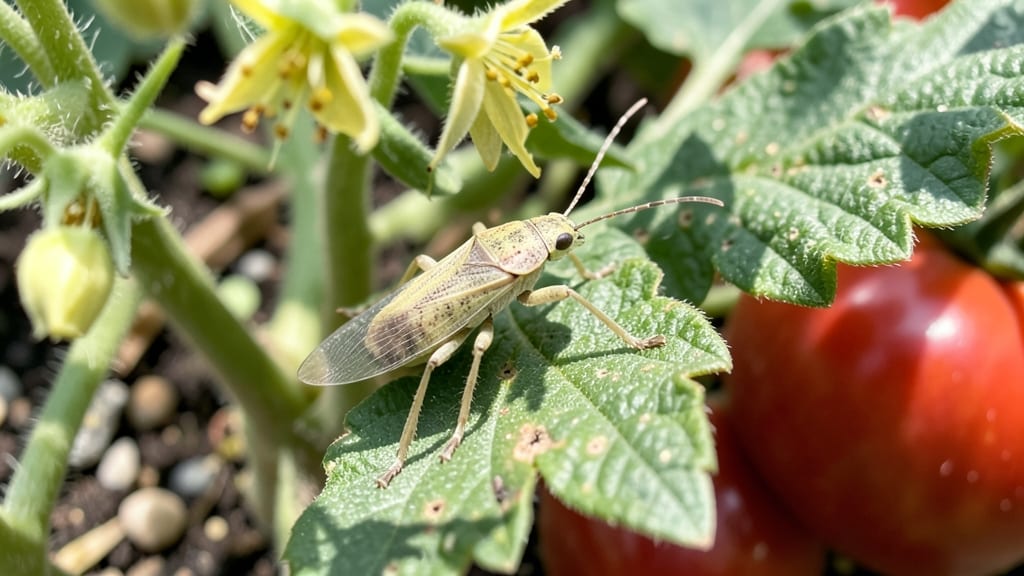
Seeing tiny holes in your tomato leaves? 🌱 These tomato bug images will help you spot the culprits fast—aphids, hornworms, and spider mites—and show you exactly how to stop them before they ruin your harvest.
Each pest leaves telltale damage: aphids cluster on new growth, hornworms skeletonize leaves overnight, and spider mites create fine webbing. My first year, I lost half my tomatoes to hornworms before I learned to check the undersides of leaves daily.
With these quick fixes, you’ll protect your plants in minutes: blast aphids with water, handpick hornworms, or spray neem oil for mites. The key is acting fast—once they spread, your tomatoes won’t stand a chance.
Works for backyard gardens, containers, or even balcony setups. Here’s how to turn those bugs into a one-time annoyance instead of a season-ending disaster.
Root Causes of Tomato Bug Infestations
Understanding why pests target your tomato plants is the first step to protecting your harvest. These bugs don’t just appear randomly—they’re drawn by specific conditions in your garden. Let’s break down the key reasons your tomatoes are becoming a buffet for unwanted visitors, backed by science and actionable insights.
Tomato plants under stress are like neon signs for pests. When plants are crowded, nutrient-deficient, or waterlogged, their natural defenses weaken, making them easier targets for bugs like aphids, hornworms, and spider mites.
- Why it happens: - Poor air circulation traps moisture, creating a humid microclimate that attracts fungal pests and their insect allies. - Nutrient deficiencies (especially nitrogen or potassium) make plants less resilient.
Bugs detect these weaknesses through volatile organic compounds (VOCs) emitted by stressed foliage. - Root damage (from overwatering or compacted soil) reduces the plant’s ability to fight off invaders.
- What to do:
- Space tomato plants 18–24 inches apart for airflow.
- Test soil pH and amend with compost to ensure balanced nutrients.
- Avoid wetting leaves when watering—water at the base to prevent fungal growth.
Tomatoes aren’t just food for humans—they’re a magnet for bugs because of their sugary nectar, fragrant flowers, and ripe fruit. Pests like fruit flies, stink bugs, and tomato hornworms are drawn to these natural attractants.
- Why it happens:
- Flower nectar is a protein-rich snack for aphids and whiteflies.
- Ripe tomatoes emit ethylene gas, signaling pests that it’s time to feed (and lay eggs).
- Damaged leaves release green leaf volatiles (GLVs), which attract predators like parasitic wasps—but also generalist pests.
- What to do:
- Prune suckers and lower leaves to reduce hiding spots and limit nectar access.
- Use yellow sticky traps near plants to catch nectar-loving flies.
- Harvest tomatoes promptly—don’t let them overripe on the vine.
A balanced garden ecosystem keeps pest populations in check. But if your soil lacks beneficial microbes, insects, or birds, tomato bugs thrive unchecked.
- Why it happens:
- Pesticide use (even organic sprays) can kill ladybugs, lacewings, and parasitic wasps, which prey on aphids and caterpillars.
- Monoculture gardening (planting only tomatoes) removes biodiversity, leaving no food for predator species.
- Compacted or chemical-heavy soil reduces earthworms and fungi that support a healthy microbial food web.
- What to do:
- Plant companion flowers like marigolds, basil, or dill to attract predatory insects.
- Avoid broad-spectrum sprays—opt for neem oil or insecticidal soap as last resorts.
- Add mulch (straw or grass clippings) to encourage ground-dwelling predators like ground beetles.
Pests are opportunistic—they strike when conditions are perfect for them, not always for your tomatoes.
- Why it happens:
- Hot, dry weather stresses plants, making them more vulnerable to spider mites and whiteflies.
- Warm nights speed up the life cycle of tomato hornworms, allowing them to devour more foliage.
- Excess rain creates soggy soil, inviting cutworms and slugs to feast on young plants.
- What to do:
- Use shade cloth in peak summer to reduce heat stress.
- Drip irrigation keeps soil moist without wetting leaves (a spider mite deterrent).
- Set up beer traps for slugs or diatomaceous earth for cutworms in damp conditions.
Sometimes, well-meaning gardening practices accidentally attract pests. For example, over-fertilizing with nitrogen can boost leafy growth—but also aphid populations.
- Why it happens:
- Using untreated wood or mulch can harbor egg-laying pests like stink bugs.
- Ignoring weeds leaves alternative hosts for pests (e.g., nightshade weeds attract Colorado potato beetles).
- Storing tools or pots near plants can transfer eggs or larvae from one season to the next.
- What to do:
- Sterilize garden tools with a 10% bleach solution between uses.
- Remove weeds regularly, especially in the Solanaceae family (tomatoes, potatoes, peppers).
- Rotate crops yearly to disrupt pest life cycles.
Many tomato pests hitchhike into your garden on plants, soil, or even wind. If you’re buying seedlings or compost, you might be unknowingly introducing bugs.
- Why it happens:
- Infested seedlings can carry whiteflies, thrips, or fungal diseases like early blight.
- Wild birds or rodents may drop tomato fruitworm eggs near your plants.
- Wind-blown debris from neighboring farms can introduce Colorado potato beetles.
- What to do:
- Inspect seedlings before planting—look for sticky residue (honeydew), tiny eggs, or chewed leaves.
- Quarantine new plants for 1–2 weeks before introducing them to your garden.
- Install row covers early in the season to block flying pests.
Tomato bugs don’t target your plants randomly—they’re responding to stress signals, food availability, and environmental cues. By addressing these root causes, you’ll make your garden less appealing to pests and more resilient to attacks.
The next step? Identifying the specific bugs in your garden so you can tailor your defense strategy. 🚀
Quick Fixes for Tomato Pests
Got unwanted visitors feasting on your tomatoes? 🍅🐛 Don’t panic—here’s how to tackle the most common tomato bugs with targeted solutions. Below, we’ll match the cause to the fix, plus share prevention tips to keep your garden thriving.
Cause: These green caterpillars with white stripes can devour a tomato plant overnight.
Fix: 🔥 Handpick & Squish – Check leaves daily (especially in the morning). Drop them in soapy water to avoid attracting predators. 🍳 Neem Oil Spray – Mix 1 tbsp neem oil + 1 tsp mild soap in 1 quart of water. Spray undersides of leaves where hornworms hide. 👨🍳 Introduce Beneficial Insects – Ladybugs and parasitic wasps love hornworms. Buy them online or attract them with native plants like dill or fennel.
Prevention Tip: 💡 Plant basil near tomatoes—its scent repels hornworms!
Cause: These microscopic pests suck plant juices, causing yellowing leaves and webbing.
Fix: 🌡️ Blast Them Off – Use a strong spray of water (early morning) to dislodge mites. ✨ Insecticidal Soap – Spray a solution of 1 tbsp castile soap + 1 quart water on infested areas. 🎯 Encourage Predators – Release predatory mites or lacewings (available at garden centers).
Prevention Tip: 🔥 Mulch with straw to retain moisture—mites thrive in dry conditions!
Cause: These pale, looped caterpillars chew tomato stems at ground level, toppling plants.
Fix: 🔪 Collar Barriers – Wrap the stem with cardboard or foil collars (bury 1 inch deep) to block cutworms. 🥘 Beer Trap – Bury a shallow dish filled with beer near plants. Cutworms are attracted and drown. ⏰ Night Patrol – Shine a flashlight at dusk to spot and remove them manually.
Prevention Tip: 💡 Avoid overwatering—cutworms love damp soil!
Cause: These small, white flying insects cluster on undersides of leaves, leaving a sticky residue (honeydew).
Fix: 🍳 Yellow Sticky Traps – Hang traps near plants to catch adults. 🌿 Neem Oil or Horticultural Oil – Spray undersides of leaves to suffocate eggs and adults. 🔥 Reflective Mulch – Cover soil with aluminum foil or reflective plastic to disorient them.
Prevention Tip: 🌡️ Keep plants healthy—stressed tomatoes attract more pests!
Pro Tip: 💡 Rotate solutions to prevent resistance. Combine manual removal with natural sprays for best results!
Need visual help? Check out our [tomato bug identification guide] for side-by-side comparisons of these pests. 📸🔍
Frequently asked questions
How do I tell the difference between tomato hornworms and sphinx moth caterpillars?
Tomato hornworms have white diagonal stripes and a horn-like projection at their rear, while sphinx moth caterpillars (like the five-spotted hawkmoth) have yellow and black markings and lack the horn. Both eat tomatoes, but hornworms are more aggressive. Check leaf damage patterns too—hornworms leave large, irregular holes while sphinx moth caterpillars create neat, elongated cuts.
Why do my tomato bug images keep showing up even after treatment?
Pests often return because their eggs survive or new ones arrive from nearby plants. For example, hornworm eggs hatch every 3-4 days, so you may need to treat every 5 days for 2 weeks to break their life cycle. Also check for hidden eggs on leaf undersides—use a magnifying glass or flashlight to spot them.
Can I use the same spray for all tomato bugs?
No—different bugs need different approaches. Neem oil works for hornworms and aphids but won't stop cutworms. For spider mites, insecticidal soap is better, while yellow sticky traps catch flying pests like whiteflies. Always match the treatment to the specific bug you're dealing with—check our identification guide first!
How do I know if my tomato plant is already too damaged to save?
If more than 50% of leaves are skeletonized (just veins remain) or the plant has multiple large holes in fruit, it may not recover. However, if only new growth is affected, prune the damaged parts and focus on protecting remaining leaves. For severe cases, consider replacing the plant and treating the soil to prevent reinfestation.
Are there any tomato bugs that actually help my plants?
Yes! Ladybugs, lacewings, and parasitic wasps prey on aphids and hornworms. You can attract them by planting dill, fennel, or marigolds nearby. Even ground beetles (those shiny black bugs) eat cutworm eggs. Avoid pesticides that harm these beneficial insects—your garden's natural pest control army!