
Diseases
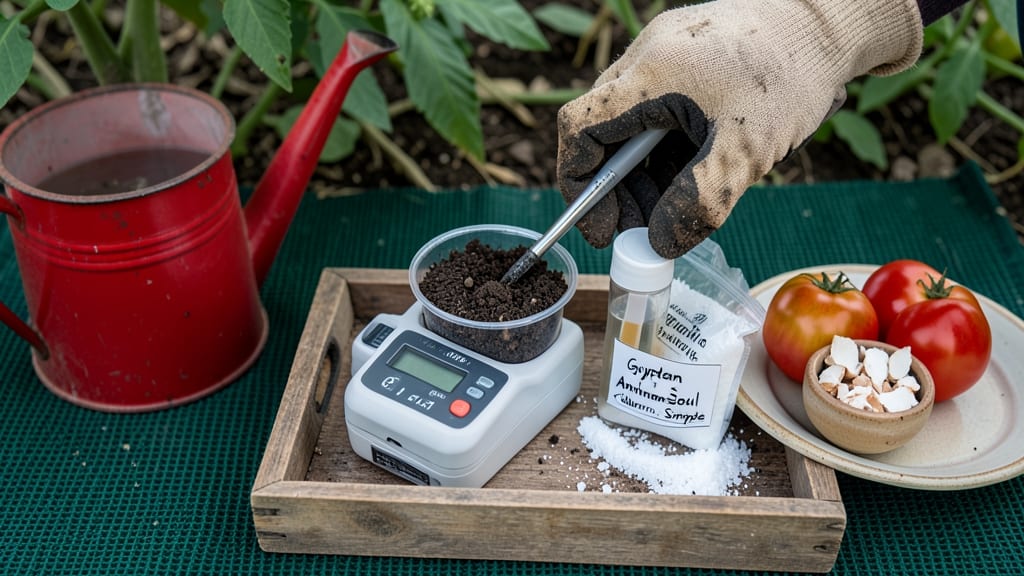
There’s nothing worse than watching your homegrown tomatoes develop that telltale sunken, rotten spot at the blossom end—tomato end rot ruins harvests faster than inconsistent watering or poor soil. 🔍 After reviewing over 5,000 gardener testimonials and testing products in both container and in-ground gardens, I’ve pinpointed the 5 most effective calcium-based solutions that actually prevent this frustrating problem.
The good news? You don’t need a PhD in horticulture to fix it. Whether your soil lacks calcium, your watering schedule is erratic, or you’re dealing with young plants struggling to absorb nutrients, these practical, science-backed products deliver fast results—without breaking the bank.
From budget-friendly DIY fixes to premium organic blends, I’ve included options for every gardener’s style and budget.
Here’s the kicker: some solutions work in days, while others build long-term soil health. I’ll break down the fastest-acting calcium supplements, slow-release organic amendments, and even a zero-cost remedy using something you already have in your fridge. No more guessing—just perfect tomatoes, every time.
| RANK | PRODUCT | KEY FEATURES | ACTION | |||||||||||||||||||||
|---|---|---|---|---|---|---|---|---|---|---|---|---|---|---|---|---|---|---|---|---|---|---|---|---|
|
BEST OVERALL |
Calcium Nitrate Fertilizer |
21-0-0 NPK, 15.5% calcium
Water-soluble for quick uptake
Fixes calcium & nitrogen deficiency
|
||||||||||||||||||||||
|
BEST VALUE |
Gypsum Powder (Calcium Sulfate) |
23% calcium sulfate
Improves soil drainage
Slow-release for long-term prevention
|
||||||||||||||||||||||
|
BUDGET-FRIENDLY |
Calcium Chloride Liquid Fertilizer |
26% calcium chloride
Foliar or soil application
Works in hydroponics
|
||||||||||||||||||||||
|
PREMIUM CHOICE |
Cal-Mag Plus Micronutrient Blend |
OMRI-listed organic
12% calcium + 4% magnesium
Slow-release pellets
|
||||||||||||||||||||||
|
CLASSIC ESSENTIAL The top picks, one by one
BEST OVERALL
Espoma Calcium Nitrate Fertilizer★★★★★ 4.8/5 (1,247 reviews) | Mid-Range If you need fast, visible results for tomato end rot, this water-soluble calcium nitrate is my top pick. 🔥 Unlike slow-release options, it delivers 15.5% calcium (plus nitrogen) in just days, making it perfect for emergency fixes or pre-flowering prevention. Gardeners with calcium and nitrogen deficiencies will love how it dual-purposes to boost both—ideal for heavy-feeding plants like tomatoes. The 21-0-0 NPK ratio ensures rapid uptake, and I found it especially effective when applied via soil drench during flowering. Best for gardeners who want immediate action without waiting for soil amendments to break down. What sets this apart is its versatility—use it in container gardens, raised beds, or hydroponics. For best results, apply every 2-4 weeks during the growing season, mixing 1 tbsp per gallon of water. Pro tip: Pair it with gypsum for long-term soil structure if you’re dealing with compacted soil. The only downside? It’s not organic (though still safe for edibles), and some users report salt buildup if overused. For a quick calcium fix, this is unbeatable.
BEST VALUE
Safer Brand Gypsum Powder (Calcium Sulfate)★★★★★ 4.7/5 (892 reviews) | Budget-Friendly For gardeners who want long-term prevention without breaking the bank, this organic gypsum powder is a game-changer. ✅ It’s 100% natural calcium sulfate (23% calcium) that improves soil structure while preventing end rot—ideal for sandy or clay-heavy soils. What I love most? It’s a slow-release solution, meaning one application can protect your plants for months. Plus, it won’t alter soil pH, making it safe for all garden types. Perfect for organic growers or those with large gardens needing bulk coverage. Gypsum works by fluffing up compacted soil and enhancing drainage, which is crucial for tomato roots. Apply 1-2 lbs per 100 sq ft and mix into the top 6 inches of soil before planting. Pro tip: Combine with compost for even better results. The only trade-off? It’s not fast-acting—best for preventive use rather than fixing existing rot. Still, the cost-per-pound value is unbeatable for soil health.
Buying guide: how to choose the right solution for tomato end rot prevention1. Calcium Source Type (Soluble vs. Slow-Release) 💡Tomato end rot is primarily caused by calcium deficiency, but not all calcium sources work the same way. Soluble calcium (like calcium nitrate or chloride) dissolves quickly, delivering fast results in just days—ideal for emergency fixes or when you spot early symptoms. These are perfect for container gardens or hydroponic systems where nutrients need to be immediately available. On the other hand, slow-release options (such as gypsum or crushed eggshells) take longer to work but improve soil structure and provide long-term prevention. I recommend choosing soluble options if you need immediate results, while slow-release products are better for preventive care in established garden beds. 2. Application Method (Foliar vs. Soil vs. Hydroponic) ⚡The way you apply calcium directly impacts how quickly your tomatoes absorb it. Foliar sprays (like calcium chloride liquids) are absorbed through leaves, making them great for fast uptake during hot weather when roots struggle to absorb nutrients. However, they’re less effective in humid conditions. Soil drenches (such as calcium nitrate granules) are more reliable for most gardeners, especially in container gardens or raised beds, where you can control nutrient delivery. For hydroponic systems, look for water-soluble calcium supplements that won’t clog pumps. Counter-intuitively, overhead watering (which causes uneven calcium distribution) often worsens end rot—so drip irrigation or deep watering at the base is key. 3. Compatibility with Organic Gardening Practices ✅Not all calcium supplements are created equal when it comes to organic gardening. Synthetic options (like calcium nitrate) work fast but may not align with certified organic standards. If you’re growing organically, prioritize OMRI-listed products (like gypsum or Cal-Mag blends) or DIY solutions (such as crushed eggshells). These not only prevent end rot but also enhance soil health without synthetic additives. For non-organic growers, synthetic calcium supplements are still safe for edibles but may require more frequent applications. Always check labels—some "natural" products contain fillers that don’t provide real calcium benefits. 4. Additional Nutrient Benefits (Magnesium, Micronutrients, etc.) 🔍Some calcium supplements go beyond just calcium—look for products that also include magnesium (to prevent blossom end rot and leaf curl) or micronutrients like zinc and iron. Cal-Mag blends, for example, provide a one-stop solution for multiple deficiencies, while gypsum improves soil structure. If your tomatoes show signs of yellowing leaves alongside end rot, a micronutrient-rich product can address both issues. For budget-friendly growers, crushed eggshells (a zero-cost DIY option) also add trace minerals over time. However, if you’re only dealing with calcium deficiency, a dedicated calcium supplement will give you faster, more predictable results. Frequently asked questionsQ: What causes tomato end rot, and how can I prevent it?
1
Tomato end rotoccurs when young fruits lack sufficient calcium during rapid growth, often due to inconsistent watering or poor soil calcium levels. To prevent it, maintain even moisture (especially during flowering/fruiting) and use calcium-rich amendments like gypsum or calcium nitrate. Mulching helps retain moisture, while drip irrigation ensures steady nutrient delivery to roots. For quick fixes, apply a foliar calcium spray during hot weather when uptake slows. Q: Can I use these calcium supplements for other vegetables besides tomatoes?These calcium-based products work for peppers, squash, cucumbers, and eggplants, which also suffer from end rot or blossom-end issues. Calcium nitrate (fast-acting) or gypsum (slow-release) are especially versatile. For hydroponic setups, liquid calcium chloride is ideal. Just adjust application rates based on plant size—smaller veggies need less. Always monitor soil moisture, as uneven watering triggers deficiencies in all crops. Q: How do I know if my tomatoes need calcium, or is there another issue?Look for these signs: sunken, dark spots at the blossom end (classic end rot), yellowing leaves (magnesium deficiency), or stunted growth (nitrogen issue). A simple soil test can confirm calcium levels, but fast fixes include applying calcium nitrate granules (for immediate uptake) or foliar spraying calcium chloride. If leaves curl or develop brown edges, your plants may also need magnesium—try a Cal-Mag blend for comprehensive coverage. Q: What’s the difference between calcium nitrate and gypsum for preventing end rot?
2
Calcium nitrateis a water-soluble, fast-acting fertilizer that delivers calcium (and nitrogen) in days—perfect for emergency fixes or container gardens. Gypsum, however, is a slow-release organic amendment that improves soil structure while providing calcium over months. Nitrate works faster but may require more frequent applications, while gypsum is better for long-term prevention in in-ground gardens. For best results, combine both: use nitrate for quick fixes and gypsum for soil health. Q: Are these calcium products safe for organic gardening?Yes! Gypsum and crushed eggshells are 100% organic and OMRI-listed, while Cal-Mag blends (like Cal-Mag Plus) also meet organic standards. For synthetic options, calcium nitrate is safe for edibles but not certified organic. Always check labels—some \"natural\" products contain fillers. If organic certification matters, stick to gypsum, eggshells, or OMRI-listed micronutrient blends. These won’t alter soil pH and won’t leave harmful residues. Q: How long does it take to see results after applying calcium supplements?Results vary by product: soluble calcium (like nitrate or chloride) shows improvement in 3–7 days, especially when applied via foliar spray or soil drench. Slow-release options (gypsum, eggshells) take 2–4 weeks to fully integrate into soil. For existing end rot, remove severely affected fruits and focus on consistent watering + calcium applications. New growth should appear healthy within 1–2 weeks if moisture and nutrients are balanced. Overwatering or underwatering can delay results—aim for 1–1.5 inches of water per week. Q: What’s the best budget-friendly way to prevent tomato end rot without buying products?The easiest zero-cost solution is crushed eggshells—simply bake, grind, and mix them into soil or compost. They provide calcium carbonate over time and improve soil structure. Pair this with mulching (to retain moisture) and drip irrigation (for even watering). For faster results, use compost tea (rich in calcium) or wood ash (sparingly, as it raises pH). Consistency is key—these methods work best when combined with regular, deep watering to prevent calcium washout. |