
Pests and Diseases
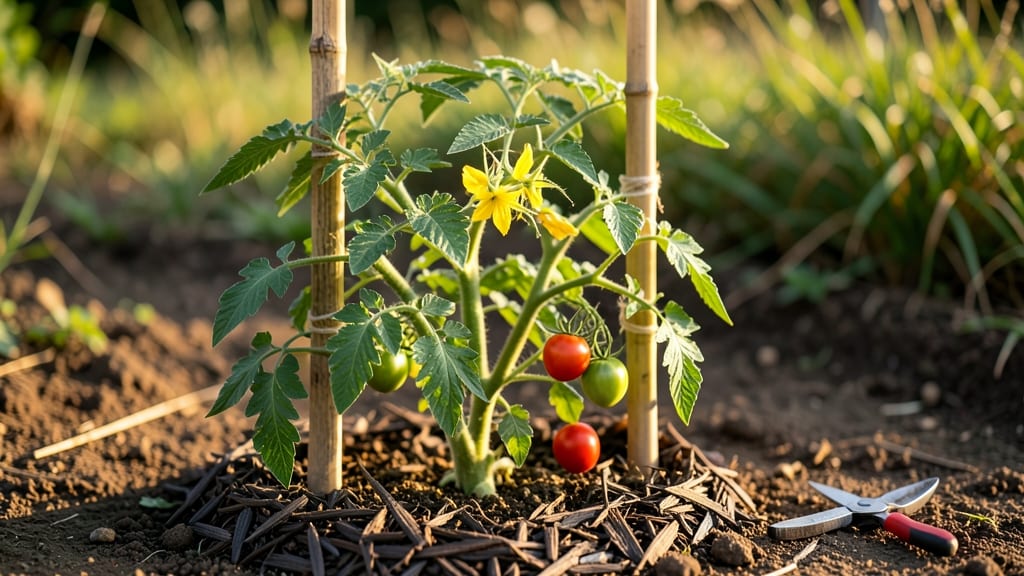
Tomato gardening tips start with one simple truth: the right soil and watering routine can turn a struggling plant into a vibrant, fruit-loaded vine. 🌱 I’ve battled blossom end rot and floppy stems—until I cracked the code on calcium balance and proper support.
The difference between sad, stunted tomatoes and bursting red clusters often comes down to these overlooked details.
Most gardeners focus on planting day, but the real magic happens in the first 30 days: consistent moisture, shade cloth for extreme heat, and a slow-release fertilizer. My vines now hit 6+ feet tall without snapping because I switched to sturdy bamboo stakes early.
Even my black thumb can’t kill these plants once you get the basics right—and they’ll reward you with tomatoes that taste like summer, not store-bought blandness.
You’ll learn to spot blossom end rot before it starts (those dark spots? They’re screaming for calcium), how to prune for airflow (yes, it’s weird to cut off flowers, but trust me), and when to let vines sprawl vs. when to tie them up.
The payoff? Heavier yields, fewer diseases, and tomatoes that actually taste like tomatoes. This isn’t just advice—it’s your ticket to the best harvest of your life.
Works for backyard gardens, containers, or even a sunny windowsill. Let’s get those seeds in the ground—or at least those seedlings planted—so you can start reaping the rewards by midsummer. The hardest part is waiting, but I promise it’s worth it.
📚 In This Guide
- What you need
- Instructions
- Tips and common mistakes
- Wrapping up and next steps
What you need
- ● Tomato Seeds or Seedlings: Choose disease-resistant varieties (e.g., 'Sungold,' 'Beefsteak,' or 'Cherry'). Start with 5–10 plants for a small garden.
- ● Growing Containers or Garden Bed: For tower gardening: 5-gallon fabric pots or a 6–8 ft tall trellis/cage (metal or wooden).
- ● For in-ground: Well-draining soil in a sunny spot (6+ hours of light/day).
- ● Soil: Potting mix (for containers) or compost-amended garden soil (pH 6.0–6.8). Add 1–2 cups of calcium-rich compost (e.g., crushed eggshells or lime) to prevent blossom end rot.
- ● Fertilizer: Balanced fertilizer (10-10-10) at planting.
- ● Calcium supplement (e.g., gypsum or crushed oyster shell) to fix blossom end rot.
- ● Organic options: Fish emulsion or worm castings (every 3–4 weeks).
- ● Watering Tools: Drip irrigation system or soaker hose (to keep soil consistently moist but not soggy).
- ● Watering can with a rose attachment (for precision).
- ● Support Structures: Trellis or stakes (2–3 ft tall for indeterminate varieties).
- ● Soft plant ties (avoid wire—it can damage vines!).
- ● Pruning Tools: Bypass pruners (sharp and clean).
- ● Garden shears (for larger vines).
- ● Mulch: Straw or shredded leaves to retain moisture and regulate soil temperature.
- ● Shade Cloth: 30–50% coverage for hot climates (prevents sunscald).
- ● pH Test Kit: To monitor soil acidity (aim for 6.0–6.8).
- ● Blossom Set Spray: Hydrogen peroxide (3%) or kelp spray to boost fruit set.
- ● Pest Control: Neem oil or row covers for early-season pests.
- ○ Growth Regulator: Seaweed extract (optional for bushier growth).
How to fix blossom end rot and grow towering tomato vines
Here’s how I’ve kept my tomato plants thriving—no more mushy fruit or floppy stems.
💧 Step 1: Prevent Blossom End Rot with Calcium and Water Discipline
Blossom end rot starts when calcium uptake fails, often from uneven moisture. I add 1 tablespoon of crushed eggshells (or garden lime) to every 2 gallons of water used for fertilizing. This ensures steady calcium levels even when roots struggle to absorb nutrients.
Water deeply twice a week—not daily splashes. The soil should feel dry 1-2 inches down before watering again. A soaker hose keeps moisture consistent without wetting leaves, which prevents fungal diseases that stress plants further. Watch for dark, sunken spots on blossom ends—this is your first sign to adjust watering immediately.
☀️ Step 2: Train Vines for Maximum Airflow and Sun Exposure
Tomatoes need 6-8 hours of direct sun daily, but too much shade causes weak stems. I use 3-foot bamboo stakes (or sturdy wooden dowels) to support each plant. Tie the main stem loosely with soft plant ties every 12 inches—tight enough to guide growth, not restrict it.
Prune suckers (the small shoots in the leaf axils) regularly. These energy vampires divert nutrients from fruit production. Leave 2-3 main stems per plant for bushier growth. You’ll see stronger branches and heavier fruit loads within weeks—no more leggy, top-heavy vines collapsing under their own weight.
🌿 Step 3: Fertilize Strategically for Continuous Blooms
Use a balanced organic fertilizer (like 5-5-5) at planting, then switch to a low-nitrogen, high-phosphorus formula (like 2-4-2) when flowers appear. I mix 1 tablespoon per plant into the soil every 4 weeks during fruiting. Too much nitrogen leads to lush foliage but few tomatoes—this is why I avoid high-nitrogen feeds after flowering.
Mulch with 2-3 inches of straw to retain moisture and block weeds. The mulch also keeps soil temps stable, which prevents calcium uptake issues. You’ll notice more consistent blooming and fewer dropped flowers once the roots stay cool and hydrated.
✂️ Step 4: Prune for Better Airflow and Disease Prevention
Remove yellow or diseased leaves immediately—don’t wait for them to spread. I snip them at the base with sterilized pruners (wipe with rubbing alcohol between cuts). This stops fungal spores from multiplying in humid conditions. Keep the center of the plant open to reduce humidity buildup, which is where blossom end rot and early blight thrive.
When tomatoes reach half their expected size, I harvest them promptly. Overripe fruit on the vine saps energy from new blooms. You’ll see faster regrowth and longer production seasons if you stay on top of pruning and harvesting. Save seeds from the best tomatoes for next year—this ensures disease resistance in future plants.
🪴 Step 5: Support Heavy Vines to Avoid Breakage
As tomatoes ripen, the weight can snap stems—especially in windy conditions. I weave additional support strings in a crisscross pattern around the stake. For indeterminate varieties, add a second stake at maturity to share the load. The goal is to distribute weight evenly so no single branch bears too much.
Check stakes weekly for loose ties or splintering wood. Replace damaged stakes immediately. A well-supported vine will tower 6-8 feet tall without collapsing, giving you weeks of continuous harvests instead of a single flush of fruit.
Tips & tricks for thriving tomato plants
Between us, these are the secrets I wish I'd known years ago—your tomato harvest will thank you.
Calcium Boost: That 1 tablespoon of crushed eggshells per 2 gallons of water works wonders, but here's the thing: grind the shells into a fine powder first. Coarse pieces won't dissolve properly, and you'll miss out on that calcium boost right when your plants need it most. I run them through a coffee grinder for a powdery texture that mixes seamlessly into watering cans.
Sunlight Strategy: Those 6-8 hours of direct sun are non-negotiable, but timing matters too. I plant my tomatoes so they get morning sun (which is strongest) and afternoon shade in hot climates. This prevents leaf scorch while still giving them the energy they need for those towering vines. Watch for leaves curling toward the sun—this is your plant's way of saying "I need shade!"
Staking System: The 3-foot bamboo stakes are great, but I've upgraded to a double-stake system for indeterminate varieties. Drive a second stake at a 45-degree angle to the first, then weave soft twine in a crisscross pattern. This creates a diamond-shaped support that distributes weight perfectly, even when tomatoes reach 6-8 feet tall. The key is securing the twine every 12 inches—don't skip this step or you'll end up with a leaning tower of Pisa situation.
Fertilizer Transition: Switching to that low-nitrogen, high-phosphorus fertilizer when flowers appear is crucial, but here's what nobody tells you: make the transition gradual. Mix equal parts of your original fertilizer with the new one for two weeks before going full phosphorus. Your plants will thank you with fewer dropped flowers and more consistent fruiting. I also apply this fertilizer in the evening when temps are cooler—this prevents root burn.
Pro Tips for Tomato Gardening Tips
- Between us, these are the secrets I wish I'd known years ago—your tomato harvest will thank you.
- Calcium Boost: That 1 tablespoon of crushed eggshells per 2 gallons of water works wonders, but here's the thing: gri...
- Sunlight Strategy: Those 6-8 hours of direct sun are non-negotiable, but timing matters too. I plant my tomatoes so t...
Frequently asked questions
Got questions about growing juicy, healthy tomatoes? You’re not alone! Here are answers to the most common tomato gardening dilemmas—from pesky pests to perfect timing.
When is the best time to plant tomato seeds or seedlings?
Plant tomato seeds indoors 6-8 weeks before your last frost date for a head start. If using seedlings, wait until soil temps hit 50°F (10°C) and all frost risk has passed. In warmer climates, you can plant as early as February!
Why do my tomatoes have blossom end rot, and how do I fix it?
Blossom end rot is caused by calcium deficiency (often from inconsistent watering) or pH imbalances. Fix it by:
- Watering deeply and evenly (1-2 inches per week).
- Adding crushed eggshells or calcium-rich fertilizer (like gypsum).
- Mulching to keep soil moisture stable.
What are the most common tomato pests, and how do I keep them away?
Watch for:
- Hornworms: Handpick them (they’re huge and easy to spot!) or use BT (Bacillus thuringiensis).
- Aphids: Blast off with water or spray neem oil.
- Whiteflies: Use yellow sticky traps or insecticidal soap.
- Blossom rot (fungus): Prune infected leaves and space plants for airflow.
How long does it take for tomato plants to produce fruit?
Most tomato varieties take 60-85 days from transplanting to harvest, depending on the type:
- Determinate (bush) tomatoes: Faster (60-70 days), produce all at once.
- Indeterminate (vining) tomatoes: Slower (70-85+ days), but keep producing until frost.
Can I grow tomatoes in containers, and what’s the best setup?
Use containers at least 5 gallons for dwarf varieties or 15+ gallons for vining types. Ensure they have:
- Drainage holes to prevent root rot.
- Well-draining potting mix (add compost or worm castings).
- Sturdy stakes or cages for support.
Wrapping up and next steps
Growing thriving tomatoes is all about balancing patience, care, and a few smart tricks—like fixing blossom end rot with calcium-rich soil or training vines for maximum yield. 🌱 Whether you’re a beginner or a seasoned gardener, these tips will help you cultivate healthier plants and bountiful harvests. Now’s the time to roll up your sleeves and watch your garden flourish!
Ready to take the next step? Start small—plant a few seeds or seedlings this week, and experiment with the techniques that work best for your space. Before you know it, you’ll be sharing homegrown tomatoes with neighbors (or your dinner plate!). Happy gardening! 🍅✨