
How To
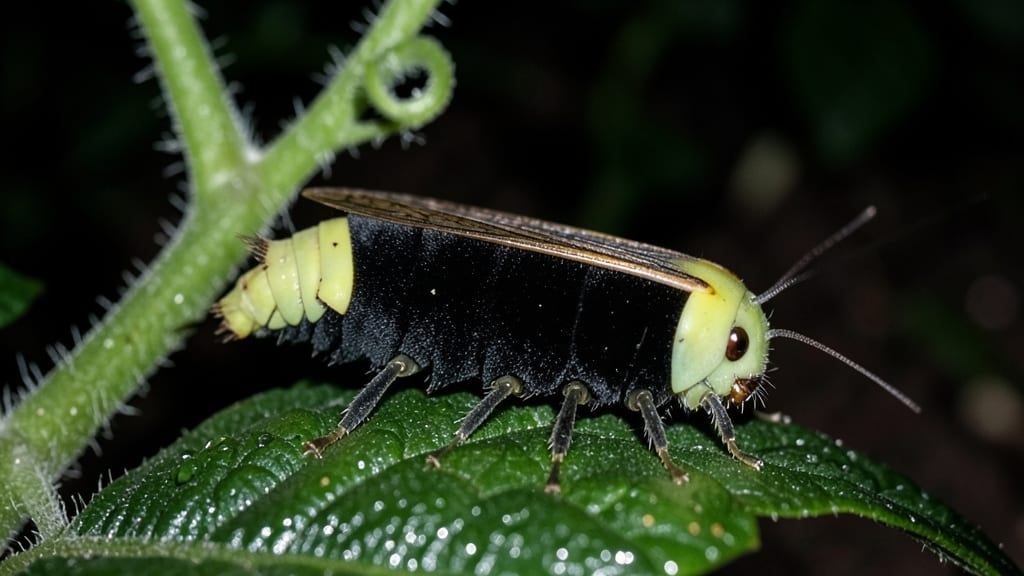
Tomato hornworms under blacklight reveal themselves like alien invaders at a rave—because that’s exactly what they are doing. 🌱 These striped caterpillars glow neon green under UV light, making them easy to spot before they devour your plants.
I’ve lost entire tomato plants to them until I discovered this trick, and now I catch dozens in a single night without harming bees or other beneficial insects.
The blacklight works by attracting the hornworms’ natural response to UV wavelengths—the same light they’d see under a full moon in their native habitat. Set up a simple DIY trap with a blacklight bulb and a white sheet, and you’ll see moths and hornworms congregate in minutes.
It’s not just about catching them; it’s about breaking their life cycle before they even reach your tomatoes.
By morning, you’ll have a pile of hornworms ready for disposal (no pesticides needed), and your plants will look like they’ve been given a second chance. The best part?
This method is safe for pollinators and other garden friends—just the hornworms get the spotlight. 🌟 The payoff is tomato plants that stay lush and productive all season long.
Works in any garden, from small containers to sprawling backyards, and pairs perfectly with other organic controls like row covers or neem oil. Here’s how to set it up without the guesswork—no more sneaky caterpillars ruining your harvest.
The Science Behind UV Lures
The reason tomato hornworms (and other nocturnal pests) become visible under a blacklight isn’t magic—it’s biology and chemistry. These caterpillars, like many moths and insects, possess natural compounds that fluoresce under ultraviolet (UV) light. Here’s why it happens, broken down by the key factors at play:
Many insects, including tomato hornworms (Manduca sexta), produce fluorescent steroids in their exoskeletons. These compounds—often 7-dehydrocholesterol—absorb UV light and re-emit it as visible blue-green light. This isn’t just random; it’s an evolutionary trait that helps predators (like bats) spot them in moonlight.
Blacklights amplify this effect by providing the exact UV wavelength (365–395 nm) that triggers fluorescence.
Actionable insight: If you’re using a blacklight for pest control, ensure it emits peak UV-A wavelengths (around 365 nm) for maximum visibility. Cheaper bulbs may miss the mark.
Tomato hornworms are primarily active at night, when UV light from the moon is naturally present. Their eyes are adapted to detect UV patterns, which helps them navigate and avoid predators. Under a blacklight, their fluorescence becomes hypervisible because:
- UV exposure excites the fluorescent compounds in their skin.
- Contrast against dark foliage makes them stand out like neon signs.
- Predator mimicry (e.g., some moths use fluorescence to warn off predators) backfires under artificial UV.
Pro tip: 💡 Set up blacklights during the early evening (just after dusk) when hornworms are most active but before they retreat to leaves. This maximizes your chances of spotting—and removing—them.
Tomato plants (and their relatives in the Solanaceae family) emit volatile organic compounds (VOCs) that attract tomato hornworms. These chemicals, like methyl salicylate, also enhance UV fluorescence when combined with the caterpillars’ own compounds. Here’s how it works:
| Factor | Why It Matters |
|---|---|
| Tomato plant stress | Damaged or overripe tomatoes release more VOCs, amplifying fluorescence in nearby hornworms. |
| Humidity levels | Higher humidity (common in summer gardens) boosts VOC emission, making hornworms more detectable under UV. |
| Blacklight placement | Positioning the light above the canopy (not too close) reduces shadowing and improves visibility. |
Key takeaway: If your garden is thriving with tomatoes, hornworms will be thriving too—and your blacklight will reveal their presence more clearly. Use this to your advantage by targeting infested plants first.
Here’s the twist: tomato hornworms aren’t trying to be seen. Their fluorescence is a byproduct of chemical defenses. Some moths use UV patterns to signal toxicity or bad taste to predators.
Under a blacklight, these signals become overly obvious, making the caterpillars easy targets for you (the gardener) or natural predators like birds.
Actionable strategy: 🎯 Combine blacklight patrols with predator-friendly habitats (e.g., birdhouses, bat boxes). This turns your UV setup into a dual defense system—you spot them, and wildlife handles the rest.
Quick Fixes for Glowing Garden Invaders
Discovering tomato hornworms under a blacklight can feel like uncovering a secret army in your garden—but don’t panic! These UV-activated pests are manageable with the right tactics. Below, we’ll break down the most effective solutions, tailored to the root causes of your infestation.
Whether you’re dealing with an overnight outbreak or just want to prevent future glow-ins, these steps will help you reclaim your garden without harsh chemicals.
Fix: Manual Removal + TrapsIf you’ve spotted these fuzzy, green caterpillars munching on your tomatoes, act fast. Tomato hornworms grow quickly and can defoliate plants in days.
- 🔥 Spot and Squish (or Relocate)
- Shine a blacklight at dusk to find them—hornworms glow neon-green under UV light, making them easy to spot.
- Wear gloves and pluck them off by hand (or use tongs for gross-out factor).
- Drop them in soapy water to kill them instantly, or relocate them far from your garden (they won’t return).
- 🍳 DIY Traps with Beer or Vinegar
- Fill a shallow dish with beer or apple cider vinegar and place it near infected plants. The scent attracts hornworms, and they’ll drown overnight.
- Pro Tip: 💡 Add a drop of dish soap to break the surface tension—hornworms can’t escape!
- 👨🍳 Use a Flashlight + Jar Method
- After dark, shine a bright flashlight on plants to startle hornworms into moving. Quickly trap them in a jar with a lid before they scurry away.
Fix: Strategic Lighting + Barriers
If your blacklight sessions keep uncovering more hornworms than you can handle, the moths are likely laying eggs in your garden. Break the cycle with these preemptive strikes.
- ⏰ Time Your Blacklight Patrols
- Check plants every 3–4 days at dusk (when moths are most active). UV light disrupts their natural camouflage, making eggs and larvae visible.
- Pro Tip: 🌡️ Use a red LED flashlight during the day to spot eggs without stressing the moths—fresh eggs are tiny and translucent.
- 🔪 Physical Barriers for Eggs
- Cover young tomato plants with floating row covers (fine mesh) to block moths from laying eggs. Secure edges tightly!
- Pro Tip: ✨ For potted plants, wrap the pots in copper tape—hornworm moths dislike the texture and avoid it.
- 🥘 Companion Planting Deterrents
- Plant basil, dill, or marigolds near tomatoes. Hornworms avoid these scents, and their presence can confuse mating moths.
- Bonus: 🎯 Basil also improves tomato flavor—double win!
Fix: Disrupt Their Life Cycle
Tomato hornworms thrive where food is abundant and predators are scarce. Turn the tables with these long-term strategies.
- 🍅 Rotate Crops & Remove Debris
- Avoid planting tomatoes, peppers, or eggplants in the same spot yearly. Hornworms overwinter in soil and garden litter.
- Pro Tip: 🔥 After harvest, pull up old plants and compost them away from your garden to starve out larvae.
- 💪 Encourage Natural Predators
- Parasitic wasps (like Cotesia congregata) lay eggs inside hornworms—the caterpillars eventually die. Welcome them by reducing pesticide use!
- Birds and lizards love hornworms. Install a bird feeder or rock piles to attract them.
- 🥗 Organic Sprays (Last Resort)
- Bt (Bacillus thuringiensis): A bacterial spray that’s safe for humans but deadly to hornworms. Reapply every 7–10 days.
- Neem oil: Disrupts hornworm feeding and egg-laying. Spray at dusk to avoid harming bees.
- Pro Tip: 🌿 Mix neem oil with a drop of dish soap for better adhesion to leaves.
Stop hornworms before they glow—and before they feast. These habits will keep your garden safe year-round.
- 🔦 Early Blacklight Scouting
- Start checking plants 2 weeks before moths emerge (usually late spring). Early detection = fewer casualties.
- 🌿 Plant Diversity
- Avoid monoculture. Interplant tomatoes with nasturtiums or borage—hornworms won’t touch them, and they attract pollinators.
- 📅 Seasonal Cleanup
- In fall, rake up all plant debris and solarize soil (cover with clear plastic for 4–6 weeks) to kill overwintering larvae.
- 🎯 Trap Crops
- Plant a sacrificial tomato or pepper plant far from your main garden. Hornworms will feast there instead of your prized produce.
With these solutions, you’ll go from frantically shining blacklights to confidently enjoying your garden—hornworm-free! 🌱💡 The key is speed (remove them young) and consistency (disrupt their cycle). Happy gardening!
Frequently asked questions
Why do tomato hornworms glow under blacklight?
Tomato hornworms produce natural fluorescent compounds in their skin that react to ultraviolet (UV) light. These compounds—like 7-dehydrocholesterol—absorb UV wavelengths and re-emit visible blue-green light. This trait evolved to help predators (like bats) spot them at night, but your blacklight amplifies the effect dramatically.
What’s the best time of day to use a blacklight for hornworms?
Set up your blacklight 30-60 minutes after sunset when hornworms are most active but before they retreat to leaves. Early evening works best—this is when they’re actively feeding and mating. Avoid using it during peak daylight hours, as UV exposure can stress beneficial insects.
Will a blacklight trap harm bees or other beneficial insects?
No, blacklights specifically target pests like hornworms and moths without harming bees or pollinators. Bees avoid UV light, and the setup only attracts nocturnal insects. For extra safety, place your blacklight trap at least 20 feet away from flowering plants and turn it off during daylight hours.
How do I know if my blacklight is strong enough?
Your blacklight should emit 365-395 nm UV-A wavelengths for maximum visibility. Test it by shining it on a white sheet at night—you should see bright blue-green fluorescence from hornworms. If you’re not seeing results, try moving the light closer to plants (but not touching them) or upgrading to a higher-wattage bulb.
Can I reuse the same blacklight setup year after year?
Yes! Blacklight bulbs last 1,000-2,000 hours of use, so they’ll serve you for multiple seasons. Just replace the bulb annually for optimal performance. The metal frame and sheet can be reused indefinitely—just store them in a dry place when not in use to prevent rust or deterioration.