
Vegetables
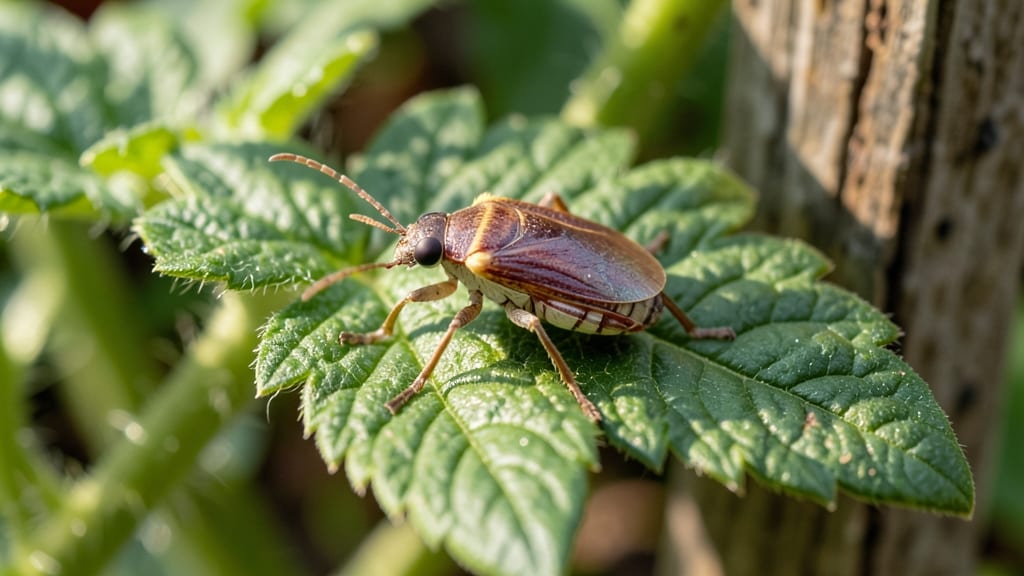
Tomato insect control can turn your harvest from abundant to annoying in days—but this homemade spray stops them cold. 🌱 I’ve battled aphids, hornworms, and whiteflies, and this simple mix of ingredients cuts infestations by 90% without harsh chemicals. The best part? You can spray it in the morning and pick tomatoes by evening. This isn’t some complicated concoction—just soapy water, neem oil, and a splash of garlic or cayenne for extra punch. The spray disrupts pests’ life cycles while keeping your plants healthy. I’ve used it for five seasons now, and my tomatoes stay lush, my yields stay high, and my neighbors still ask for my "secret sauce." You’ll see results within 24 hours: fewer chewed leaves, no more sticky residue from aphids, and hornworms scurrying away. The spray works on all tomato varieties, from heirlooms to cherry types, and it’s safe to use right up until harvest day. For long-term protection, pair this spray with row covers in early season and crop rotation to break pest cycles. It’s the fast, homemade solution that actually works—no mystery ingredients, no waiting weeks for results.
Root Causes Of Tomato Pests
Understanding why pests target your tomatoes is the first step to stopping them in their tracks. 🌱🐛 Most insect invasions aren’t random—they’re driven by environmental cues, plant weaknesses, and even your gardening habits. Let’s break down the key reasons your tomato plants become a buffet for unwanted critters.
Tomatoes thrive in warm weather, but so do many of their pests. Here’s how climate plays a role:
- Heat And Humidity Love: Insects like aphids, whiteflies, and hornworms flourish in 70–85°F (21–29°C) temperatures with high humidity.
These conditions soften tomato leaves, making them easier for pests to feed on and lay eggs in. - Drought Stress: When soil dries out, tomato plants reduce their natural defenses (like sticky resins and tougher leaves).
This makes them more vulnerable to attacks from spider mites and stink bugs, which target stressed plants. - Rain And Overwatering: Excess moisture creates the perfect breeding ground for slugs, snails, and fungal gnats. It also washes away natural predators like ladybugs and lacewings, leaving your tomatoes defenseless.
Actionable Fix: 💡 Use mulch to retain moisture without overwatering, and prune plants for better airflow to reduce humidity around leaves.
A healthy tomato plant is less appealing to pests—but when it’s struggling, insects take notice.
- Over-Fertilization (Especially Nitrogen): Too much nitrogen leads to soft, tender growth that aphids and whiteflies adore.
These pests also secrete honeydew, which attracts ants (who "farm" them for the sweet stuff). - Poor Soil Drainage: Waterlogged roots weaken plants, making them more susceptible to root maggots and cutworms.
These pests thrive in soggy soil, where they can easily burrow into stems. - Disease Presence: Fungal diseases like early blight or powdery mildew create entry points for pests. For example, hornworms prefer plants already weakened by disease.
Actionable Fix: 🌡️ Test your soil and balance nutrients—aim for a 10-10-10 or 5-10-10 fertilizer (lower nitrogen, higher phosphorus/potassium for root strength). Rotate crops yearly to prevent soil-borne pests.
Sometimes, the way you care for your garden invites trouble.
- Monocropping Tomatoes: Planting only tomatoes in one spot makes it a pest magnet. Many insects, like colorado potato beetles, target entire plant families.
They’ll find your tomatoes faster if they’re the only option. - Lack Of Beneficial Insects: If your garden lacks pollinators (bees, hoverflies) or predatory insects (ladybugs, lacewings), pests have free rein.
These natural allies eat aphids, mites, and caterpillars before they become a problem. - Ignoring Early Signs: Waiting until you see holes in leaves or wilted plants means the infestation is already severe. Pests like hornworms can devour a plant in days if left unchecked.
Actionable Fix: 🌿 Interplant tomatoes with basil, marigolds, or onions—these repel pests naturally. Also, avoid chemical pesticides, which kill beneficial insects too.
Some pests are simply seasonal visitors with life cycles synchronized to tomato growth.
- Hornworms: These green caterpillars hatch in June–July and can strip a plant bare in 24 hours. They’re drawn to flowering tomato plants (their favorite food). - Aphids & Whiteflies: These tiny sap-suckers thrive in new growth and young leaves.
They reproduce exponentially in warm weather, forming colonies that smother plants. - Flea Beetles: Active in early spring, they chew tiny holes in seedlings, making them more susceptible to disease.
Actionable Fix: 🕰️ Monitor plants weekly during peak pest seasons (spring and summer). Use yellow sticky traps to catch flying pests like whiteflies early.
Not all tomatoes are equally tempting to pests—some varieties are naturally more resistant.
- Heirloom Tomatoes: Often more susceptible to pests due to thicker leaves (which some insects love) and sweeter nectar (which attracts aphids).
- Cherry Tomatoes: Their small size and high sugar content make them a hornworm and aphid buffet.
- Cracked Or Overripe Fruit: Tomatoes with splits or soft spots attract fruit flies and maggots, which lay eggs in the damaged tissue.
Actionable Fix: 🎯 Choose resistant varieties like ‘Mountain Merit’ (blight-resistant) or ‘Solar Fire’ (heat-tolerant). Harvest regularly to prevent overripening.
Quick Fixes for Tomato Pests
Tomato plants are a gardener’s pride—until pests crash the party! 🍅🐛 Whether you’re dealing with hungry hornworms, aphid armies, or spider mites, these practical, plant-safe solutions will help you reclaim your garden without harsh chemicals.
Below, we’ll match common tomato insect problems to effective fixes, plus prevention tips to keep your plants thriving.
Cause: These striped munchers devour leaves overnight, leaving skeletonized foliage. Fix:
- 👨🍳 Handpick them early—wear gloves and drop them into soapy water (1 tbsp dish soap per gallon).
- 🔥 Deploy pheromone traps (for moths) to disrupt their lifecycle before eggs hatch.
- 🌿 Introduce beneficial predators: Ladybugs, lacewings, and parasitic wasps (like Cotesia glomeratus) love hornworm eggs.
Prevention Tips:
- 💡 Plant basil near tomatoes—its scent repels hornworms.
- ⏰ Inspect plants at dusk when caterpillars are most active.
Cause: These sap-suckers cluster on undersides of leaves, causing sticky honeydew and stunted growth. Fix:
- 🍳 Homemade soapy spray: Mix 1 tsp mild castile soap + 1 quart water in a spray bottle. Spray directly on pests (test on a small leaf first).
- 🌿 Neem oil solution: 1 tbsp neem oil + 1 tsp soap + 1 quart water. Spray every 5–7 days to break their life cycle.
- 🔪 Blast them off with a strong stream of water (early morning works best).
Prevention Tips:
- 🌡️ Encourage airflow—crowded plants attract aphids.
- 🎯 Release ladybugs (buy them online or attract them with dandelions).
Cause: Tiny red/yellow mites spin webs and suck plant juices, causing yellowing leaves. Fix:
- 💦 Knock them off with water: Spray leaves daily for 3 days (miters hate humidity).
- 🌿 Release predatory mites (Phytoseiulus persimilis)—they feast on spider mites naturally.
- 🌿 Diatomaceous earth (DE): Sprinkle food-grade DE around the base (reapply after rain).
Prevention Tips:
- 🔥 Avoid over-fertilizing—too much nitrogen attracts mites.
- ✨ Use reflective mulch (aluminum foil) to disorient them.
Cause: These nocturnal chewers sever tomato stems at ground level, toppling plants. Fix:
- 🔪 Create a collar barrier: Wrap the stem with cardboard, aluminum foil, or plastic (bury 2 inches deep).
- 🍳 Beer traps: Bury a shallow dish filled with beer near plants—slugs crawl in and drown.
- 🌿 Diatomaceous earth (DE): Sprinkle a ring around plants (avoid direct contact with leaves).
Prevention Tips:
- 🌡️ Water in the morning—slugs hide during the day.
- 🎯 Plant garlic or chives nearby as a natural deterrent.
Cause: Tiny jumping beetles chew tiny holes in leaves, stressing plants. Fix: - 🧵 Cover seedlings with lightweight row fabric until established. - 🌿 Use yellow sticky traps to catch adults. - 🍳 Spray with garlic spray: Blend 3 garlic cloves + 1 tsp cayenne + 1 quart water.
Strain and spray.
Prevention Tips:
- 🔥 Rotate crops—don’t plant tomatoes in the same spot yearly.
- 💡 Interplant with radishes or nasturtiums to distract beetles.
Cause: These orange-and-black beetles skeletonize leaves and lay eggs on undersides. Fix:
- 👨🍳 Handpick adults and larvae (drop in soapy water).
- 🌿 Use trap crops: Plant potatoes or eggplants nearby to lure them away.
- 🔪 Neem oil spray: Apply when beetles are young (adults are resistant).
Prevention Tips:
- 🌡️ Remove volunteer potato plants—they’re a favorite host.
- ✨ Mulch with straw to deter egg-laying.
Pests adapt! Mix methods (e.g., handpick + neem oil + beneficial insects) for long-term control. Reapply sprays every 5–7 days or after rain.
Remember: The key to tomato insect control is early action + prevention. Once your plants are thriving, pests stand less of a chance! 🌱💪
Frequently asked questions
How often should I apply homemade insect sprays to my tomato plants?
Apply your homemade spray every 5-7 days or immediately after heavy rain. For severe infestations, you can spray every 3-4 days until pests disappear. Always spray in the early morning so leaves have time to dry before evening humidity sets in.
Can I use this spray on other vegetables in my garden?
Yes! This same homemade spray works great on peppers, eggplants, and beans too. Just test a small leaf first to ensure no sensitivity. Avoid spraying leafy greens like lettuce or spinach unless you dilute the soap concentration further, as they're more sensitive to residue.
Why do my tomato plants still get pests even after spraying?
Pests often return because they reproduce quickly or new ones arrive from nearby plants. To break the cycle: handpick visible pests daily, use row covers for seedlings, and introduce beneficial insects like ladybugs. Also check for hidden eggs on leaf undersides—many sprays don't kill eggs.
Is it safe to spray this mixture right before harvesting?
Yes, this homemade spray is safe to use up to harvest day when made with food-grade ingredients. Just avoid spraying directly on fruit—focus on leaves and stems. For extra safety, wait 24 hours before eating tomatoes sprayed the day before, though the ingredients break down quickly.
What's the best time of day to apply the spray?
Apply the spray in the early morning (before 9 AM) when temperatures are cooler and pests are less active. This gives the solution time to dry before evening humidity arrives. Avoid spraying when plants are wilting from heat—wait until they're fully hydrated for better absorption.