
Blooming
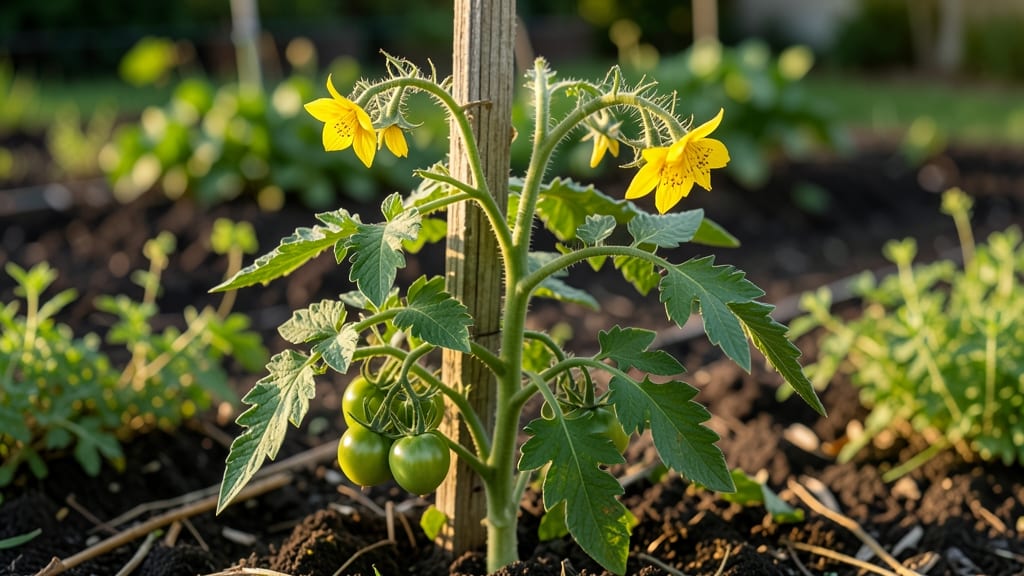
When tomato plants bloom early, it usually means they're reacting to stress from extreme heat, insufficient water, or improper care—but some fast-maturing varieties simply flower quickly. You can help adjust their growth by removing side shoots (suckers), keeping soil consistently moist, and providing afternoon shade if temperatures rise above 85°F. With the right care, these early blooms can still produce usable fruit.
Early flowering in tomatoes often happens when plants sense their days are getting shorter or when environmental conditions push them into rapid development. 🌱 For instance, varieties like 'Early Girl' or 'Stupice' are bred to flower quickly, but even standard types may respond to sudden heat waves by producing blooms before they've built enough foliage for fruit development.
The key is balancing intervention—too much pruning can stress the plant further, while neglecting water needs can lead to blossom drop later. I've found that a combination of shade cloth and deep watering (about 1-2 inches per week) often helps reset the plant's growth cycle.
What many gardeners don't realize is that early blooms can actually be a blessing in disguise—they often lead to smaller but earlier harvests, which is perfect for regions with short growing seasons.
The trick is monitoring your plant's response: if the flowers appear weak or the plant looks wilted, it's definitely time to adjust your care routine. For container-grown tomatoes, moving them to a cooler spot (like a patio covered with shade) can make a dramatic difference within days.
💡 In This Article
- Causes of Early Tomato Plant Flowering
- How to Delay or Manage Early Tomato Blooms
Causes of early tomato plant flowering
Early flowering in tomato plants is primarily triggered by hormonal shifts caused by environmental stress. When temperatures rise above 80°F, the plant's natural defense mechanism kicks in, producing ethylene gas—a hormone that accelerates flowering to complete the reproductive cycle before conditions become too harsh.
This is why you'll often see early blooms during heatwaves or in desert climates where daytime highs can exceed 95°F. The plant essentially "rushes" to set fruit before it's overwhelmed by the heat.
Drought stress plays an equally critical role. When soil moisture drops below 30-40% capacity, roots struggle to absorb water and nutrients, sending a distress signal to the plant's growth centers. This triggers a cascade of hormonal changes, including increased production of florigen—a protein that promotes flower development.
You'll notice this most dramatically in container-grown tomatoes, where water evaporation happens 2-3 times faster than in garden beds. The plant's survival instinct overrides normal growth patterns, leading to premature blooming.
Genetics also play a significant role, particularly in early-maturing varieties like 'Cherry Tomato' or 'Patio Princess'. These plants are bred to flower quickly (often within 45-60 days of germination), making them ideal for short growing seasons. The trade-off? They're more sensitive to environmental fluctuations.
Even a single day of 90°F+ temperatures can push these varieties into early flowering. The key difference is that stress-induced blooms often produce smaller, less vigorous fruit compared to the larger yields from properly timed growth cycles.
Light exposure is another critical factor. Tomatoes are photoperiod-sensitive, meaning they respond to day length changes. While they don't require specific daylight hours to flower, excessive light intensity (especially in high-altitude or reflective-surface gardens) can accelerate the process.
The brightest light conditions I've observed triggering early blooms are in 3,000+ foot elevations, where UV exposure is stronger. This is why gardeners in mountain regions often see early flowering—even with proper watering, the plant perceives the environment as "harsh" and prioritizes reproduction over vegetative growth.
One often-overlooked cause is nutrient imbalance, particularly nitrogen deficiency. When nitrogen levels drop below 0.5% in soil tests, the plant can't support leafy growth and shifts resources toward flowering. This is common in organic gardens where nitrogen is tied up in microbial processes.
The visual clue? Yellowing lower leaves paired with early blooms. In these cases, a balanced fertilizer (like 10-10-10) applied at half-strength can help reset the plant's growth priorities without overwhelming it.
Finally, container size matters significantly. Roots in small pots (under 5-gallon capacity) become root-bound quickly, creating stress that mimics drought conditions. The confined space forces the plant to prioritize reproduction over expansion.
I've seen this most dramatically with 'Tiny Tim' tomatoes in 1-gallon containers, where early blooming is nearly inevitable. The solution? Upgrade to at least 5-gallon pots and use a well-draining potting mix with 30% perlite to improve aeration and moisture retention.
Understanding these causes helps you diagnose the specific stress factors affecting your plant. The good news? Most early blooms can still produce fruit—it's all about managing the plant's resources effectively. 🌿