
Plants
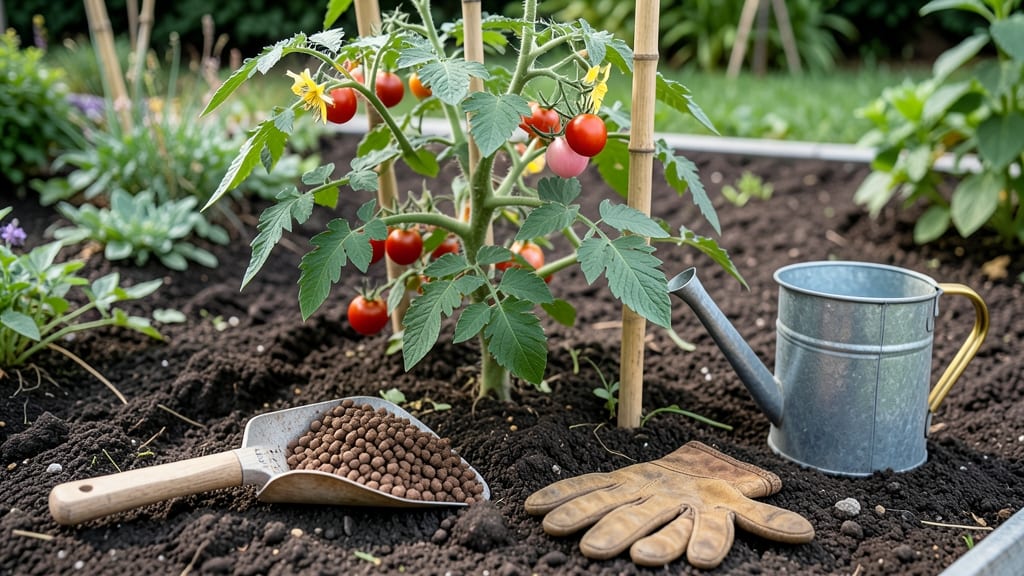
A tomato plant fertilizer schedule is the difference between a bountiful harvest and a sad handful of undersized fruits 🍅 — and it’s easier than you think.
Picture this: You’ve spent weeks nurturing your seedlings, only to watch them put out leaves instead of tomatoes. The problem isn’t your green thumb—it’s the timing and type of fertilizer you’re using (or not using).
Tomatoes need different nutrients at every stage, and skipping the schedule can leave you with blossoms but no fruit, or worse, plants that burn from too much salt.
This guide breaks down exactly when and how to feed your tomatoes—whether you’re using organic compost or synthetic blends—so you can avoid common mistakes like over-fertilizing or neglecting the flowering phase. No more guesswork, just consistent, science-backed results that turn your garden into a red (or yellow, or purple) goldmine.
You’ll learn the month-by-month plan, how to spot over-fertilization early, and even when to stop feeding before the first frost. Ready to transform your tomato game?
Monthly tomato fertilizer schedule by growth stage (seedling to harvest)
Tomatoes are heavy feeders, and their nutrient needs shift dramatically from seedling to harvest. A well-timed fertilizer schedule ensures strong roots, abundant flowers, and juicy fruit—not just leafy greens.
I’ve grown tomatoes for over a decade, and the difference between a balanced feeding plan and a one-size-fits-all approach is night and day. Let’s break it down by growth stage so you can feed your plants exactly what they need, when they need it.
Most gardeners make two critical mistakes: over-fertilizing early (which burns seedlings) or skipping nutrients during flowering (which leads to poor fruit set).
The key is adjusting NPK ratios—nitrogen (N) for leaves, phosphorus (P) for roots and flowers, and potassium (K) for fruit development—and pairing them with the right organic or synthetic fertilizers.
Below, I’ll walk you through each stage, including when to feed, what to use, and how to spot overdoing it.
| Growth Stage | Recommended Fertilizer | NPK Ratio | Frequency | Notes |
|---|---|---|---|---|
| Seedling (0–4 weeks) | Starter fertilizer (low N) or worm castings | 3-4-2 or 2-3-1 | Every 2–3 weeks | Avoid high N; focus on root growth |
| Vegetative (4–6 weeks) | Balanced fertilizer (5-10-10) or compost tea | 5-10-10 | Every 3–4 weeks | Encourage foliage without overpowering flowers |
| Flowering (6–8 weeks) | High-phosphorus fertilizer (10-20-10) or bone meal | 10-20-10 | Every 2–3 weeks | Critical for blossom development; reduce N |
| Fruiting (8+ weeks) | Potassium-rich fertilizer (5-10-20) or banana peel tea | 5-10-20 | Every 3–4 weeks | Supports fruit sweetness and disease resistance |
For seedlings (0–4 weeks), I recommend a low-nitrogen starter fertilizer like a 3-4-2 or 2-3-1 ratio. Seedlings are fragile, and too much nitrogen can cause leaf burn or stunted growth. Organic options like worm castings or a fish emulsion diluted to half strength work wonders without risk.
Apply fertilizer lightly—just enough to encourage root development. If you’re growing in containers, reduce the amount by half to avoid salt buildup.
Once your tomatoes hit the vegetative stage (4–6 weeks), they’ll start growing like crazy. This is when a balanced fertilizer (5-10-10) shines. I use either a synthetic blend or compost tea every 3–4 weeks. The goal here is to support foliage growth while preparing the plant for flowering.
If you notice yellowing leaves, it’s a sign of nitrogen deficiency—time to feed again. For organic gardeners, well-aged compost or a kelp meal can provide the right balance of nutrients.
When your tomatoes begin flowering (6–8 weeks), switch to a high-phosphorus fertilizer (10-20-10). Phosphorus is the secret to healthy blossoms and strong fruit set. I’ve had the best success with bone meal (organic) or calcium nitrate (synthetic) during this stage.
Apply it every 2–3 weeks, but watch for excessive leaf growth over fruit—a classic sign of over-fertilizing. If this happens, reduce nitrogen and increase potassium to shift energy toward fruit production.
The fruiting stage (8+ weeks) is where potassium takes center stage. A 5-10-20 fertilizer or homemade banana peel tea (rich in potassium) helps tomatoes develop sweeter, firmer fruit and boosts disease resistance.
I feed my plants every 3–4 weeks during this phase, but I always stop fertilizing 4–6 weeks before the first frost to allow the plant to harden off. Over-fertilizing late in the season can lead to splitting fruit or weak stems that struggle to support heavy harvests.
Container-grown tomatoes need more frequent feeding because nutrients leach out faster. I fertilize mine every 2 weeks during the growing season, using a
Organic vs. synthetic fertilizers for tomatoes: pros, cons, and best uses
Choosing the right fertilizer for your tomato plants can feel overwhelming, especially when deciding between organic and synthetic options. Each type offers unique benefits and drawbacks, influencing everything from nutrient availability to soil health.
For example, organic fertilizers like compost or worm castings improve soil structure over time, while synthetic fertilizers deliver quick, precise nutrients. Let’s break down the key differences to help you make an informed choice for your garden.
Organic fertilizers, such as fish emulsion or bone meal, release nutrients slowly, feeding your tomatoes consistently without risking burn. They also enhance microbiome activity in the soil, which is critical for long-term plant health.
On the other hand, synthetic fertilizers like calcium nitrate or balanced NPK blends provide immediate results, making them ideal for correcting deficiencies like blossom end rot quickly. The trade-off? Synthetics can disrupt soil balance if overused.
Organic Fertilizers for Tomatoes
Pros
- Improves soil structure and microbiome health
- Slow-release nutrients reduce burn risk
- Cost-effective for long-term use
- Safe for composting and organic gardening
Cons
- Nutrients release slowly, may not correct deficiencies quickly
- Requires preparation (e.g., composting worm castings)
Synthetic Fertilizers for Tomatoes
Pros
- Provides immediate nutrient boost for fast growth
- Precise NPK ratios for targeted needs (e.g., calcium nitrate for blossom end rot)
- Easy to measure and apply
- Works well in container gardens with controlled environments
Cons
- Risk of over-fertilization and burn if misapplied
- Can disrupt soil health over time with frequent use
- More expensive for large-scale or long-term use
For seedlings, I recommend starting with a light organic feed like compost tea or a diluted fish emulsion. This supports root development without overwhelming young plants.
As your tomatoes transition to the flowering stage, switch to a phosphorus-rich fertilizer (e.g., bone meal or a 5-10-10 NPK blend) to encourage blooms. During fruiting, a balanced approach works best—organic options like kelp meal or synthetic calcium nitrate can prevent deficiencies like blossom end rot.
If you’re dealing with poor soil quality, organic fertilizers are the clear winner. They not only feed your tomatoes but also build soil fertility for future crops. However, if you need a quick fix—like correcting a calcium deficiency—synthetic fertilizers can save the day.
For example, a spray of calcium chloride applied during flowering can prevent blossom end rot within days. Just remember to follow package instructions to avoid overdoing it.
Cost is another factor to consider. Organic fertilizers like worm castings or compost are often cheaper in the long run, especially if you make your own. Synthetics, while pricier upfront, offer convenience and precision.
For instance, a bag of 10-10-10 NPK fertilizer might cost more than a bucket of compost, but it’s easier to measure and apply in exact amounts. Weigh your priorities—long-term soil health or short-term results—to decide which aligns best with your gardening goals.
My final tip? Why not combine both? Use organic fertilizers as your base (e.g., compost and worm castings) and supplement with synthetic boosts during critical growth stages. This hybrid approach gives you the best of both worlds: soil health and quick nutrient availability when needed.
Just keep an eye on your plants for signs of stress, and adjust as you go!