
Plants
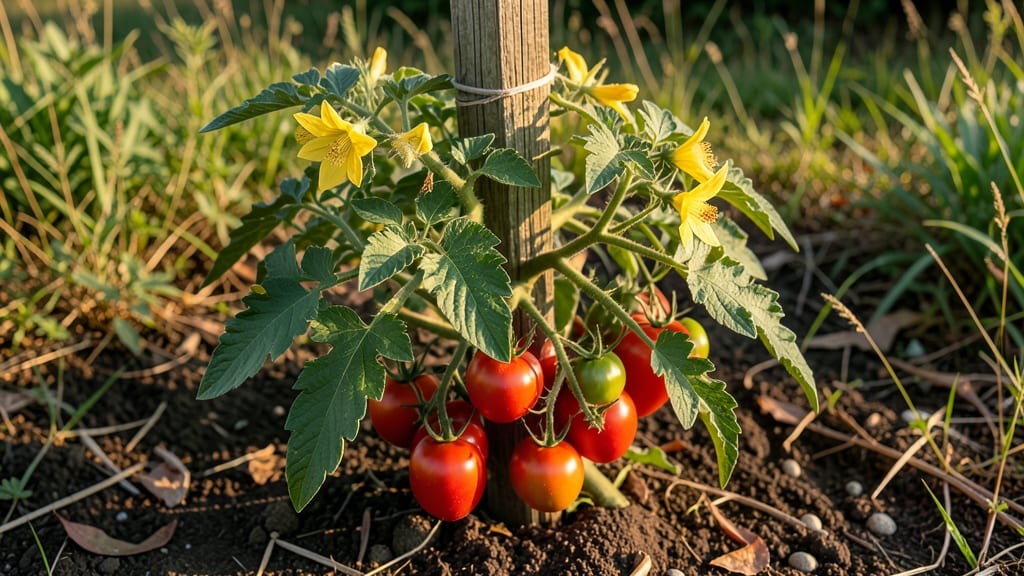
When tomato plants look wrong, it’s not always obvious what’s causing the trouble. 🌱 I’ve spent years watching plants go from lush and green to something that looks like a science experiment gone wrong—and I’ve learned to spot the early warning signs before they spiral.
The key is comparing what you see to healthy growth: dark green, glossy leaves with sturdy stems, and flowers that don’t wilt by noon. Yellowing leaves? That’s often nutrient issues or overwatering. Curling leaves? Could be pests or too much heat.
The trick is noticing these changes early, before they turn into full-blown problems. By the end of this guide, you’ll recognize the subtle differences between a plant that just needs a drink and one that’s fighting off disease.
We’ll cover the most common issues—from aphids to blight—and what to do about them without losing your whole harvest. Whether you’re growing in containers or a backyard plot, these visual cues will help you act fast. Let’s get those tomatoes back on track!
Underlying Causes Of Plant Stress
If your tomato plant isn’t looking its best, the issue often stems from environmental or biological stressors. Understanding these causes helps you take targeted action. Below are the most common reasons why tomato plants develop unusual appearances—from wilted leaves to discolored stems—and what’s driving them.
Tomatoes are heavy feeders, and their appearance can drastically change when they lack essential nutrients. A deficiency in nitrogen (N), phosphorus (P), or potassium (K)—the "NPK" trio—leads to distinct visual symptoms.
- 🌱 Nitrogen Deficiency (Pale, Yellow Leaves) Nitrogen fuels leaf growth, so a shortage causes older leaves to turn yellow (chlorosis) while veins stay green. Stunted growth and weak stems follow. Why? Nitrogen is mobile in plants, so symptoms appear first where it’s needed least—older leaves.
Soil tests reveal low organic matter or poor microbial activity.
- 🍅 Phosphorus Deficiency (Purple Stems & Slow Growth) Phosphorus aids energy transfer and root development. A deficiency triggers deep purple or blue-green stems and leaf undersides, along with delayed flowering and fruiting. Why? Cold, acidic, or highly sandy soils lock phosphorus out of reach.
Overwatering can also leach it away.
- ⚡ Potassium Deficiency (Brown Leaf Edges & Weak Structure) Potassium regulates water and disease resistance. Early signs include brown, crispy edges on older leaves (scorching) and weak stems prone to snapping. Why? Potassium is mobile but often lost through excessive rainfall or leaching.
Over-fertilizing with nitrogen without balancing potassium worsens the issue.
💡 Pro Tip: Use a balanced fertilizer (10-10-10 or 5-10-10) and supplement with compost or banana peels (rich in potassium) if you spot these signs.
Tomatoes are sensitive to both drought and overwatering, each causing distinct (and often mistaken) symptoms.
- 💧 Overwatering (Yellowing, Mushy Stems, Fungal Signs) Soggy soil suffocates roots, preventing oxygen uptake.
Symptoms include: - Yellowing leaves (even new growth). - Mushy, blackened stems at the base (root rot). - Wilting despite wet soil (a classic "thirsty but drowning" look). Why? Overwatering creates anaerobic conditions, inviting root rot fungi (Phytophthora or Pythium) and bacterial infections.
Poor drainage or clay soil exacerbates the problem.
- 🌵 Drought Stress (Wilting, Curling, Premature Fruit Drop) Underwatered tomatoes curl leaves inward, develop leathery texture, and may drop flowers/fruit. Why? Tomatoes have shallow roots; they need 1–2 inches of water per week (more in heat).
Soil pulls moisture from leaves, causing wilting even if the plant isn’t dead.
⚠️ Warning: Both extremes disrupt osmotic pressure in plant cells, leading to nutrient uptake failures and stress signals like ethylene production (which accelerates aging).
Some pests mimic diseases or nutrient issues, altering your tomato’s appearance in sneaky ways.
- 🐜 Sap-Sucking Insects (Stunted Growth, Sticky Leaves, Distorted New Growth) Aphids, whiteflies, and spider mites pierce leaves to feed, leaving:
- Sticky residue (honeydew) on leaves (attracts sooty mold).
- Curled, puckered, or yellowing leaves.
- Slowed growth (pests steal plant sap = less energy for fruit). Why? These insects inject toxins while feeding, triggering phytohormonal imbalances (e.g., overproduction of ethylene or abscisic acid).
- 🐛 Root-Feeding Pests (Wilting, Yellowing, Poor Yield) Grubs, nematodes, or cutworms attack roots, causing: - Sudden wilting (even with moist soil). - Stunted plants with few leaves. - Black, gnarled roots (nematode damage). Why? Root damage disrupts water and nutrient absorption, mimicking drought or disease.
Unlike fungal rot, the soil may smell sweet or like decaying matter.
🔍 Inspect Tip: Flip leaves and check undersides for tiny insects, webs, or eggs. Use a magnifying glass for mites.
Extreme conditions or physical harm can make tomatoes look "off" without biological causes.
- 🌡️ Heat Stress (Sun Scorch, Bleached Leaves) Temperatures above 90°F (32°C) cause: - White or grayish patches on leaves (sunburn). - Premature leaf drop. - Blossom end rot (calcium uptake fails in heat). Why? High heat denatures enzymes in leaves, disrupting chlorophyll production.
Tomatoes also transpire faster, pulling nutrients from leaves before they can be replaced.
- 🌀 Wind & Hail Damage (Torn Leaves, Bruised Fruit) Physical trauma from storms or strong winds leads to: - Ragged leaf edges (windburn). - Blackened or dented fruit (hail). - Exposed stems (leaves stripped away). Why? Mechanical damage ruptures cell walls, inviting secondary infections (e.g., bacterial spot).
Prune damaged foliage to reduce entry points.
- 🏗️ Soil Compaction or Poor Drainage Compacted or waterlogged soil restricts root expansion, causing: - Stunted growth. - Wilting despite watering. - Pale, sparse leaves. Why? Roots can’t access oxygen or spread to find nutrients.
Test soil by squeezing a handful—if it holds a shape, it’s too compact.
💡 Fix It: Loosen soil with a garden fork or add organic matter (compost, coconut coir) to improve aeration.
Fixing Your Tomato Plant’s Troubles
When your tomato plant starts looking off—whether it’s wilting, spotted, or covered in creepy crawlies—don’t panic! Most issues have simple fixes, and many can be prevented with a little proactive care.
Below, we’ll break down the most common problems and how to revive your plant (or stop them from happening in the first place).
H3: 💧 Check the Roots First Yellow leaves are often a sign of overwatering or underwatering, but they can also mean your plant is hungry. Start by gently lifting the soil with your fingers—if it’s soggy, your plant is drowning. If it’s bone-dry, it’s thirsty.
Fix:
- For overwatering: Let the top 2 inches of soil dry out before watering again. Improve drainage by mixing in perlite or compost to aerate the soil.
- For underwatering: Water deeply at the base (not the leaves) in the morning so foliage has time to dry.
- For nutrient deficiency (pale yellow leaves): Feed your plant with a balanced fertilizer (like 10-10-10) or a tomato-specific boost every 2-3 weeks.
💡 Prevention Tip: Use drip irrigation or soaker hoses to deliver water directly to the roots, reducing waste and fungal risks.
H3: 🔍 Identify the Pest Not all bugs are harmful! Here’s how to spot the troublemakers:
- Aphids (tiny green/black clusters) → Curled leaves, sticky residue.
- Spider mites (tiny red/yellow dots) → Fine webbing on undersides.
- Hornworms (big green caterpillars) → Missing leaves overnight!
- Fungus gnats (tiny black flies) → Damp soil, wilting seedlings.
Fix:
- Handpick large pests (like hornworms) and drop them in soapy water.
- Spray with neem oil (1 tsp per quart of water) for aphids and mites—reapply every 5-7 days.
- Use yellow sticky traps to catch fungus gnats and whiteflies.
- Encourage beneficial insects like ladybugs or lacewings by planting marigolds or basil nearby.
💡 Prevention Tip: Rotate crops yearly to disrupt pest life cycles, and mulch with straw to deter soil-dwelling bugs.
H3: 🌡️ Stop the Spread Fast Fungal diseases like early blight, late blight, or powdery mildew thrive in humid, crowded conditions. Act quickly to save your harvest!
Fix:
- Prune infected leaves immediately and dispose of them (don’t compost!). Sterilize pruners with rubbing alcohol.
- Apply copper fungicide or baking soda spray (1 tsp baking soda + 1 quart water + a drop of dish soap) weekly.
- Improve airflow by spacing plants 18-24 inches apart and staking vines to avoid ground contact.
- Water at the base (never overhead) to keep leaves dry.
💡 Prevention Tip: Plant resistant varieties (like ‘Mountain Merit’ for blight) and rotate planting locations every season.
H3: 🌱 Boost Strength & Support Weak stems or slow growth usually mean poor soil, lack of light, or root issues.
Fix:
- Test your soil (pH should be 6.0–6.8). Amend with compost or lime if needed.
- Move to sunnier spot—tomatoes need 6+ hours of direct sunlight daily.
- Use tomato cages or stakes early to support vines before they sag.
- Fertilize with phosphorus (look for a fertilizer with higher middle number, like 5-10-5) to encourage root and stem growth.
💡 Prevention Tip: Start seeds indoors 6-8 weeks before last frost for a stronger transplant.
H3: ⏰ Act Fast with These Steps If your tomato plant is wilting, crispy, or completely collapsed, try this 24-hour rescue plan:
- Stop watering immediately if soil is waterlogged.
- Trim all dead/diseased foliage with clean shears.
- Repot in fresh, well-draining soil if roots are rotting (cut off mushy parts before replanting).
- Shade the plant from direct sun for 3 days to reduce stress.
- Water lightly only when the top inch of soil is dry.
💡 Pro Tip: If your plant is too far gone, save the healthiest stems by taking cuttings (6-inch sections with leaves) and rooting them in water.
Prevention is easier than cure!
Follow these golden rules for happy, productive tomato plants: ✅ Rotate crops—never plant tomatoes in the same spot two years in a row. ✅ Mulch heavily (straw or grass clippings) to retain moisture and deter weeds. ✅ Monitor daily for pests/diseases—catch problems early! ✅ Harvest regularly—ripe tomatoes signal the plant to produce more.
With these fixes, your tomato plant should bounce back—and next season, it’ll be stronger than ever! 🍅💪
Frequently asked questions
What does a healthy tomato plant look like compared to an unhealthy one?
A healthy tomato plant has dark green, glossy leaves with sturdy stems and no yellowing. Flowers should be vibrant, and the plant grows upright with strong branches. Unhealthy plants often show yellowing leaves, wilting, spots, or stunted growth. Check for these visual cues daily to catch issues early!
Why are my tomato leaves curling inward?
Curling leaves usually mean pests (like spider mites or aphids), drought stress, or heat damage. Check the undersides of leaves for tiny bugs or webs. If the soil is dry, water deeply at the base. For heat stress, provide afternoon shade until the plant adjusts.
How can I tell if my tomato plant has a fungal disease?
Look for dark brown/black spots (early blight), white powdery coating (powdery mildew), or yellowing leaves with dark edges (late blight). Prune infected leaves immediately and avoid overhead watering. Use a copper fungicide or baking soda spray to prevent spread.
What do tomato leaves look like when they’re overwatered vs. underwatered?
Overwatered leaves turn yellow and mushy, while underwatered leaves curl and feel dry/leathery. Check the soil: if it’s soggy, reduce watering. If it’s bone-dry, water deeply but only at the base. Both extremes disrupt nutrient uptake, so balance is key!