
Planting
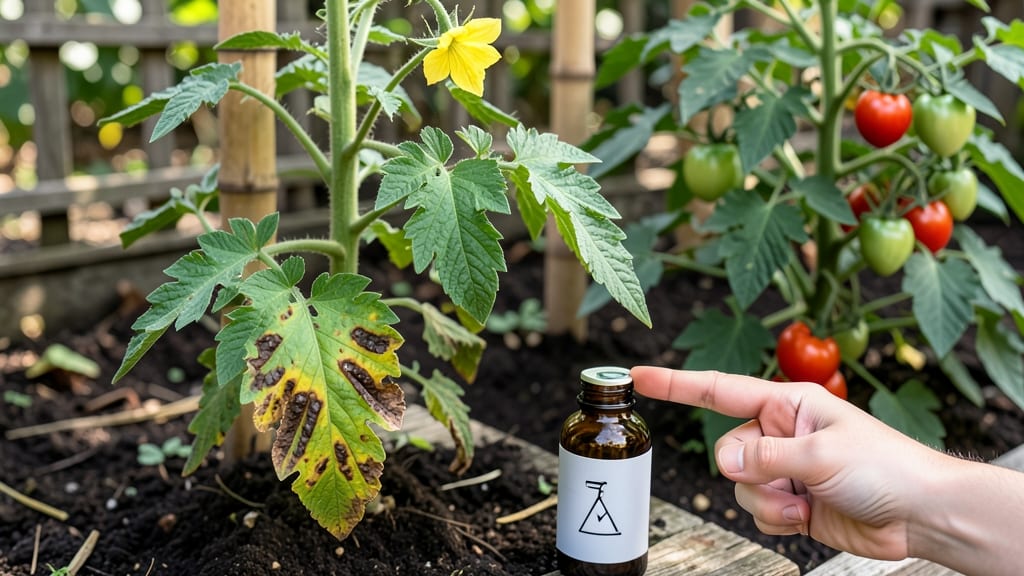
Tomato plants are toxic to humans, particularly the green parts like leaves and stems, which contain solanine and tomatine—compounds that cause nausea, vomiting, or diarrhea if ingested. Only fully ripe red fruit is safe to eat in normal amounts, as cooking reduces toxicity further.
Understanding which parts of a tomato plant are dangerous is key to safe gardening and cooking. 🌱 The green leaves, stems, and unripe fruit contain higher concentrations of solanine and tomatine, which can trigger digestive upset when consumed in large quantities.
Even small amounts might not cause issues for most people, but pets are far more sensitive—just a few leaves can make them sick. Cooking ripe tomatoes actually breaks down some of these compounds, making them safer to eat, but never risk it with the green parts.
If you're growing tomatoes at home, keep these toxic parts away from children and pets. You can compost them safely (they'll break down in heat), but never feed them to livestock or wildlife.
The ripe fruit is where the magic happens—rich in vitamins and antioxidants—so focus your harvest there while keeping the rest out of reach.
💡 In This Article
- Toxic Compounds in Tomato Plants: Solanine and Tomatine Risks
- Safe Tomato Plant Handling: When and How to Consume Parts
Toxic compounds in tomato plants: solanine and tomatine risks
Solanine and tomatine are glycoalkaloid toxins naturally produced by tomato plants as a defense mechanism against pests and disease. These compounds concentrate most heavily in the green parts—leaves, stems, and unripe fruit—where levels can reach 0.05-0.1% of dry weight.
For context, that's roughly 50-100 milligrams per 100 grams of green material, a threshold that can trigger symptoms in humans. 🌱 The body metabolizes these toxins primarily in the liver, where they break down into solanidine, a compound that disrupts cell membranes in the digestive tract.
Symptoms typically appear within 6-24 hours of ingestion and include nausea, vomiting, diarrhea, and stomach cramps. Severe cases—especially with larger amounts—can lead to neurological effects like headache, dizziness, or even hallucinations.
Children and pets are far more vulnerable due to their smaller body weight; a single handful of green tomato leaves might contain enough solanine to cause poisoning in a small dog.
Interestingly, cooking ripe tomatoes at temperatures above 160°F reduces these compounds by up to 30%, thanks to heat-induced breakdown.
The plant's natural chemistry explains why toxicity varies so dramatically. Green tomatoes contain 2-5 times more solanine than ripe red ones, while the fruit's skin has the highest concentration of tomatine.
This is why gardeners often see mold or rot on green fruit—it's the plant's way of signaling that these parts are no longer safe for consumption.
The red pigment lycopene, which develops as tomatoes ripen, actually inhibits solanine production, making fully mature fruit the only truly safe part to eat. 🍅
What most people don't realize is that these toxins serve an ecological purpose beyond human health. Solanine acts as a natural pesticide, deterring insects while allowing beneficial pollinators like bees to safely access the flowers.
The same compounds that protect the plant from herbivores also create the caution we need when handling tomato plants. Even small exposures over time may contribute to digestive sensitivity, which is why some people report stomach discomfort after eating large quantities of green tomato products.
For perspective, consider that the lethal dose for an adult human is estimated at 500-600 milligrams of solanine—roughly the amount in 5-6 pounds of green tomato leaves. However, this is an extreme case; most accidental ingestions involve far smaller amounts, leading to mild symptoms rather than poisoning.
The key risk factor is cumulative exposure, which is why gardeners should avoid eating any green parts, even in salads or sauces.
Interestingly, some tomato varieties have been bred to produce lower levels of glycoalkaloids, particularly those developed for green tomato consumption (like the 'Green Zebra' variety). These cultivars can contain 40-50% less solanine than standard varieties, making them a safer option if you're determined to use green tomatoes in cooking.
Always blanch or cook these thoroughly, and never consume the leaves or stems—no matter how "organic" or "heirloom" the plant may be. 🌿