
Planting
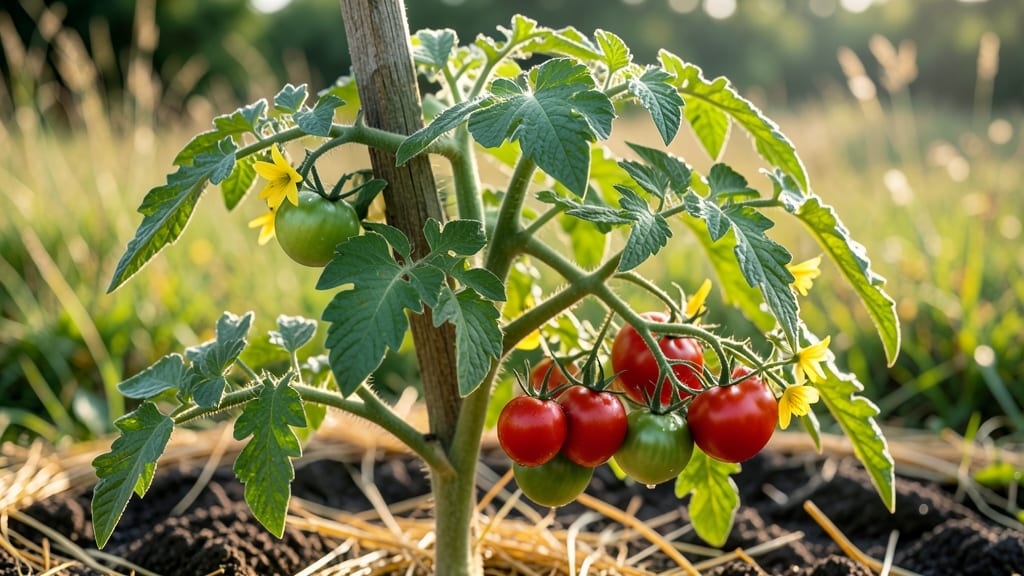
Transforming tomatoes into a tree-shaped vertical wonder isn’t just clever—it’s a game-changer for small spaces and heavy harvests. 🌿 I’ve turned my backyard corner into a lush tomato "tree" that produces three times the fruit of traditional plants, all while saving space and reducing sprawl.
The secret lies in training indeterminate varieties (like Sungold or Cherokee Purple) to grow upward on a sturdy trellis or cage. You’ll prune strategically—removing suckers and shaping the main stem—while tying branches to the support as they grow. The result? A 6-foot-tall tomato "tree" that keeps producing until frost.
By mid-summer, you’ll be snipping ripe tomatoes from every direction, and the plant’s vertical structure makes harvesting a breeze. Plus, the airflow keeps diseases at bay, so your yield stays consistent and robust all season. Works for balconies, patios, or even indoors with grow lights.
Here’s how to start your own tomato "tree" today!
📚 In This Guide
- What you need
- Instructions
- Tips and common mistakes
- Wrapping up and next steps
What you need
- ● Tomato plants: 3–5 indeterminate tomato varieties (e.g., 'Sweet 100,' 'Cherry Roma,' or 'Sungold'). Choose disease-resistant types if your climate is humid.
- ● Vertical trellis or tower: DIY option: PVC pipes (4–6 ft tall, 2–4 inches in diameter), wire mesh, or repurposed ladders.
- ● Store-bought: A pre-made tomato cage tower (e.g., A-frame or spiral trellis for 3–5 plants).
- ● Potting soil: 10–15 gallons of lightweight, well-draining mix (e.g., 60% potting soil + 30% compost + 10% perlite). Avoid garden soil—it compacts!
- ● Containers: 5–10 gallon pots (one per plant) with drainage holes, or a large fabric grow bag (for a single multi-plant setup).
- ● Fertilizer: Balanced liquid fertilizer (e.g., 10-10-10 or fish emulsion) for early growth.
- ● High-phosphorus fertilizer (e.g., 5-10-10) when flowers appear.
- ● Support ties: Soft plant ties, twine, or old T-shirts (cut into strips) to secure vines to the trellis.
- ● Pruning shears: Sharp, clean shears for trimming suckers and shaping the plant.
- ● Mulch: Straw or shredded leaves to retain moisture and suppress weeds.
- ● Drip irrigation kit: For automated watering (saves time and keeps roots happy!).
- ● Growth regulators: Like seaweed extract or hydrogen peroxide (3%) to boost root health.
- ● Shade cloth: For hot climates (30–50% coverage to protect leaves).
- ● Harvest basket or bucket: Hang one from the trellis for easy picking!
Step-by-Step instructions for building a tomato plant tree
Here's how I turn a simple trellis into a thriving vertical tomato garden that saves space and produces year-round.
🪴 Step 1: Choose and Assemble Your Vertical Structure
Start with a sturdy 5-foot tall wooden post or metal frame—something that won’t wobble when weighted with vines. I like to use a 4x4 post buried 12 inches deep in the ground for stability. For smaller spaces, a freestanding A-frame trellis works just as well, but make sure it’s at least 6 feet tall to accommodate indeterminate varieties.
Attach horizontal branches every 12 inches using galvanized metal brackets or thick twine. The branches should extend 18-24 inches outward to give vines plenty of room to sprawl. If using twine, wrap it tightly around the post first to prevent slipping. This creates a ladder-like structure where tomatoes can climb and cascade naturally.
🌱 Step 2: Plant Your Tomato Seedlings at the Base
Dig a hole twice as wide as the root ball but only as deep as the container the seedlings came in. This prevents burying the stem too deeply, which can cause rot. Place one seedling at the base of your structure, positioning it so the stem faces the center of the trellis—this encourages upward growth right away.
Gently backfill with soil, pressing lightly to remove air pockets but not compacting too tightly. Water deeply until the soil is moist 6 inches down. I like to add a slow-release fertilizer to the planting hole to give the roots a nutrient boost as they establish. Mulch around the base with 2-3 inches of straw to retain moisture and suppress weeds.
☀️ Step 3: Train Vines Upward and Prune Strategically
As the plant grows, gently tie the main stem to the trellis every 12 inches using soft plant ties or strips of old T-shirt fabric. Avoid wire or anything that can cut into the stem. Once the vine reaches the top of the trellis, let it cascade downward—this creates a natural "tree" shape and maximizes fruit production.
Pinch off suckers (the small shoots that grow in the leaf axils) to encourage stronger upward growth. I also remove any leaves that shade the lower fruit clusters, ensuring sunlight reaches the developing tomatoes. This pruning keeps the plant focused on vertical growth and improves air circulation, reducing disease risk.
💧 Step 4: Water and Feed for Continuous Harvests
Water the base of the plant deeply 2-3 times per week, ensuring the soil stays consistently moist but not soggy. Drip irrigation works best here—it delivers water directly to the roots without wetting the leaves, which helps prevent fungal diseases like blight. If using a hose, water early in the day so foliage has time to dry.
Feed with a balanced liquid fertilizer every 2-3 weeks during the growing season. I switch to a low-nitrogen, high-phosphorus formula once flowers appear to encourage fruiting. For year-round production, extend the season by planting heat-tolerant varieties in summer and cold-hardy types in cooler months, rotating them on the same trellis.
✂️ Step 5: Harvest and Maintain Through the Seasons
Pick tomatoes when they’re fully colored and slightly soft to the touch—this ensures peak flavor and encourages more production. I harvest by gently twisting the fruit until it separates from the vine. For indeterminate varieties, you’ll get a continuous harvest all season long, so check the plant every 2-3 days once fruiting begins.
In fall, prune back any dead or diseased foliage and reduce watering slightly to harden off the plant. If you’re in a mild climate, you can leave the trellis in place and replant with a new variety in early spring. For colder regions, remove the spent plant and store the trellis until next season. This keeps your vertical garden ready for another round of lush, productive growth.
Tips & tricks for perfect tomato plant trees
These simple strategies will help you transform your vertical garden into a thriving tomato "tree" that produces all season long.
Support System Stability: When assembling your 5-foot tall wooden post or metal frame, bury it at least 12 inches deep to prevent wobbling—especially important for indeterminate varieties that will become heavy with fruit. I reinforce mine with concrete mix at the base for extra stability. For freestanding A-frame trellises, anchor them with stakes or weights to prevent tipping during windy conditions.
Pruning Precision: In Step 3, when pinching off suckers every 12 inches, focus on removing only the small shoots growing between the main stem and branches. These suckers divert energy from fruit production. I also remove any leaves that shade lower fruit clusters—this ensures sunlight reaches developing tomatoes and improves air circulation to prevent disease. The key is to prune strategically, not aggressively.
Watering Wisdom: The 2-3 times per week watering schedule works best when you water deeply at the base, keeping soil consistently moist but not soggy. I've found that drip irrigation systems work wonders for vertical gardens—they deliver water directly to roots without wetting leaves, which helps prevent fungal diseases like blight. Watering early in the morning gives foliage time to dry completely before evening.
Seasonal Rotation Strategy: For year-round production, I rotate heat-tolerant varieties in summer and cold-hardy types in cooler months on the same trellis. This keeps your vertical garden productive throughout the year. When transitioning between varieties, give the soil a rest for 2-3 weeks between plantings to prevent nutrient depletion and disease buildup.
Pro Tips for Tomato Plant Tree
- These simple strategies will help you transform your vertical garden into a thriving tomato "tree" that produces all ...
- Support System Stability: When assembling your 5-foot tall wooden post or metal frame, bury it at least 12 inches dee...
- Pruning Precision: In Step 3, when pinching off suckers every 12 inches, focus on removing only the small shoots grow...
Frequently asked questions
Got questions about growing a tomato plant tree? You’re not alone! Here are some of the most common queries—plus quick, actionable answers to help you cultivate your vertical garden like a pro.
What’s the best way to train a tomato plant into a "tree" shape?
Use a sturdy trellis, cage, or even a DIY wooden frame to guide the plant upward. Prune suckers (the small shoots between the stem and branches) regularly to encourage a single, strong trunk. Tie the main stem to the support with soft plant ties every 6–12 inches. Pro tip: Start pruning early—when plants are 12–18 inches tall—to avoid overcrowding.
How long does it take for a tomato plant tree to bear fruit?
With proper care, expect fruit in 60–90 days after transplanting seedlings (depending on the variety). Dwarf or determinate varieties may fruit faster, while indeterminate types (like cherry tomatoes) can produce for months if pruned correctly. Troubleshoot: If blooms drop without fruiting, check for temperature swings (tomatoes need consistent warmth, ideally 70–85°F).
Can I grow a tomato plant tree indoors?
Yes! Place your trellis near a south-facing window or under grow lights (14–16 hours/day). Use compact varieties like ‘Tiny Tim’ or ‘Patio Princess’ and opt for self-watering pots to maintain moisture. Watch out for: Overwatering (root rot risk) and pests (spider mites love dry indoor air).
What do I do if my tomato plant tree stops growing or turns yellow?
Yellow leaves often signal overwatering, nutrient deficiency, or disease. Check soil moisture (top inch should be dry), and adjust watering. For nutrients, fertilize with a balanced 10-10-10 or tomato-specific feed every 2–3 weeks. Quick fix: If leaves curl, it might be heat stress—provide afternoon shade in hot climates.
Are there alternatives to traditional tomato plant trees?
Try espaliered tomatoes (trained flat against a wall), hanging baskets with trailing varieties, or even a palm-tree-style tomato using a single central stake. For small spaces, consider dwarf or bush varieties like ‘Micro Tom’—they’re compact but still productive!
Can I harvest tomatoes year-round with a plant tree?
In warm climates (zones 8–11), yes! Use season extension tools like cold frames or row covers in cooler months. For colder regions, grow fast-maturing varieties (e.g., ‘Early Girl’) in containers you can move indoors or to a greenhouse. Bonus: Succession planting (new seedlings every 2–3 weeks) ensures a continuous harvest.
Wrapping up and next steps
Growing a tomato plant tree isn’t just a clever gardening hack—it’s a game-changer for small spaces and year-round freshness! 🌱 With the right setup, you’ll enjoy bountiful harvests while maximizing your garden’s potential. Whether you’re a beginner or a seasoned gardener, this vertical approach makes tomato-growing fun, efficient, and rewarding.
Ready to take the next step? Start small—try a single trellis or a small tower with your favorite tomato variety, and let your creativity grow! 🌟 Happy planting, and may your harvests be plentiful!