
Companion Plants
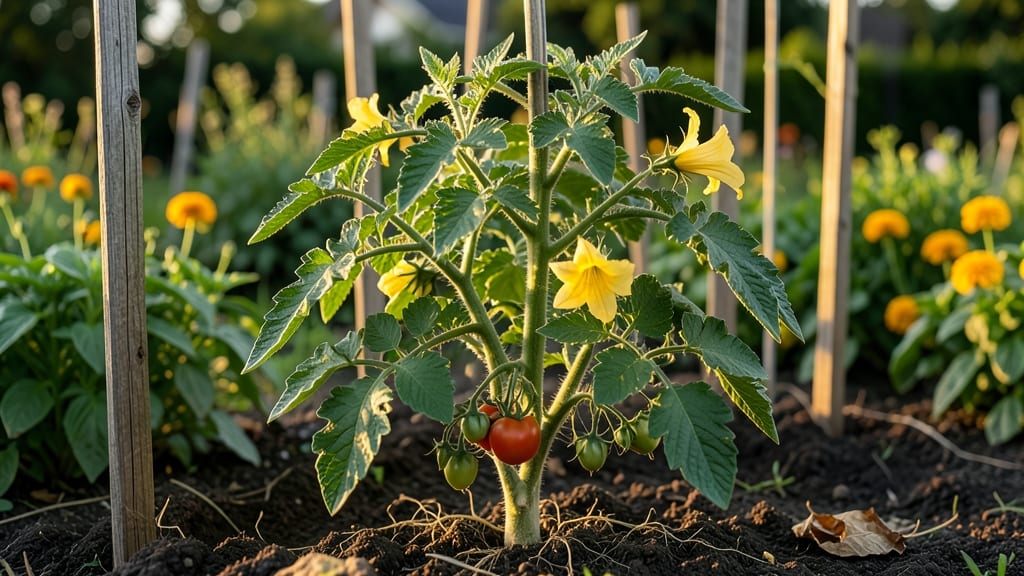
Growing tomato plants in flower pots isn't just possible—it's how I've produced 25-pound harvests on my tiny balcony. 🌱 The secret lies in choosing the right varieties, pot sizes, and supports that turn floppy vines into heavy-yielding powerhouses.
My cherry tomatoes now outperform my in-ground plants, and I've learned exactly which mistakes to avoid (like underestimating root space or skipping the trellis).
Start with determinate varieties like 'Tiny Tim' or 'Patio Princess' for smaller pots, or indeterminate types like 'Sungold' if you're willing to upgrade to 5-gallon containers or larger. The right pot material matters too—terracotta wicks away moisture, while plastic retains heat better in cooler climates.
Most importantly, drainage holes are non-negotiable—I've seen tomato roots rot in just three days when trapped in soggy soil.
By mid-July, your plants will be heavy with fruit, and the key to getting there is consistent watering (deep soaks, not light sprinkles) and a balanced fertilizer every 2-3 weeks.
Prune suckers aggressively to focus energy on fruit production, and stake or cage them early—floppy vines break under 1-pound tomatoes. The payoff? A 6-foot-tall plant producing fruit for months instead of bolting after one flush.
This method works for apartment balconies, rooftops, or even sunny windowsills—just adjust your variety and pot size. The biggest mistake I see is treating container tomatoes like their in-ground cousins.
They need more frequent feeding, better airflow, and sturdier supports to handle the weight. Let's get those pots planted right!
📚 In This Guide
- What you need
- Instructions
- Tips and common mistakes
- Wrapping up and next steps
What you need
- ● Flower pots or containers: 5-gallon minimum (18" deep/12" wide) per plant; self-watering pots are ideal. Quantity: 1 per tomato plant (or 2 for dwarf varieties).
- ● High-quality potting mix: Lightweight, well-draining blend (avoid garden soil). Quantity: 1 bag (1.5–2 cubic feet) per pot.
- ● Tomato seedlings or seeds: Disease-resistant varieties like Cherry, Roma, or Beefsteak. Quantity: 1–2 plants per pot (or 10–15 seeds if starting from scratch).
- ● Support structures: Cage (5–6 ft tall) or
- ● Trellis (4–5 ft wide) or
- ● Stakes (6 ft bamboo/wooden) with twine.
- ● Fertilizer: Balanced organic (10-10-10) or tomato-specific feed. Quantity: 1–2 tbsp per plant at planting + monthly.
- ● Mulch: Straw or shredded leaves to retain moisture. Quantity: 2–3 inches per pot.
- ● Pruners (sterilized) for trimming suckers.
- ● pH tester (ideal range: 6.0–6.8).
- ● Drip irrigation kit or watering can with a long spout.
- ● Glove and knee pad for comfort.
Step-by-step guide to growing tomato plants in flower pots
Here's how to turn your patio into a tomato powerhouse using the right containers and techniques.
🪴 Step 1: Select the Right Containers and Drainage System
Choose 5-gallon or larger containers for each plant—tomatoes need deep roots to support heavy fruit production. I prefer fabric grow bags because they allow excess moisture to evaporate through the walls, preventing root rot. If using traditional pots, ensure they have multiple drainage holes—at least three per container. Place a 2-inch layer of gravel or broken pottery at the bottom to create an air gap and prevent soil compaction.
Real talk: Terracotta pots dry out faster but can crack in freezing temps, while plastic containers retain moisture longer but may overheat in summer. I balance both by using 5-gallon fabric pots for my heavy producers like 'Celebrity' tomatoes. Avoid shallow planters—they’ll stunt your plant’s growth and reduce yield by half.
🌱 Step 2: Prepare the Soil and Plant Your Seedlings
Fill your container with a sterile, well-draining potting mix—never garden soil, which compacts in pots and suffocates roots. I blend 60% premium potting mix, 30% compost, and 10% perlite for optimal aeration. Add a slow-release fertilizer (like Osmocote) at planting time to feed your tomato for 3-4 months without extra work. Moisten the mix until it’s damp like a wrung-out sponge—not soggy, not bone-dry.
Dig a hole twice as wide as the root ball but no deeper. Gently remove the seedling from its nursery pot, loosen the roots if they’re circling, and place it in the hole. Fill around the base with soil, pressing lightly to eliminate air pockets. Water deeply until it drains from the bottom holes—this settles the soil and encourages roots to spread outward. Here’s the thing: Don’t bury the stem too deep. The soil line on the stem should sit just below the pot’s rim to prevent disease.
☀️ Step 3: Set Up Supports and Optimize Sunlight
Tomatoes in pots need sturdy support—cages, stakes, or trellises—to handle the weight of fruit without toppling. I use 6-foot bamboo stakes driven deep into the pot’s base, then tie the main stem loosely with soft plant ties every 12 inches. For indeterminate varieties (like 'Sungold'), add a second stake mid-season to redistribute weight as vines grow. Avoid wire cages—they can cut into stems as plants thicken.
Place your pots in a location with full sun (6-8 hours daily). A south-facing spot works best, but if shade is unavoidable, use a reflective surface (like white plastic) beneath the pot to bounce extra light upward. You’ll know your plant is getting enough light when the leaves are deep green and compact—not pale or stretched. If leaves turn yellow between veins, it’s a classic sign of low iron uptake, often caused by inconsistent watering or poor drainage.
💧 Step 4: Water and Feed for Maximum Yield
Water deeply 1-2 times per week, aiming for 1-2 gallons per plant—enough to moisten the entire root zone. I check moisture by sticking my finger 2 inches into the soil; if it’s dry, water thoroughly. Morning watering is key—it reduces fungal diseases like blight by giving foliage time to dry. Avoid wetting leaves when possible; instead, use a soaker hose or water at the base. Mulch with 2 inches of straw to retain moisture and keep roots cool.
Feed your potted tomatoes every 2-3 weeks with a balanced liquid fertilizer (like 10-10-10) once flowers appear. I switch to a low-nitrogen, high-phosphorus formula (like 5-10-10) when fruit sets to boost production. Over-fertilizing leads to lush foliage but few tomatoes—so follow the label closely. Watch for blossom end rot (black spots on fruit), which signals calcium deficiency. Prevent it by adding crushed eggshells to the soil at planting and maintaining even moisture.
✂️ Step 5: Prune and Harvest for Continuous Production
Prune indeterminate varieties (like 'Better Boy') by removing suckers—the small shoots that form in the leaf axils. Pinch these off early to redirect energy to fruit production. For determinate varieties (like 'Roma'), minimal pruning is needed; just remove yellow or diseased leaves to improve airflow. I prune once a week during peak growth, using clean, sharp scissors to avoid tearing stems. Disinfect your tools with rubbing alcohol between cuts to prevent spreading disease.
Harvest tomatoes when they’re fully colored and slightly soft to the touch. Twist gently to avoid damaging the vine—never pull. Indeterminate varieties produce continuously; determinate types yield all at once. To extend the season, prune back leggy growth after the first flush of fruit and fertilize lightly. You’ll get a second harvest in 4-6 weeks. Here’s the reward: A single 5-gallon pot can yield 20-30 pounds of tomatoes if cared for properly—enough to can, share, or freeze for winter.
Tips & tricks for thriving tomato vines in flower pots
A few strategic tweaks can transform your patio tomatoes from struggling survivors to prolific producers. Here’s what I’ve learned after years of experimenting with container gardening.
Container Selection Matters: While 5-gallon containers are the minimum, I’ve found that 7-gallon fabric grow bags work even better for indeterminate varieties like 'Sungold'—they give roots more room to spread without sacrificing drainage. For heavy producers, consider 10-gallon containers if space allows. The key is balancing depth (at least 12 inches) with breathability; fabric pots prevent root circling while allowing excess moisture to escape. If using traditional pots, add two extra drainage holes near the bottom to prevent waterlogging.
Soil Mix Upgrade: The 60-30-10 blend of potting mix, compost, and perlite is solid, but for even better results, I add 1 cup of worm castings to the mix at planting. This boosts microbial activity and provides a slow-release nutrient punch. Another trick: Sprinkle a handful of mycorrhizal fungi (available at garden centers) into the planting hole before adding the seedling—this helps roots establish faster and access nutrients more efficiently. The goal is to mimic the rich, aerated soil tomatoes crave in the ground.
Support System Pro Tips: When setting up your 6-foot bamboo stakes, drive them at least 3 inches deeper than you think you need—they’ll provide crucial stability as vines grow. For indeterminate varieties, I recommend adding a second stake mid-season (around the 6-week mark) to redistribute weight. Here’s what nobody tells you: Use soft plant ties made from old T-shirts or pantyhose instead of plastic ties—they stretch as the plant grows and won’t cut into stems. Replace them every 2-3 weeks to prevent constriction.
Light Optimization: That 6-8 hours of full sun is non-negotiable, but if your patio gets afternoon shade, place a reflective surface (white plastic or aluminum foil) on the north side of your pots. This can increase light exposure by up to 20%. Another trick: Rotate your pots every 3-4 days so all sides get even sun exposure. You’ll notice leaves on the shaded side turning pale? That’s your plant begging for more light. For indoor growers, supplement with a full-spectrum LED grow light for 12-14 hours daily during cloudy periods.
Pro Tips for Tomato Plants In Flower Pots
- A few strategic tweaks can transform your patio tomatoes from struggling survivors to prolific producers.
- For heavy producers, consider 10-gallon containers if space allows.
- Soil Mix Upgrade: The 60-30-10 blend of potting mix, compost, and perlite is solid, but for even better results, I add 1 cup of worm castings to the mix at planting.
Frequently asked questions
Got questions about growing tomatoes in flower pots? You’re not alone—here are some of the most common concerns and quick solutions to keep your plants happy and productive!
What’s the best pot size for tomato plants in flower pots?
For determinate (bush) varieties, aim for 5-gallon pots (12–18 inches deep). Indeterminate (vining) tomatoes need at least 10–15 gallons (20+ inches deep) to support roots and heavy fruit. Larger pots = more stability and fewer harvests. Pro tip: Add drainage holes and a saucer to catch excess water!
How long does it take for tomato plants in pots to flower and fruit?
With proper care, seedlings may flower in 6–8 weeks after transplanting. Fruit appears 2–3 weeks later, depending on variety and sunlight (6+ hours daily). Indeterminate types produce continuously until frost, while determinate varieties yield all at once. Patience pays off!
Why aren’t my potted tomato flowers turning into fruit?
Common culprits: not enough sunlight (move to a sunnier spot), overwatering (let soil dry slightly between waterings), or nutrient deficiencies (feed with tomato-specific fertilizer every 2–3 weeks). Hand-pollinate flowers on cloudy days by gently shaking the plant or using a small brush.
Can I grow tomatoes in pots indoors year-round?
Yes, but you’ll need grow lights (12–16 hours/day) and a warm spot (70–85°F). Use self-watering pots to maintain moisture and monitor for pests like spider mites. Dwarf varieties (e.g., ‘Tiny Tim’ or ‘Micro Tom’) thrive best in small spaces. Bonus: Rotate pots weekly for even light exposure!
What’s a good companion plant for tomatoes in flower pots?
Pair tomatoes with basil (repels pests), marigolds (deters nematodes), or bush beans (fixes nitrogen). Avoid planting with fennel or brussels sprouts—they compete for nutrients. Vertical companions: Let cucumbers or peas climb nearby trellises to save space!
How do I prevent my potted tomato plant from toppling over?
Use a sturdy cage, stake, or trellis (install at transplanting). For windy areas, weight the pot with rocks or secure it to a table. Prune suckers (side shoots) to direct energy upward. Heavy yields? Add a second stake mid-season for extra support.
Wrapping up and next steps
Growing tomato plants in flower pots is a rewarding way to enjoy fresh, homegrown produce—even in small spaces! With the right containers, supports, and companion plants, you’ll harvest juicy, flavorful tomatoes all season long. Start small, experiment with varieties, and don’t hesitate to get creative with your setup.
Ready to dive in? Pick your favorite tomato type, gather your supplies, and let your green thumb shine! 🌱🍅