
How To
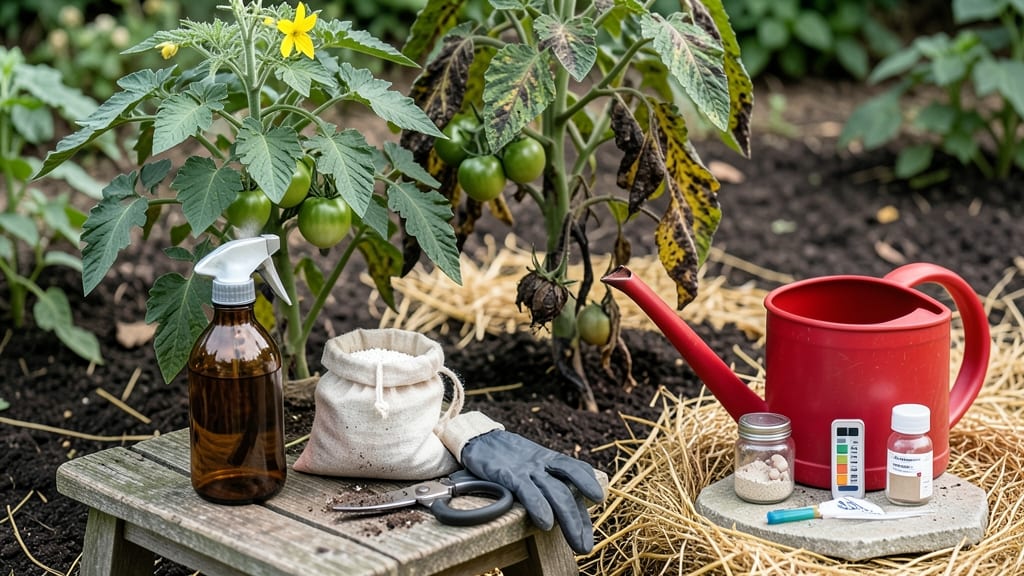
When tomato rot hits your plants, you’ve got 24 hours to stop the spread before it’s too late. 🌱 I’ve seen blight turn a thriving vine into a mushy mess in days—until I learned these targeted treatments that work fast, whether you’re dealing with fungal spots or bacterial rot.
The key isn’t just spraying; it’s understanding why the rot started and cutting it off before it spreads to healthy fruit.
Most rot begins with excess moisture on leaves or stems—think rain, overhead watering, or crowded plants. Early signs? Brown, greasy spots on leaves or soft, discolored patches on fruit. The good news?
You can save what’s left with copper fungicide for fungal issues or a baking soda spray for bacterial rot. (Yes, the same stuff in your cabinet!) I’ve pulled back entire plants using these methods, and with proper airflow and spacing, they bounce back stronger than ever.
By tomorrow morning, you’ll see the rot slow—or even stop entirely—if you act fast. Prune infected areas with clean shears, space plants wider, and water at the base only.
The goal isn’t just to treat the rot; it’s to break the cycle so your tomatoes stay productive all season. No more wasted harvests, no more panicked last-minute fixes.
Works for backyard gardens, containers, or even greenhouse setups—just adjust the spacing. The secret? Speed and precision. Here’s exactly how to do it without losing your entire crop.
Root Causes Of Tomato Rot
Tomato rot is a frustrating sight for any gardener—whether you're growing heirlooms in your backyard or tending to a small urban plot. Understanding the why behind it is the first step to stopping it in its tracks.
Below, we break down the most common causes, backed by science, so you can tackle the problem at its source.
Fungal pathogens are the #1 culprit behind tomato rot, especially in warm, humid conditions. These microscopic invaders thrive when moisture lingers on leaves or fruit, creating the perfect breeding ground.
- Early Blight (Alternaria solani) – This fungus attacks older leaves first, causing concentric brown spots with yellow halos.
If left unchecked, it spreads to stems and fruit, leading to blossom-end rot (a separate but related issue). - Why it happens: Spores spread via wind, water splashes, or infected soil.
Warm days (75–85°F) and cool, wet nights accelerate growth. - Late Blight (Phytophthora infestans) – A devastating disease that causes dark, greasy-looking lesions on leaves and fruit.
It’s the same fungus that triggered the Irish Potato Famine. - Why it happens: Thrives in high humidity (90%+) and temperatures between 60–75°F. It spreads rapidly in crowded plants or poorly ventilated gardens. - Gray Mold (Botrytis cinerea) – Appears as fuzzy gray growth on overripe or damaged fruit, often after heavy dew or rain. - Why it happens: Invades through wounds (like insect bites or cracked skin) and flourishes in stagnant air and high moisture.
💡 Pro Tip: Fungal spores can survive in soil for years, so rotating crops and testing soil health can prevent reinfection.
Unlike fungi, bacteria enter plants through open wounds—think cracked stems, insect damage, or even pruning cuts. Once inside, they multiply quickly, causing soft, mushy rot.
- Bacterial Spot (Xanthomonas perforans or Pseudomonas syringae) – Tiny, water-soaked spots on leaves turn yellow and drop out, leaving holes. Fruit may develop scabby lesions that ooze when squeezed. - Why it happens: Spreads via rain splashes, contaminated tools, or infected seeds.
Warm, wet conditions (75–90°F) are ideal for outbreaks. - Bacterial Soft Rot (Erwinia spp.) – Causes fruit to turn limp, watery, and foul-smelling as the tissue breaks down. - Why it happens: Enter through physical damage (hail, birds, or rough handling) and thrive in anaerobic (low-oxygen) conditions, like overwatered or compacted soil.
⚠️ Warning: Bacterial infections are harder to cure than fungal ones—prevention (sterilized tools, proper spacing) is key!
Tomatoes are sensitive to extreme conditions, and when they’re pushed too hard, their defenses weaken—making them vulnerable to rot.
- Overwatering or Poor Drainage 💦 - Why it happens: Tomatoes need consistent moisture, but waterlogged roots suffocate the plant, leading to root rot (Phytophthora or Pythium).
Overhead watering also keeps leaves damp, inviting fungi. - Fix: Water at the base (not the leaves) and ensure pots/containers have drainage holes.
- Nutrient Imbalances 🧪 - Calcium Deficiency → Blossom-end rot (a physiological disorder, not fungal!).
The fruit’s bottom turns brown and leathery because calcium can’t reach developing tomatoes. - Why it happens: Too much nitrogen (lush leaves but weak fruit) or drought stress disrupts calcium uptake. - Excess Salt or Chemicals → Weakens cell walls, making fruit more susceptible to rot. - Why it happens: Over-fertilizing (especially with synthetic salts) or using hard water for irrigation.
- Temperature Swings ❄️☀️
- Why it happens: Tomatoes hate sudden temperature drops (below 50°F) or heat stress (above 90°F). Cold snaps stunt growth, while extreme heat causes sunscald (white, leathery patches) that crack and rot.
- Fix: Use row covers in spring and shade cloth in summer.
A tomato’s skin is its first line of defense. When broken, it invites rot-causing pathogens.
- Insect Bites & Cracks
- Aphids, hornworms, or beetles chew holes in fruit, creating entry points for bacteria and fungi.
- Hail or wind damage can bruise tomatoes, leading to soft rot.
- Poor Harvesting Technique
- Twisting tomatoes off the vine instead of cutting with pruners can tear the stem, leaving wounds that rot.
- Overripe or Buried Fruit
- Tomatoes left on the vine too long soften and split, while those buried in mulch or soil suffocate from lack of air.
🔥 Quick Fix: Inspect plants weekly for damage and remove affected fruit immediately to stop spread.
Even the cleanest garden can harbor hidden rot triggers.
- Reused Tools – Pruners, trellises, or stakes can carry fungal spores or bacteria from plant to plant.
- Why it happens: Spores survive on metal and fabric for months.
- Infected Mulch or Compost – Old mulch or poorly decomposed compost may contain dormant pathogens.
- Cross-Contamination – Moving soil from an infected area to a new bed spreads disease.
✨ Prevention Tip: Sterilize tools with 70% rubbing alcohol or a bleach solution (1 part bleach to 9 parts water), and solarize soil in summer to kill pathogens.
Fixing Tomato Rot Fast
Tomatoes are the stars of summer gardens, but fungal blight can turn them from vibrant red to sad, slimy mush in no time. The good news? With the right approach, you can reverse rot in 24 hours and save your harvest.
Below, we break down cause-specific fixes—plus prevention tips to keep your plants thriving.
Cause: Dark brown lesions on leaves (often with concentric rings) spread from the lower foliage upward.
How to Fix It:
- 🔥 Prune & Remove Infected Leaves
- Snip off yellow or brown leaves (especially lower ones) with clean shears. Do not compost them—toss in the trash to prevent reinfection.
- If rot has spread to stems, prune 6–12 inches below the damage to encourage new growth.
- 🍳 Copper Fungicide Spray (Fast Action) - Mix 1 tbsp copper sulfate per gallon of water (or use a pre-made organic spray like Bordeaux mixture). - Spray every 5–7 days until new leaves emerge.
Focus on undersides of leaves (where spores hide). - Pro Tip: Apply in the early morning or evening to avoid burning leaves in direct sun.
- 🌡️ Boost Plant Immunity - Neem oil spray (1 tsp neem oil + 1 tsp mild soap per quart of water) disrupts fungal spores.
Reapply weekly. - Baking soda spray (1 tbsp baking soda + 1 tsp oil + 1 gallon water) raises leaf pH, making it harder for fungi to latch on.
Prevention for Next Season: ✅ Rotate crops—never plant tomatoes, peppers, or potatoes in the same spot two years in a row. ✅ Mulch heavily with straw or grass clippings to keep soil moist (but not soggy) and reduce spore splash. ✅ Water at the base (not overhead) to avoid wetting leaves.
Cause: Rapid leaf collapse, black greasy spots, and soft, waterlogged fruit (often in humid weather).
How to Fix It:
- 👨🍳 Isolate & Destroy Infected Plants
- Late blight spreads like wildfire. Remove and burn (or bag and trash) all infected plants immediately.
- If only a few leaves are affected, prune aggressively and dispose of them in sealed bags.
- ⏰ 24-Hour Fungicide Blitz
- Serenade Garden spray (contains Bacillus subtilis) or chlorothalonil (synthetic but effective) can halt spread within 24 hours if applied every 3–5 days.
- For organic gardens, hydrogen peroxide spray (1 tbsp 3% H₂O₂ per quart of water) kills spores on contact.
- 🥘 Improve Airflow & Reduce Humidity
- Space plants 18–24 inches apart (or stake tomatoes vertically).
- Use a fan on low setting near plants to dry leaves faster.
- Avoid evening watering—wet foliage overnight = fungal paradise.
Prevention for Next Season: 🔥 Plant blight-resistant varieties like ‘Mountain Merit’ or ‘Defiant PhR’. 🔥 Test soil pH—aim for 6.0–6.8 (acidic soil encourages late blight). 🔥 Crop rotation + solarization (cover soil with clear plastic for 4–6 weeks in summer to kill spores).
Cause: Mushy, blackened roots, wilting leaves, and tomatoes falling off the vine (often from overwatering or poor drainage).
How to Fix It:
- 🔪 Dig & Inspect Roots
- Gently loosen soil around the base. Healthy roots are firm and white; rotten roots are dark, slimy, and crumbly.
- Trim away mushy roots with sterilized scissors.
- 🌱 Repot or Refresh Soil
- If roots are partially salvageable, repot in fresh, well-draining soil (mix garden soil with perlite or sand).
- Add mycorrhizal fungi (available at garden centers) to help roots recover faster.
- 💡 Adjust Watering Habits
- Water deeply but infrequently—tomatoes hate soggy feet. Aim for 1–1.5 inches per week.
- Check drainage—if water pools in the pot/saucer, add holes or raise the pot.
Prevention for Next Season: ✨ Use raised beds or containers with gravel at the bottom for drainage. ✨ Mulch with straw to keep roots cool and soil moisture even. ✨ Avoid over-fertilizing with nitrogen—too much = weak roots.
If you’re not sure which rot you’re dealing with, follow this emergency protocol:
- 🚨 Stop Watering Immediately (unless soil is bone-dry).
- 🧹 Remove All Affected Leaves/Fruit (even if just a few spots).
- 🍄 Spray with a fungicide (copper, neem, or hydrogen peroxide).
- 🌿 Improve airflow (prune, stake, or fan).
- 📅 Monitor daily—healthy new growth should appear in 3–5 days.
Final Pro Tip: 🔥 The 5-Second Rule for Rot—if you see one spot, act now. Fungal spores double every 4–6 hours in warm, wet conditions. Speed = saved tomatoes!
Frequently asked questions
Can I save tomatoes already showing rot symptoms?
It depends on the type of rot. For fungal blight, remove affected fruit immediately and treat the plant with copper fungicide within 24 hours to stop spread. If it's bacterial soft rot, discard infected tomatoes—bacteria can't be cured, only prevented. Always check for wounds or cracks first, as these invite rot-causing pathogens.
How do I tell if tomato rot is fungal vs. bacterial?
Fungal rot shows as dry, brown spots with concentric rings (early blight) or greasy black patches (late blight). Bacterial rot appears as water-soaked, oozing lesions that turn yellow and smell foul. The key difference: Fungi thrive in damp conditions while bacteria need open wounds to infect.
Will baking soda really work for tomato rot treatment?
Yes! A baking soda spray (1 tbsp baking soda + 1 tsp oil + 1 gallon water) raises leaf pH, making it harder for fungi to attach. It's especially effective for early blight prevention. For active infections, combine it with copper fungicide for stronger results. Reapply every 7-10 days during humid weather.
How often should I spray fungicides on my tomato plants?
For prevention, spray every 7-14 days during growing season. If treating active rot, apply every 3-5 days until symptoms disappear. Always spray in the early morning or evening to avoid leaf burn. Rotate between copper, neem oil, and baking soda sprays to prevent resistance.
Can I still eat tomatoes from plants with rot?
Only if the rot is blossom-end rot (calcium deficiency) or early blight on leaves—cut off affected areas and harvest healthy fruit. Never eat tomatoes with bacterial soft rot (mushy, foul-smelling) or late blight (greasy black spots). When in doubt, discard and focus on treating the plant to save future harvests.