
Vegetables
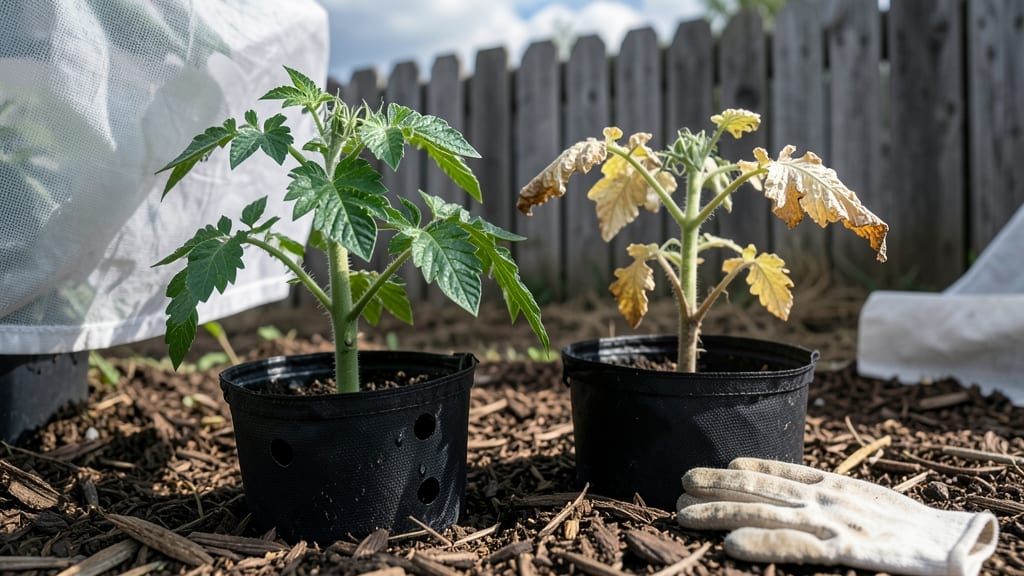
Your tomato seedlings are turning white and crispy—not because they’re sick, but because they’re getting sunburned. 🌱 That bleached look means they’ve been hit with too much direct sunlight too fast, and it can happen in just a few hours.
The good news? You can fix it quickly with the right adjustments to light, water, and care.
Sunburned seedlings show up as pale, papery patches on leaves, often with a slightly curled or brittle texture. The damage happens when tender young plants go from shade to full sun without gradual exposure.
Even a single day of intense afternoon sun can cause this—especially in hot climates or when seedlings are placed too close to a south-facing window.
Here’s the quick fix: move them to partial shade (like under a sheer curtain or 50% shade cloth) for 24-48 hours, then gradually reintroduce sunlight over 5-7 days.
Water deeply at the base in the morning to help them recover faster—avoid overhead watering, which can worsen stress. Within a few days, you’ll see fresh green growth pushing through.
To prevent it next time, harden off seedlings slowly: start with 2-3 hours of morning sun on day one, then add an hour each day. Avoid placing them in hot afternoon sun until they’re at least 2-3 weeks old and have a few true leaves.
A little patience now means stronger, healthier plants ready for the garden.
When Sun Becomes the Enemy
Tomato seedlings may seem tough, but their delicate young leaves are surprisingly vulnerable to the sun’s wrath. Unlike mature plants that develop protective pigments and thicker cuticles over time, seedlings lack these defenses, making them prone to sunburn—a condition that can stifle growth or even kill them if ignored.
Understanding the root causes helps you shield your plants before damage sets in.
Seedlings thrive in bright light, but too much sunlight—especially direct, midday rays—can overwhelm their tender tissues. The high ultraviolet (UV) and infrared radiation in sunlight triggers oxidative stress, breaking down chlorophyll and causing cell membrane damage.
This manifests as white, yellow, or brown patches on leaves, often starting at the tips or edges.
Why it happens:
- Lack of acclimation: Seedlings grown under artificial lights or in shaded conditions are not hardened to full sunlight. A sudden move to a sunny spot can cause rapid, severe stress.
- Thin cuticle layer: Young leaves have a microscopic waxy coating that’s only 1–2 cells thick, offering minimal protection against dehydration and UV rays.
- Water loss imbalance: Bright light increases transpiration (water evaporation), but seedlings’ shallow root systems can’t replenish moisture fast enough, leading to desiccation and sun damage.
💡 Pro Tip: Gradually introduce seedlings to sunlight over 7–10 days by placing them in dappled shade (e.g., under 30–50% shade cloth) before moving them to full sun. Aim for 4–6 hours of morning sun initially, then slowly extend exposure.
Sunburn isn’t just about light—it’s often a water-related issue. When seedlings are dehydrated, their cells become more susceptible to UV damage because water acts as a natural coolant and protective barrier. Even well-watered plants can suffer if the soil dries out too quickly under hot conditions.
Why it happens:
- Shallow root systems: Seedlings’ roots are often confined to the top 1–2 inches of soil, making them highly dependent on frequent, shallow watering. If the soil surface dries out, leaves wilt and become sunburned within hours.
- Osmotic stress: When soil moisture drops below 50% field capacity, plant cells lose turgor pressure, weakening their ability to scavenge antioxidants (like glutathione) that protect against UV damage.
- Heat amplification: Dry soil absorbs and radiates heat back to the plant, raising leaf temperatures by 10–15°F above ambient air temperature—effectively cooking the seedlings from below.
🌡️ Science Note: Studies show that tomato seedlings exposed to 90°F+ temperatures with low humidity experience a 30% increase in sunburn incidence compared to cooler, moist conditions.
Seedlings aren’t just fighting the sun—they’re also battling wind and heat reflection from surfaces like pavement or dark soil. These factors amplify sunburn risk by increasing leaf temperature and stress.
Why it happens:
| Factor | How It Harms Seedlings |
|---|---|
| Wind exposure | Wind dries leaves faster by increasing transpiration rates, while also disrupting the boundary layer of cool, humid air that naturally protects leaves. |
| Reflective surfaces | Dark soil, concrete, or metal absorb heat and re-radiate it as infrared waves, raising leaf temperatures by 5–10°F. Light-colored mulch or reflective barriers can mitigate this. |
| Lack of airflow | Stagnant air traps heat and humidity around leaves, creating a greenhouse effect that accelerates sunburn in hot climates. |
💡 Pro Tip: Use floating row covers or lightweight shade cloth (30–40%) to block wind and reduce heat load. Elevate seedlings with straw mulch or egg cartons to improve airflow at the soil level.
By addressing these three core issues—light intensity, hydration, and environmental stressors—you can drastically reduce sunburn risk and give your tomato seedlings the strong start they need. Next, we’ll cover how to treat sunburned leaves and prevent future damage.
Quick Fixes for Scorched Seedlings
Sunburned tomato seedlings can look like they’ve been through a war zone—crispy edges, yellowing, or even blackened leaves—but don’t despair! With the right approach, you can nurse them back to health and even prevent future damage.
Below, we’ve mapped out practical solutions based on the root cause of the problem, along with prevention tips to keep your seedlings thriving.
If your seedlings are soggy and sunburned due to excess moisture (which weakens their ability to handle sunlight), act fast:
Fix It:
- 🔥 Let Them Dry Out
- Gently remove the seedlings from their pots and let them air-dry for 1–2 hours in a shaded area. This prevents further root rot while you assess the damage.
- 🍳 Repot in Well-Draining Soil
- Use a lightweight potting mix (like a 50/50 blend of peat moss and perlite or coco coir). Avoid compacted garden soil, which traps moisture.
- If repotting, trim any mushy roots with sterilized scissors before replanting.
- 👨🍳 Gradual Sun Reintroduction
- Place them back in partial shade (e.g., under a sheer cloth or 30% shade fabric) for 3–5 days before moving them to morning sun.
- Water only when the top inch of soil is dry—stick your finger in to check!
💡 Prevention Tip:
- Use self-watering pots with drainage holes or terracotta containers (they dry out faster).
- Add a 1-inch layer of gravel at the bottom of pots to improve drainage.
If your seedlings are suddenly exposed to harsh midday sun (or you moved them too quickly), their leaves may look bleached or crispy.
Fix It:
- 🔪 Trim the Damage (But Not Too Much!)
- Snip off only the most severely burned leaves with clean scissors. Avoid cutting into healthy tissue.
- Focus on larger, older leaves—new growth is more resilient.
- 🌡️ Provide Immediate Shade
- Move seedlings to a shadier spot (e.g., under a patio, near a north-facing wall, or under a 50% shade cloth).
- If outdoors, use a white umbrella or a DIY shade tent made from lightweight fabric.
- ⏰ Slowly Harden Them Off
- Over 7–10 days, gradually increase sun exposure by 1–2 hours per day, starting with morning sun (which is less intense).
- Avoid hot afternoon sun (12 PM–4 PM) until they’re fully acclimated.
💡 Prevention Tip:
- Hardening off is key! If starting indoors, move seedlings outside progressively over 1–2 weeks before full sun.
- Mulch around the base with straw or grass clippings to keep soil cooler and retain moisture.
In dry, hot climates, seedlings can wiltingly suffer from sunburn due to rapid water loss.
Fix It:
- 💦 Hydrate with Care
- Water deeply at the base (not overhead) in the early morning to reduce evaporation.
- Use lukewarm water (cooler than room temp) to shock roots less.
- 🌿 Increase Humidity Temporarily
- Place a shallow tray of water near the seedlings or mist them lightly 2–3 times a day (avoid soggy leaves).
- Group pots together to create a micro-climate with higher humidity.
- 🎯 Reflect Light Away
- Place a white sheet or reflective mulch (like aluminum foil) 1–2 feet away to bounce light away from seedlings.
- Avoid black plastic mulch—it absorbs heat and worsens stress.
💡 Prevention Tip:
- Mulch heavily (2–3 inches) with straw or wood chips to lock in moisture.
- Water deeply but less often—deep roots handle heat better than shallow, frequent watering.
If seedlings are etiolated (stretched and weak) from lack of light or poor nutrition, they’re more prone to sun damage.
Fix It:
- 📊 Fertilize Lightly
- Use a balanced, water-soluble fertilizer (like 5-5-5 or fish emulsion) diluted to half strength.
- Avoid high-nitrogen feeds—too much can make leaves more sensitive to sun.
- 💪 Support Their Structure
- Stake tall, leggy seedlings with toothpicks or small bamboo stakes to prevent flopping (which exposes more leaf surface to sun).
- If using a cage, cover the top with shade cloth for the first week.
- ✨ Boost Natural Defenses
- Spray leaves with a homemade compost tea (steep compost in water for 24 hours, strain, and use) to improve resilience.
- Add 1 tbsp of Epsom salt per gallon of water (magnesium helps with chlorophyll production).
💡 Prevention Tip:
- Start with strong seedlings—sow seeds in smaller cells (2–3 inches deep) for better root development.
- Use grow lights indoors if natural light is weak (14–16 hours/day).
Final Thought: Most sunburned seedlings recover within 5–7 days if given the right care. The key is acting fast, adjusting their environment, and preventing future stress. With these fixes, your tomatoes will bounce back—and next season, you’ll have hardier, sun-smart plants! 🌿🔥
Frequently asked questions
How quickly can tomato seedlings show sunburn symptoms?
Sunburn can appear in as little as 2-4 hours of intense midday sunlight exposure. You’ll notice pale, bleached patches on leaves first, followed by crispy edges within 6-12 hours if conditions remain hot and dry. The damage progresses fastest on clear, windy days when humidity drops below 40%.
Can sunburned tomato seedlings recover completely?
Yes, with proper care! If you catch it early and provide shade, consistent watering, and gradual sun reintroduction, seedlings typically recover within 5-7 days. Severely burned leaves may need trimming, but new growth will emerge from healthy tissue. The key is preventing further stress while the plant rebuilds its protective layers.
What's the best shade solution for sunburned seedlings?
Use 50% shade cloth for moderate protection or a white sheer curtain for gentle filtering. Avoid dark materials that absorb heat. Place shade above the plants (not beside them) to prevent heat buildup. For emergency fixes, a white umbrella or cardboard box with holes cut for ventilation works well.
Will sunburn affect my tomato's fruit production later?
Mild sunburn may cause temporary stress, but healthy seedlings will recover and produce normal yields. However, severe or repeated sunburn can stunt growth and reduce plant vigor. The good news is that once seedlings develop thicker leaves (after 4-6 weeks of proper hardening), they become much more resistant to sun damage.
Can I use household items to prevent sunburn?
Try these DIY solutions: Place seedlings on a white tray or aluminum foil (1-2 feet away) to reflect light, or use old white T-shirts as shade cloth. For humidity, group pots together or place them on a tray of pebbles with water (not touching the bottom). These work just as well as commercial products!