
How To
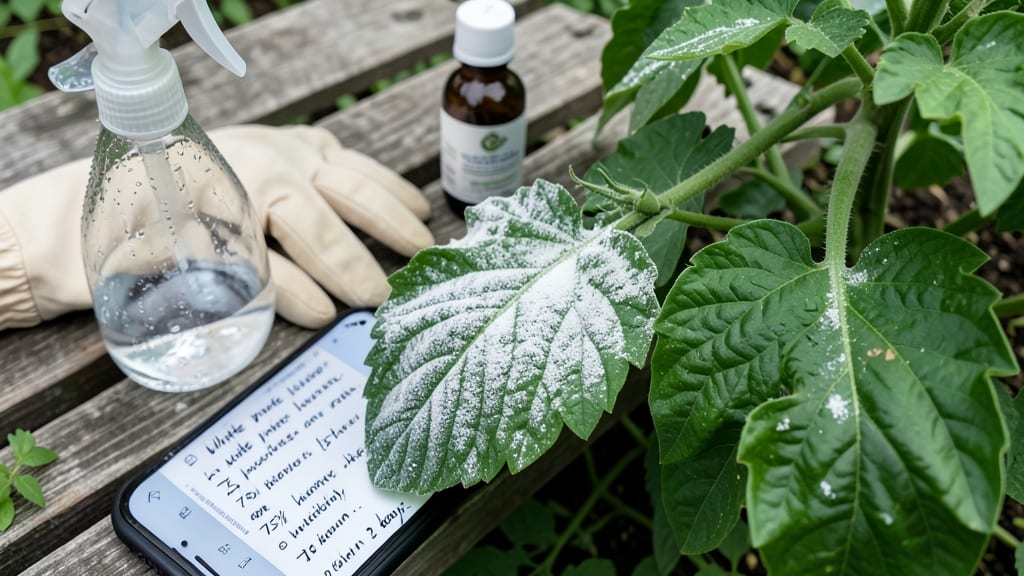
Tomato leaves turning white isn’t just unsightly—it’s a cry for help from your plants. 🌱 I’ve seen powdery mildew transform lush green leaves into ghostly white patches within days, and the good news is you can turn it around fast with the right moves.
The key is acting before the fungus spreads to your fruit.
Most white leaf issues start with powdery mildew, a fungal infection that thrives in warm, humid conditions. You’ll spot it as a white, powdery coating on leaf tops and undersides, often starting on lower leaves.
Other causes include nutrient deficiencies (like magnesium or nitrogen) or even overwatering, but the white, fuzzy look is classic mildew. The sooner you act, the easier the fix—sometimes just a quick spray is all it takes.
Here’s the game-changer: a mix of baking soda spray (1 teaspoon baking soda + 1 quart water + a drop of dish soap) applied every 7-10 days stops the spread in its tracks.
For stubborn cases, neem oil or sulfur-based fungicides work like a charm. Prune affected leaves immediately to improve airflow, and water at the base—not the foliage—to keep conditions dry.
With these steps, your tomatoes bounce back in 2-3 weeks, and you’ll avoid the heartbreak of blighted harvests. The secret is catching it early—so keep an eye on those lower leaves, and your plants will thank you with juicy, disease-free fruit all season.
Why it happens
When your tomato plants start showing white, powdery patches or bleached-out foliage, it’s usually a cry for help from your plants. Understanding the root causes—whether biological, environmental, or chemical—is the first step to saving your harvest.
Let’s break down the most common culprits behind tomato leaves turning white, so you can diagnose and act fast.
🍄 Fungal Infections: The Silent Leaf Saboteurs
Fungi are the #1 reason tomato leaves develop white spots or discoloration, often appearing as powdery mildew or early blight. These pathogens thrive in humid, low-light conditions and spread via spores.
- Powdery Mildew: A white, talcum-powder-like coating on leaves, often starting on the undersides. It blocks sunlight, weakening photosynthesis and causing leaves to turn white or yellow. Fungus: Erysiphe cichoracearum or Oidium neolycopersici.
- Early Blight: White or tan spots with concentric rings (like a bullseye) that eventually turn brown and crispy. Fungus: Alternaria solani, which invades through wounds or old leaves.
- Late Blight: While more common in cooler climates, it can cause greasy-looking white or grayish patches that spread rapidly. Fungus: Phytophthora infestans (the same pathogen that caused the Irish potato famine).
💡 Pro Tip: Fungal spores love stagnant air and moisture. Prune leaves for airflow, water at the base (not overhead), and avoid planting tomatoes where nightshades (like potatoes or peppers) grew last season.
🌡️ Environmental Stress: Too Much or Too Little
Extreme conditions—whether heat, cold, or poor air circulation—can bleach tomato leaves by disrupting chlorophyll production. Here’s how:
- Heat Stress: Temperatures above 90°F (32°C) can cause white or yellow patches due to protein denaturation in leaves. Tomatoes also transpire faster in heat, leading to nutrient deficiencies that mimic white spotting.
- Cold Damage: Frosts or sudden chills (below 50°F / 10°C) can cause white, water-soaked spots that turn brown. This is often irreversible on mature leaves but can stunt new growth.
- Poor Airflow: Dense foliage or crowded plants trap humidity, creating the perfect fungal buffet. Without circulation, leaves stay damp longer, accelerating white spot formation.
🌡️ Quick Fix: If environmental stress is the issue, shade cloth (for heat) or row covers (for cold) can protect plants. Space tomatoes 18–24 inches apart and stake them to improve airflow.
🧪 Chemical Burns: Overdoing the Good Stuff
Too much of a good thing—like fertilizer, pesticides, or even tap water—can burn tomato leaves, leaving white or dead patches. Here’s what to watch for:
- Fertilizer Burn: Excess nitrogen (especially in synthetic fertilizers) causes white tips or edges on leaves. Over-fertilizing also weakens roots, making plants vulnerable to fungal infections.
- Pesticide/Herbicide Drift: Residual chemicals (even organic ones) can bleach leaves. Look for white, crispy patches along leaf edges or veins.
- Hard Water Damage: High calcium or chlorine in tap water can cause white, powdery deposits on leaves, clogging stomata (pores) and reducing gas exchange.
✨ Prevention Tip: Always water at soil level, use rainwater or filtered water, and dilute fertilizers to half-strength if your soil is already rich. Rotate pesticides to avoid resistance.
🐛 Pest Activity: Tiny Thieves Stealing Your Greens
Some pests don’t just eat leaves—they inject toxins or sap nutrients, leaving white or speckled patterns behind. Common culprits:
- Aphids: Tiny green/white bugs cluster on undersides, injecting honeydew (a sugary substance) that fosters sooty mold (a black, powdery fungus). Their feeding weakens leaves, causing white/yellow patches.
- Whiteflies: These white, moth-like insects suck sap, leaving leaves speckled with white and sticky. They also spread viruses like Tomato Yellow Leaf Curl Virus.
- Spider Mites: While they cause yellow stippling, severe infestations can bleach leaves as they strip chlorophyll.
🔥 Fast Action: Blast pests off with a strong spray of water, introduce ladybugs or lacewings (natural predators), or use neem oil (1 tsp per quart of water, sprayed at dusk).
Quick Fixes for Pale Tomato Leaves
If your tomato plants are losing their vibrant green hue and turning white, don’t panic—there are simple, effective ways to restore their health. The key is identifying the root cause (like fungal infections, nutrient deficiencies, or environmental stress) and applying the right remedy.
Below, we’ve broken down practical solutions for each common issue, along with prevention tips to keep your plants thriving.
Fungal infections like powdery mildew or early blight often cause white patches on tomato leaves. These spread quickly in humid conditions, so act fast!
🔥 Step 1: Remove Infected Leaves
- 👨🍳 Snip off any leaves with white spots using sterilized scissors (wipe with rubbing alcohol between cuts).
- 🗑️ Dispose of them in the trash—not the compost—to prevent reinfection.
- ⏰ Do this in the morning so leaves have time to dry, reducing fungal spread.
🍳 Step 2: Apply Fungicide (Natural or Store-Bought)
- 💡 Natural Option: Mix 1 tsp baking soda + 1 tbsp vegetable oil + 1 tsp dish soap in 1 quart of water.
Spray leaves thoroughly (undersides too!) every 7–10 days. - 🌡️ Store-Bought Option: Use a copper fungicide or neem oil spray (follow label instructions).
These disrupt fungal spores without harming plants. - 🎯 Pro Tip: Add a few drops of hydrogen peroxide (3%) to your spray bottle for extra antifungal power.
🌿 Step 3: Improve Airflow & Light
- ✨ Prune nearby plants to increase airflow around tomatoes.
- 🌞 Move pots to a sunnier spot (if indoors) or space plants 18–24 inches apart in the garden.
- 💨 Use a fan on low for 10–15 minutes daily to dry leaves faster.
🔥 Prevention Tips for Fungus
- 🌧️ Water at the base (avoid wetting leaves) in the early morning so foliage dries by night.
- 🌱 Rotate crops—don’t plant tomatoes in the same spot yearly.
- 🍅 Choose resistant varieties like ‘Mountain Merit’ or ‘Defiant PhR’ if fungus is recurrent.
If leaves are pale green or white with yellow edges, your tomatoes may lack nitrogen, magnesium, or potassium.
💡 Quick Nutrient Fixes
| Issue | Solution | Prevention |
|---|---|---|
| Nitrogen deficiency | Add compost tea or blood meal (follow package rates) to soil. | Use balanced fertilizer (10-10-10) at planting. |
| Magnesium deficiency | Spray Epsom salt solution (1 tbsp per gallon of water) on leaves. | Mix Epsom salt into soil at planting. |
| Potassium deficiency | Feed with banana peel tea or wood ash (sprinkle lightly around roots). | Use a potassium-rich fertilizer mid-season. |
🌿 Soil & Water Adjustments
- 💧 Test your soil (pH should be 6.0–6.8 for tomatoes). Adjust with lime (to raise pH) or sulfur (to lower pH) if needed.
- 🌱 Avoid overwatering—soggy soil leaches nutrients.
Water deeply 1–2x per week instead of daily shallow watering. - 🍅 Mulch with straw to retain moisture and slow nutrient loss.
Extreme temperatures can cause white or bleached patches on leaves.
🔥 Immediate Relief for Heat Stress
- 💦 Provide shade with floating row covers or lightweight shade cloth (30–50%) during peak sun (11 AM–3 PM).
- 🌿 Increase humidity by misting leaves early in the day (avoid evening misting to prevent fungus).
- 💧 Water deeply in the early morning to cool roots.
❄️ Fixing Cold Damage
- 🌡️ Cover plants with row covers or old blankets if frost is forecasted.
- 🌱 Move potted tomatoes to a sheltered spot (like a garage or under a porch).
- 🔥 Use black plastic mulch to warm soil faster in spring.
🌱 Long-Term Prevention
- 🌿 Plant tomatoes in late spring (after the last frost) for optimal growing conditions.
- 🏡 Choose heat-tolerant varieties like ‘Heatmaster’ or ‘Solar Fire’ for hot climates.
- 🌡️ Monitor weather forecasts and protect young plants from sudden temperature drops.
- 🍅 Prune regularly to improve airflow and sunlight penetration.
- 🌱 Rotate crops every 3 years to prevent soil-borne diseases.
- 💧 Use drip irrigation to keep leaves dry and reduce fungal risk.
- 🌿 Harvest promptly—ripe tomatoes signal the plant to focus on fruit, not leaves!
By tackling the specific cause of your tomato leaves turning white, you’ll see a dramatic recovery in 1–2 weeks with consistent care. Healthy plants = bountiful harvests! 🍅✨
Frequently asked questions
Is it always powdery mildew if my tomato leaves turn white?
Not necessarily! While powdery mildew is the most common cause, white leaves can also signal nutrient deficiencies (like magnesium or nitrogen), environmental stress from heat/cold, or even chemical burns from fertilizers or hard water. Check for fuzzy coatings (mildew) or crispy edges (chemical burn) to narrow it down.
Can I still save my tomato plant if half the leaves are white?
Yes, but act fast! Prune the worst-affected leaves immediately, then treat with a baking soda spray (1 tsp baking soda + 1 quart water + dish soap) every 7 days. For severe cases, neem oil or copper fungicide works better. With proper care, new growth should return in 2-3 weeks.
Why does my tomato plant have white spots but no powdery coating?
Those could be signs of early blight (tan spots with rings) or nutrient deficiencies. Check the leaf edges: yellowing suggests nitrogen deficiency, while white patches between veins often mean magnesium deficiency. Test your soil pH—tomatoes prefer 6.0-6.8—and adjust with lime or sulfur if needed.
Will removing white leaves help my tomato plant recover?
Pruning infected leaves improves airflow and stops fungal spread. Use sterilized scissors and dispose of leaves in the trash (not compost). Focus on removing leaves with white, powdery patches first—this gives your plant energy to produce new, healthy growth.
Can I use household items to treat white tomato leaves?
Yes! Mix 1 tsp baking soda + 1 tbsp vegetable oil + 1 tsp dish soap in 1 quart water for a natural fungicide. For stubborn cases, hydrogen peroxide (3%) or milk (1 part milk to 9 parts water) also work. Always spray in the morning so leaves dry quickly.