
Vegetables
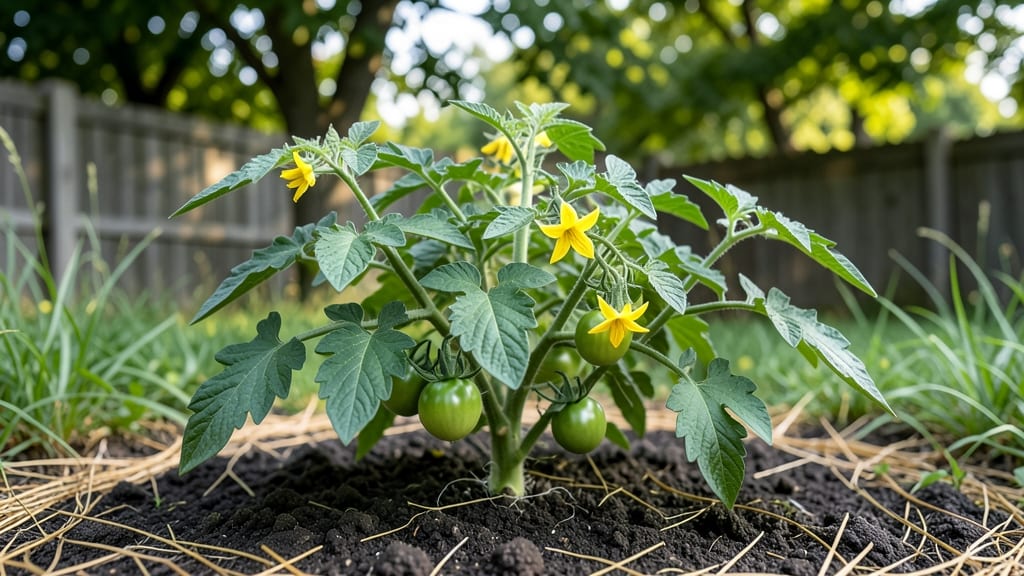
Growing the Tomato Supersweet 100 variety means homegrown tomatoes so sweet they’ll make store-bought taste like cardboard. 🌱 This heirloom hybrid delivers bursting flavor with exceptional disease resistance, making it the perfect choice for gardeners who want reliable yields without the fuss of constant spraying.
The secret to its success lies in rich, well-draining soil mixed with compost and a sturdy support system—these plants grow 6-8 feet tall and produce heavy clusters of 3-4 inch fruits.
Start seeds indoors 6-8 weeks before your last frost, then transplant after soil warms to 60°F. Prune suckers regularly to focus energy on fruit production, and watch as vines explode with deep red, sugar-packed tomatoes by mid-summer.
What sets this variety apart is its sweetness level—often compared to sun-ripened heirlooms, but with the disease resistance of modern hybrids. Expect better flavor per bite than most grocery store tomatoes, even in less-than-perfect growing conditions.
The key is consistent moisture (1-2 inches per week) and balanced fertilization—too much nitrogen leads to leafy vines, not fruit. Whether you’re a first-time gardener or a seasoned grower, this variety delivers reliable results with minimal effort.
The payoff? Tomatoes so sweet, your neighbors will ask for cuttings—and you’ll be happy to share.
📚 In This Guide
- What you need
- Instructions
- Tips and common mistakes
- Wrapping up and next steps
What you need
- ● Seeds or Seedlings: 4–6 Tomato Supersweet 100 seeds or healthy seedlings (check for disease resistance labels).
- ● Containers or Garden Bed: Containers: 5-gallon pots (1 per plant) with drainage holes.
- ● Garden Bed: Well-draining soil in a sunny spot (6+ hours of sunlight daily).
- ● High-Quality Potting Mix: 10–15 lbs of organic, well-aerated mix (avoid garden soil—it can harbor diseases).
- ● Fertilizer: Balanced fertilizer (10-10-10) or tomato-specific formula.
- ○ Compost or worm castings (optional but recommended for extra nutrients).
- ● Support System: Cages (5–6 ft tall) or stakes (6+ ft) to keep vines upright.
- ● Mulch: Straw or shredded leaves to retain moisture and suppress weeds.
- ● Basic Gardening Tools: Trowel, pruners (sterilized), and gloves.
- ● Watering Can or Hose: With a gentle spray nozzle to avoid damaging leaves.
- ○ pH Test Kit (Optional): To ensure soil pH is between 6.0–6.8 (ideal for tomatoes).
- ○ Row Cover or Shade Cloth (Optional): For early planting or hot climates.
- ○ Disease Prevention Sprays (Optional): Copper fungicide or neem oil (preventative measure).
Step-by-Step instructions for growing disease-resistant Supersweet 100 tomatoes
Here's how I grow these sweet, robust tomatoes—ready to thrive with minimal fuss and maximum flavor.
🌱 Step 1: Start Seeds Indoors at the Right Time
Plant your Supersweet 100 seeds 6-8 weeks before your last frost date—this gives them time to develop strong roots before transplanting. I use 2-3 inch deep biodegradable pots filled with sterile seed-starting mix (never garden soil—it's too dense and can harbor diseases). Moisten the mix until it's damp but not soggy, then tap the pots gently to settle the soil.
Sow 2-3 seeds per pot at a depth of ¼ inch—too deep and they'll struggle to emerge. Cover lightly with more mix and mist the surface with water until evenly damp. Place the pots in a warm location (75-85°F)—a seedling heat mat works wonders for faster germination. You'll see sprouts in 5-10 days, but don't be surprised if it takes a few extra days in cooler homes.
Once seedlings emerge, remove the dome or plastic wrap immediately to prevent damping-off, a fungal disease that can wipe out young plants overnight. Keep the soil consistently moist but never waterlogged—you'll know it's right when the surface feels slightly damp but not glistening.
☀️ Step 2: Provide Strong Light to Prevent Leggy Growth
The instant those first true leaves appear, move your seedlings under 14-16 hours of bright light daily. A south-facing window rarely provides enough intensity, so I use a full-spectrum LED grow light positioned 2-4 inches above the plants. Raise the light as they grow to maintain that gap—this ensures they don't stretch toward it.
Leggy seedlings (thin, pale stems with leaves spaced far apart) are a red flag—your light is too far away or not intense enough. Strong seedlings have thick stems, deep green leaves, and compact spacing between leaves. Rotate the pots a quarter turn daily so they grow straight instead of leaning.
After 4-6 weeks, when seedlings have 3-4 true leaves, they're ready for transplanting. Harden them off by placing them outside in a sheltered spot for 1-2 hours the first day, gradually increasing time over 10-14 days. This toughens them up for the garden and prevents shock.
🪴 Step 3: Transplant Into the Garden With Care
Choose a sunny spot with at least 6-8 hours of direct sun daily—Supersweet 100s thrive in full sun and produce the best flavor when exposed. Amend the soil with compost (I mix in 2-3 inches before planting) to improve drainage and fertility. These tomatoes are disease-resistant, but well-draining soil prevents issues like blossom end rot.
Dig a hole twice as wide as the root ball but no deeper—planting too deep can suffocate the stem. Gently remove the seedling from its pot, loosen the roots if they're circling, and place it in the hole. Fill with soil, pressing lightly to eliminate air pockets. Water deeply right after planting to settle the soil and encourage root growth.
Stake or cage your Supersweet 100s immediately—these vines grow 4-5 feet tall and need support to prevent sprawling. I use 5-6 foot tall stakes with soft ties to avoid damaging the stems as they grow. Mulch around the base with 2-3 inches of straw or shredded leaves to retain moisture and suppress weeds.
💧 Step 4: Water and Fertilize for Maximum Flavor
Water your Supersweet 100s deeply once a week, aiming for 1-1.5 inches of water per week. The key is consistency—let the top 2 inches of soil dry out between waterings to prevent cracking and blossom end rot. Water at the base of the plant in the morning to reduce disease risk and give leaves time to dry before evening.
Fertilize every 2-3 weeks with a balanced, organic fertilizer (I use a 5-5-5 or 10-10-10 mix). Once flowers appear, switch to a low-nitrogen, high-phosphorus fertilizer (like 3-4-6) to encourage fruiting. Avoid over-fertilizing—too much nitrogen leads to leafy growth at the expense of sweet, flavorful tomatoes.
Prune your Supersweet 100s regularly to improve air circulation and focus energy on fruit production. Remove suckers (the small shoots that grow between the main stem and branches) when they're 2-3 inches long. Also, prune lower leaves that touch the soil to prevent disease. This keeps the plant healthy and directs energy upward.
✂️ Step 5: Harvest at Peak Ripeness for Bursting Flavor
Supersweet 100 tomatoes are ready to harvest when they're fully colored (deep red) and slightly soft to the touch. I pick them in the morning when sugars are at their peak. Use pruning shears or a sharp knife to cut the stem—twisting can damage the plant and invite disease.
Harvest regularly to encourage more production. If left on the vine too long, tomatoes can become mealy or split. Store them at room temperature until fully ripe, then move to the fridge to extend their shelf life. These tomatoes are sweet, juicy, and bursting with flavor—perfect for slicing, sauces, or eating straight off the vine.
Save seeds from your best tomatoes for next year! Scoop out the gel-like center, rinse the seeds, and dry them on a paper towel. Store in a cool, dark place until planting season. Supersweet 100s are known for their disease resistance and sweetness, so saving seeds ensures you'll have great plants year after year.
Tips & tricks for perfect Supersweet 100 tomato growth
These are the exact strategies I use to transform Supersweet 100 seeds into flavor-packed, disease-resistant vines every season.
Seedling Heat Hack: That 75-85°F temperature range in Step 1 isn't just a suggestion—it's the sweet spot for germination. I've found that placing pots on top of a refrigerator (not inside) creates that perfect warm environment without needing expensive equipment. The key is maintaining warmth consistently, especially in cooler homes where germination can stall. If your kitchen stays below 70°F, consider a simple seedling heat mat—it's a game-changer for faster, more reliable sprouting.
Lighting Strategy: The 14-16 hours of light in Step 2 is non-negotiable for preventing leggy seedlings. I use a timer on my grow light to automate this—set it to turn on at 6am and off at 8pm daily. For those without grow lights, a south-facing window with supplemental fluorescent bulbs can work, but you'll need to rotate pots every 2-3 hours to prevent leaning. Watch for leaves touching the light—this means it's too close and needs adjustment immediately.
Transplanting Timing: The 4-6 week window in Step 2 for transplanting is ideal, but don't rush it. Your seedlings should have 3-4 true leaves and be sturdy enough to handle the 10-14 day hardening process. I've learned the hard way that transplanting too early leads to shock and stunted growth. Harden off gradually by moving plants to progressively sunnier spots each day—this mimics natural conditions and prevents transplant shock better than any commercial product.
Soil Preparation: While Supersweet 100s are disease-resistant, that 2-3 inches of compost in Step 3 is crucial for preventing blossom end rot. I mix in 1 part compost to 3 parts native soil—this improves drainage while maintaining the soil's natural structure. For containers, use a high-quality potting mix with added perlite to ensure excellent drainage. The goal is well-aerated soil that prevents waterlogging, which these tomatoes particularly dislike.
Pro Tips for Tomato Supersweet 100
- These are the exact strategies I use to transform Supersweet 100 seeds into flavor-packed, disease-resistant vines every season.
- Seedling Heat Hack: That 75-85°F temperature range in Step 1 isn't just a suggestion—it's the sweet spot for germination.
- Lighting Strategy: The 14-16 hours of light in Step 2 is non-negotiable for preventing leggy seedlings.
Frequently asked questions
How long does it take for Supersweet 100 tomatoes to mature?
The Tomato Supersweet 100 typically reaches maturity in 70–80 days from transplanting, depending on your climate and growing conditions. Start seeds indoors 6–8 weeks before the last frost for a head start. In warmer regions, direct sowing may work, but expect slightly longer maturation.
Why aren’t my Supersweet 100 tomatoes sweetening up?
Sweetness in this variety peaks when tomatoes ripen fully on the vine. If yours lack sweetness, check for underripe harvests (wait until deep red) or nutrient deficiencies (add compost or a balanced fertilizer). Overwatering or inconsistent moisture can also dilute flavor—aim for 1–1.5 inches of water weekly.
Can I grow Supersweet 100 in containers, and what size pot do I need?
This compact variety thrives in 5-gallon containers or larger (at least 12–18 inches deep). Use a well-draining potting mix and provide sturdy support (cages or trellises) as vines can grow 4–5 feet tall. Place pots in full sun (6+ hours daily) for best results.
What’s the best way to store harvested Supersweet 100 tomatoes?
Store them at room temperature (55–68°F) for up to 2 weeks—never refrigerate, as cold temperatures destroy flavor and texture. For longer storage, freeze ripe tomatoes (peeled, chopped, and blanched) or canning them as sauce. Avoid washing until ready to use to prevent mold.
Are there disease-resistant alternatives if Supersweet 100 struggles in my area?
If your region battles blight, wilt, or fungal diseases, consider these Tomato Supersweet 100 cousins with added resistance:
- ‘Supersweet 100 Hybrid’ (VFFN-resistant) – Handles verticillium, fusarium, and nematodes.
- ‘Mountain Merit’ – Disease-resistant with a similar sweet profile.
- ‘Sweet Million’ – Cherry tomato with blight resistance and prolific yields.
Rotate crops yearly and use mulch to further protect plants.
Wrapping up and next steps
Growing the Tomato Supersweet 100 is a rewarding journey that combines resilience, flavor, and ease—perfect for gardeners of all levels! 🌱 With its disease-resistant vines and explosive sweetness, this variety proves that great taste doesn’t require compromise.
Whether you’re a seasoned gardener or just starting, the key is patience, proper care, and a little creativity in the kitchen.
Ready to savor the fruits of your labor? Start by planting your seeds or seedlings this season and watch your garden transform into a flavor explosion! Share your harvest with friends, experiment with new recipes, or simply enjoy the satisfaction of growing something extraordinary. Happy gardening! 🌟