
Pests
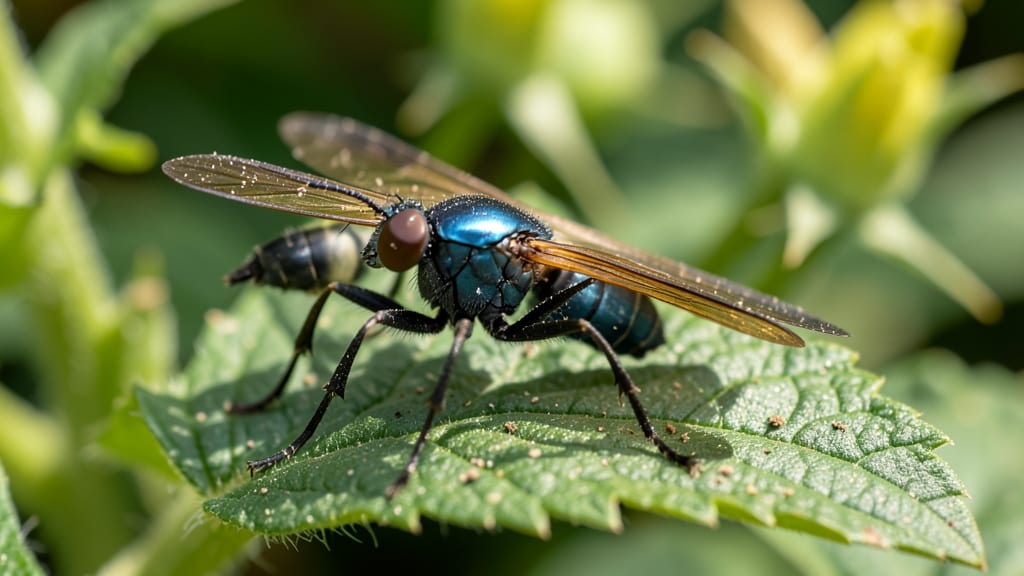
Your tomato plants are under siege—but the tiny wasps patrolling your garden might be the secret weapon you’ve overlooked. 🌱 These tomato worm wasps (specifically the parasitic Trichogramma species) are nature’s own pest control, laying eggs inside tomato hornworm larvae to break their life cycle before they devour your harvest.
The problem starts when hornworms strip leaves overnight, leaving behind their telltale green droppings. But here’s the twist: these wasps don’t harm your plants—they hunt the pests for you. One wasp can save dozens of tomatoes by disrupting the hornworm population within 2-3 weeks of introduction.
You’ll know they’re working when you spot fewer hornworms and more tiny white cocoons clinging to leaves. No chemicals needed—just release these wasps at dusk, keep them moist, and watch your plants rebound without the usual damage.
Works in home gardens, greenhouses, and even container setups. The best part? These wasps target only the pests, leaving bees and butterflies untouched. Let’s get your tomatoes back on track—naturally.
How Tiny Parasites Target Tomatoes
Tomato worm wasps—those tiny, unassuming insects—are nature’s secret weapon against destructive pests like hornworms and loopers. But why do they zero in on your tomato plants? The answer lies in their biological instincts, plant chemistry, and the survival strategies of their prey.
Understanding these triggers can help you harness their power more effectively. Here’s why these wasps show up when your tomatoes need them most.
Tomato worm wasps (like Cotesia congregata) don’t randomly attack plants—they’re drawn to specific chemical signals emitted by tomato plants under stress. When caterpillars like hornworms munch on your leaves, they trigger a chain reaction:
- Volatile Organic Compounds (VOCs): Damaged tomato plants release green leaf volatiles (like hexanal and (Z)-3-hexenol), which act like a distress signal. 🚨 These chemicals waft through the air, alerting wasps from miles away.
- Prey Pheromones: Hornworms and loopers produce frass (their poop!) and silk webbing, which contain pheromones that wasps recognize as "high-protein prey." 🐛💨 Think of it as a scent-based GPS for wasps.
- Nectar & Pollen: Adult wasps also need food. Tomato flowers provide nectar and pollen, giving them energy to hunt. Planting companion flowers like dill or fennel can attract even more wasps to your garden.
Actionable Tip: If your tomatoes aren’t getting visited by wasps, try lightly damaging a few leaves (without killing the plant) to boost VOC emissions. 🌿✨ (Yes, it’s weird—but it works!)
Not all caterpillars trigger wasp attacks. Tomato worm wasps prefer large, slow-moving larvae that are easy to parasitize. Here’s why your garden’s worst pests (like hornworms) are their favorite snacks:
| Caterpillar Trait | Why Wasps Love Them |
|---|---|
| Big size (1–4 inches) | Larger larvae provide enough energy for wasp larvae to develop. Tiny caterpillars? Too much work for too little payoff. 🍔🚫 |
| Slow movement | Wasps inject eggs into immobile prey. Fast-moving caterpillars (like some armyworms) are harder to catch. 🏃♂️💨 |
| Exposed feeding | Caterpillars that chew leaves openly (like hornworms) are easier to spot than those hiding in rolled leaves. 🌿👀 |
| High moisture content | Juicy larvae = better nutrition for wasp offspring. Drought-stressed plants with dehydrated pests? Wasps skip them. 💧🔥 |
Actionable Tip: If you’re raising wasps for release, avoid treating your garden with broad-spectrum pesticides—they’ll kill the caterpillars before the wasps arrive. 🚫💀 Instead, use Bt (Bacillus thuringiensis) sprays, which are safe for wasps but deadly to caterpillars.
Tomato worm wasps are cold-blooded and rely on environmental cues to time their attacks. Their activity peaks when:
- Temperatures are warm (70–85°F): Wasps are most active in daytime heat. Early morning releases of wasps are useless—they’ll just nap until afternoon. ☀️😴
- Humidity is moderate: Too dry? Wasps struggle to navigate. Too wet? Their wings get gummy. Aim for 40–60% humidity for optimal hunting. 💦🌡️
- Caterpillars are in the "right" stage: Wasps lay eggs in second- or third-instar larvae (about ½–1 inch long). If you release them too early or late, the caterpillars may pupate before the wasp larvae can eat them. ⏳🐛
Actionable Tip: Check your local degree-day accumulators (a tool gardeners use to track heat units). Tomato worm wasps typically become active when your area hits 500–700 growing degree days since the last frost. 📊🔥
Not all tomato gardens attract equal numbers of wasps. The reason? Local ecosystems and farming practices create either wasp-friendly or wasp-hostile environments. Here’s how:
- Diverse Plantings: Gardens with wildflowers, herbs, and native plants support wasp populations year-round. Monoculture tomato farms? Wasps avoid them. 🌼🚫
- Reduced Pesticide Use: Neonicotinoids and pyrethroids wipe out wasps along with pests. Organic growers see 30–50% more natural parasitism in their crops. 🎯💀
- Nearby Wild Areas: Wasps migrate from woodlands, meadows, and hedgerows. Gardens surrounded by developed land get fewer visitors. 🌳🏡
- Previous Year’s Success: If your garden had a hornworm outbreak last season, wasps will remember the "good hunting" and return. 🧠🔄
Actionable Tip: Create a "wasp highway" by planting dill, parsley, or Queen Anne’s lace near your tomatoes. These act as waypoints for migrating wasps. 🛣️🐝
Quick Fixes for Garden Pests
Discovering tiny wasps buzzing around your tomato plants might seem alarming, but these tomato worm wasp allies are actually your garden’s secret weapon against destructive pests. Instead of panicking, let’s turn the tables and use their natural instincts to protect your harvest—without harsh chemicals.
Below, we’ll break down the most common issues caused by their prey (like tomato hornworms) and provide practical, eco-friendly solutions to keep your garden thriving.
If your tomato plants are being devoured overnight, Manduca sexta (tomato hornworms) are likely the culprits—and tomato worm wasps are their natural enemies. Here’s how to encourage these beneficial wasps while keeping hornworm damage in check:
🍳 Handpick Hornworms Early
Start with the simplest (and most satisfying) method: manual removal. Check your plants daily, especially in the morning or evening when hornworms are sluggish. Look for:
- Large green caterpillars (up to 4 inches long) with white diagonal stripes
- Black "horns" on their rear ends (a dead giveaway!)
- Fecal droppings on leaves (a sign of heavy infestation)
Pro tip: Drop them into a bucket of soapy water to avoid attracting birds or other pests. 🌡️ (Wear gloves—some gardeners report mild skin irritation from their spines!)
👨🍳 Introduce Beneficial Wasps
Tomato worm wasps (like Cardiochiles nigriceps) lay their eggs inside hornworms, ensuring the pests never mature. To attract them:
- ✅ Plant companion flowers: Wasps love dill, fennel, and parsley. Add these to your garden’s edges to lure them in.
- ✅ Avoid broad-spectrum pesticides: These kill both pests and beneficial wasps. Opt for neem oil or Bt (Bacillus thuringiensis) sprays as last resorts.
- ✅ Leave some damage: A few hornworms = a buffet for wasps. Remove only the worst offenders.
🥘 Use Physical Barriers
For young plants or high-value crops, create a row cover with lightweight fabric to block adult moths (hornworm parents) from laying eggs. Secure edges tightly to prevent moths from sneaking in.
An ounce of prevention is worth a pound of cure—especially when it comes to hornworms. Here’s how to keep your tomato plants resilient:
🌱 Choose Resistant Varieties
Some tomato types are less appealing to hornworms. Try:
- Cherokee Purple (thick skin deters feeding)
- Brandywine (strong scent repels pests)
- Solar Fire (early-maturing, less vulnerable)
🌡️ Maintain Garden Hygiene
Reduce hiding spots for hornworm eggs by:
- Removing weeds and debris near tomato plants (eggs love to cling to rough surfaces).
- Pruning lower leaves to improve airflow and make it harder for moths to lay eggs.
- Rotating crops yearly to disrupt hornworm life cycles.
🎯 Boost Plant Health
Healthy tomatoes are less susceptible to pests. Feed your plants with:
- 📊 Compost or worm castings (rich in nutrients)
- 💪 Balanced fertilizer (high in phosphorus for flowering)
- 🥗 Mulch (retains moisture and deters egg-laying moths)
Remember: Tomato worm wasps are your unsung heroes. By fostering their presence and minimizing hornworm populations naturally, you’ll enjoy a bountiful harvest—without the need for toxic sprays. 🌿✨
Frequently asked questions
Are tomato worm wasps harmful to humans or pets?
Not at all! These tiny parasitic wasps pose zero threat to humans, pets, or beneficial insects like bees and butterflies. They target only destructive caterpillars like hornworms, making them a garden's silent protector. Their sting is too weak to penetrate human skin, and they avoid mammals entirely.
How do I tell if tomato worm wasps are actually working in my garden?
Look for white cocoons attached to leaves or caterpillars that appear sluggish or bloated—signs of wasp larvae developing inside. Within 1-2 weeks, you’ll see fewer hornworms and more empty cocoons (hatched wasps). Check undersides of leaves where pests hide.
Can I buy tomato worm wasps, and where should I release them?
Yes! Purchase them from garden supply stores or online as parasitic wasp cards (like Trichogramma or Cardiochiles). Release them at dusk near tomato plants, focusing on areas with hornworm eggs or small larvae. Avoid windy days—they need calm conditions to locate prey.
What should I do if my garden isn’t attracting these wasps naturally?
Create a wasp-friendly environment by planting dill, fennel, or parsley nearby for nectar, and avoid broad-spectrum pesticides that kill beneficial insects. Lightly damage a few tomato leaves (without killing the plant) to release distress signals that attract wasps—nature’s way of saying, "Help! Pests here!"
Will tomato worm wasps work in greenhouses or containers?
These wasps thrive in greenhouses and container gardens as long as temperatures stay between 70–85°F and humidity is moderate. Introduce them near active hornworm populations, and ensure there are companion plants (like basil) for nectar. Just avoid sealing containers completely—wasps need airflow to hunt.