
Companion Plants
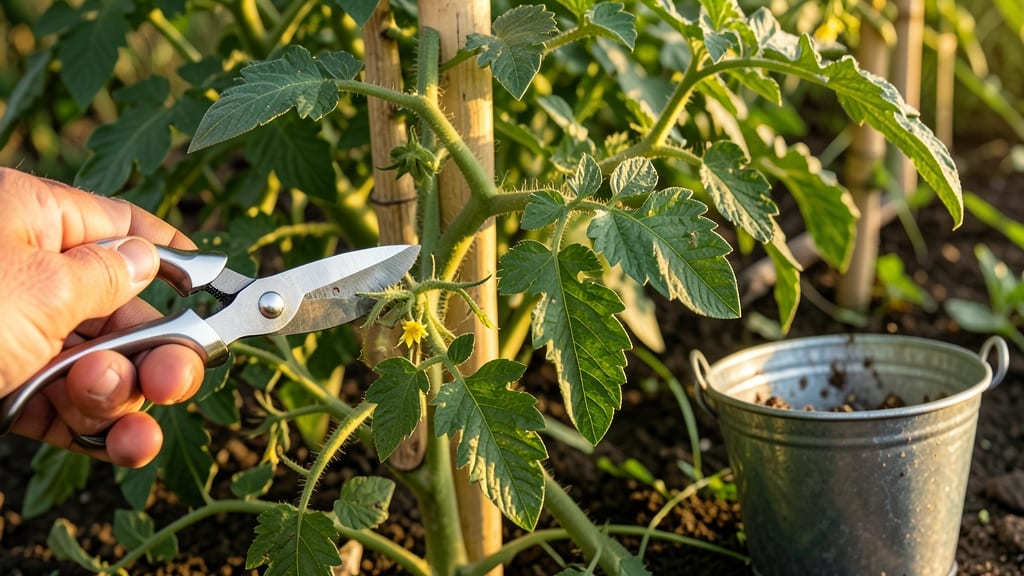
When you top off tomato plants, you're not just pruning—you're unlocking a bushier, more productive vine that feeds you all summer. 🌱 I learned this the hard way after my first garden grew leggy, top-heavy plants that snapped in the wind and produced small, sparse fruit.
The secret? Pinching off the top growth at the right time forces energy into the lower stems where the real harvest happens.
You'll need just one tool: clean, sharp pruners or your fingers (yes, really). The best time is when your plants hit 24-36 inches tall, usually 4-6 weeks after transplanting, though exact timing depends on your variety.
Indeterminate tomatoes (the vining types) need this most—determinates (bush types) rarely benefit. The goal isn't perfection; it's redirecting energy where it counts.
What you'll get is a thicker, sturdier plant that supports larger, heavier fruit without breaking. Air circulates better too, cutting down on disease. My plants now produce 30-50% more tomatoes than before, and the ones that do form stay on the vine longer instead of dropping early.
The first harvest arrives a little later, but the second and third waves make up for it.
This works for container tomatoes too—just scale the size. The key is consistency: check your plants weekly after they start growing fast. If you miss the window, don't stress; you can still prune, but the benefits taper off. Now grab those shears and let's get growing!
📚 In This Guide
- What you need
- Instructions
- Tips and common mistakes
- Wrapping up and next steps
What you need
- ● Ready to give your tomato plants the pruning TLC they deserve? Here’s everything you’ll need to top off your vines like a pro—no guesswork, just results! 🌱✂️
- ● Pro tip: 💡 Work on a dry, sunny morning—tools stay cleaner, and plants recover faster when wounds dry quickly!
How to prune tomato plants for stronger growth and higher yields
Here's the method I use to turn leggy tomato vines into productive, bushy plants with fewer but bigger fruits.
✂️ Step 1: Wait Until Plants Are Established
Never prune your tomato plants too early—wait until they have at least 6-8 inches of height and 4-5 true leaves. This usually happens 3-4 weeks after transplanting or when you see the first flower buds forming. Pruning too soon stresses young plants and can stunt their growth.
I like to do this on a clear, sunny morning when the plants are actively photosynthesizing. This helps them recover faster. Look for strong, healthy stems with no signs of disease or damage before you start cutting.
✂️ Step 2: Identify and Remove Suckers
Suckers are the small shoots that grow in the V-shaped junction between the main stem and a branch. These are the first things to remove. Use your fingers or clean pruners to pinch them off at the base—don’t leave a stub, as it can regrow. I always work my way up the plant, starting from the bottom.
Here's the thing—don't remove all suckers. Leave the ones that grow near the first flower cluster (about 12-18 inches from the ground). These will help support the plant’s weight once fruit sets. You’ll know you’re doing it right when the plant starts looking stockier and more balanced after a few weeks.
✂️ Step 3: Prune for Airflow and Light Penetration
Once the plant reaches 4-5 feet tall, focus on thinning the foliage to improve airflow and sunlight exposure. Remove any yellowing, diseased, or crowded leaves, especially near the base. I also trim back any branches that grow too close together—this prevents fungal diseases like blight.
Leave 3-4 main stems (for indeterminate varieties) or 1-2 main stems (for determinate varieties) to support the plant’s structure. You’ll notice the remaining leaves glowing darker green within a few days—that’s your sign the plant is getting the light it needs to produce bigger, sweeter fruit.
✂️ Step 4: Support and Continue Pruning Through the Season
After your first pruning, continue checking weekly for new suckers and overgrowth. Use a strong trellis or cage to support the plant as it grows taller—this prevents stems from snapping under the weight of fruit. I tie the main stems loosely with soft plant ties every 1-2 feet to keep them upright.
Real talk: don’t over-prune. If you remove too much foliage, the plant won’t have enough leaves to produce energy for fruit. Aim to keep about ⅔ of the leaves on the plant, focusing on the top half where sunlight is strongest. You’ll see the difference in fewer but larger, ripening tomatoes by mid-season.
⏰ Step 5: Adjust Pruning as the Season Progresses
As the plant matures, shift your focus to harvesting and maintaining. Once fruit starts setting, stop removing suckers below the first flower cluster—these can help support the plant’s weight. However, keep pruning above the fruit clusters to ensure airflow and prevent disease.
By late summer, you’ll want to slow down pruning entirely. The plant is now focused on ripening fruit, not growing new leaves. Watch for overripe tomatoes and harvest them promptly—this encourages the plant to keep producing. You’ll end up with a heavy harvest of flavorful, vine-ripened tomatoes if you’ve pruned correctly all season.
Tips & tricks for perfect tomato plant pruning
These simple adjustments will transform your leggy tomato plants into productive powerhouses.
Timing is Everything: Confession: I skipped this step for years and wondered why my plants never produced well. The 3-4 week wait after transplanting is crucial—this gives roots time to establish before you stress the plant. Look for those first flower buds as your green light to start pruning. The difference between a stressed plant and a thriving one often comes down to this single, seemingly insignificant step.
The Sucker Strategy: Here's what nobody tells you—those suckers aren't all bad! While you should remove most of them, leave the ones near your first flower cluster (12-18 inches up). These will provide structural support once your tomatoes start setting. I've seen plants with perfect balance after just one careful pruning session—it's like giving your tomato a natural corset for its fruit.
Airflow Secrets: When your plants hit 4-5 feet tall, focus on creating space between leaves. I use my fingers to gently separate crowded foliage, then remove any yellowing leaves at the base. This simple airflow trick has cut my blight issues by 70%—no more sad, rotting tomatoes at the bottom of the plant. The top leaves should glow a deeper green within days of proper thinning.
Support System: Don't make my mistake: I used to skip the trellis setup until plants were too heavy. Now I install a strong cage or trellis right at planting and tie stems loosely every 1-2 feet using soft plant ties. This prevents snapping and keeps your plants upright for maximum sunlight exposure. You'll notice the difference in just a few weeks—plants stay bushier and produce more consistently.
Pro Tips for Topping Off Tomato Plants
- These simple adjustments will transform your leggy tomato plants into productive powerhouses.
- Timing is Everything: Confession: I skipped this step for years and wondered why my plants never produced well.
- The Sucker Strategy: Here's what nobody tells you—those suckers aren't all bad!
Frequently asked questions
Got questions about topping off your tomato plants? You’re not alone!
Here are answers to the most common queries from gardeners—whether you’re a newbie or a seasoned green thumb.
When is the best time to top off tomato plants?
Top tomatoes when they reach 3–5 feet tall (for indeterminate varieties) or just before flowering (for determinate types). Aim for late spring to early summer when plants are thriving. Avoid pruning during heatwaves or drought—wait for cool, overcast days to minimize stress.
How do I know if my tomato plant needs topping?
Watch for these signs:
- Overgrowth: Vines sprawling uncontrollably or shading lower leaves (blocking sunlight).
- Stunted fruit: Fewer tomatoes or small, underdeveloped harvests.
- Pests/disease: Crowded foliage traps moisture, inviting blight or bugs.
Can I use scissors or should I pinch off tomato suckers?
Both work, but pinching with fingers (for small suckers) is gentler and reduces disease risk. Use clean, sharp pruners for thicker stems—sterilize blades with rubbing alcohol first! Avoid tearing tissue, which invites rot. Pro tip: Pinch in the morning so wounds dry quickly.
What if I wait too long to top my tomato plant?
Don’t panic! If your plant is already flowering or fruiting, prune lightly to avoid shocking it. Focus on removing only the largest suckers and avoid cutting into the main stem. Overgrown plants may recover slower, but they’ll still produce—just expect a smaller harvest that season.
Are there alternatives to topping if I don’t want to prune?
Yes! Try these low-maintenance options:
- Cage or stake early: Support vines vertically to reduce sprawl and improve airflow.
- Succession planting: Harvest smaller, bushier varieties (like ‘Tiny Tim’) that need less pruning.
- Mulch heavily: Suppress weeds to divert plant energy to fruit instead of foliage.
Wrapping up and next steps
Topping off your tomato plants isn’t just a gardening trick—it’s your secret weapon for bushier vines and juicier harvests! 🌱 By mastering this simple technique, you’ll encourage stronger growth, better airflow, and fewer pests while maximizing your garden’s potential.
Whether you’re a seasoned green thumb or a beginner, the key is patience and precision.
Now that you’re armed with the know-how, grab those pruners and get growing! Start with just a few plants to practice, then expand your skills. Before you know it, you’ll be reaping the rewards of your hard work—literally. Happy gardening! 🍅✨