
Plants
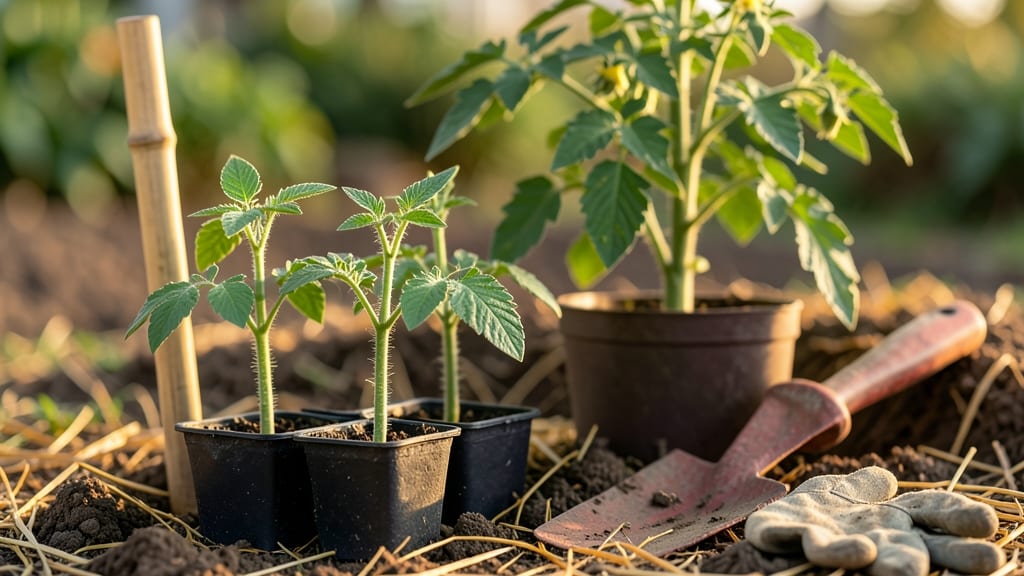
Planting tomato plants in Michigan after the last frost date is the key to a bumper harvest 🍅 — and getting it wrong means watching your plants wither in a single cold snap.
Timing is everything when growing tomatoes in Michigan—plant too early and frost will strike, too late and your harvest suffers. Avoid costly mistakes by mastering the perfect frost-free planting window for your specific zone.
Most Michigan gardeners wait until mid-May in USDA Zones 5b-6b, but soil temperature and microclimates can shift that window by weeks. I’ll break down the exact dates for your region, plus pro tips to stretch your growing season.
You’ll learn how to time starts indoors, when to harden off seedlings, and which varieties thrive in Michigan’s short but sweet summer. Let’s get those tomatoes in the ground the right way.
Michigan tomato planting dates by USDA hardiness zones (5-6)
Michigan's USDA Zones 5b-6b create a challenging but rewarding window for growing tomatoes. The last frost dates vary dramatically—from mid-April in southern Michigan to early May in the north. Getting this timing right means the difference between a bountiful harvest and wilted seedlings.
Tomatoes thrive when nighttime temperatures stay above 50°F and soil reaches 60°F. In Zone 5b, you'll need to start seedlings indoors as early as March 15 to transplant after frost. Meanwhile, Zone 6a/b gardeners can push planting dates 2-3 weeks later while still enjoying a full growing season.
Don't rely solely on calendar dates—track your local frost-free averages using tools like the Michigan State University Garden Hotline or Almanac's Frost Calculator. These resources account for microclimates that can shift planting windows by 10+ days even within the same zone.
| Zone | Avg Last Frost | Safe Planting Window | Heat Zone Notes |
|---|---|---|---|
| 5b (Detroit, Grand Rapids) | April 15-May 1 | May 10-June 1 | Short season; prioritize early varieties |
| 6a (Lansing, Kalamazoo) | April 20-April 30 | May 15-May 31 | Moderate season; good for mid-season varieties |
| 6b (Ann Arbor, Battle Creek) | May 1-May 10 | May 20-June 10 | Longest season; can try late varieties |
For Zone 5b gardeners, I recommend starting seeds indoors by March 1 and using row covers to extend the season. In Zone 6a/b, you can direct-sow after May 15 if your soil warms quickly, but transplanting seedlings still gives you a 2-week head start.
Heat zones matter just as much as frost dates.
Michigan's summer heat zones (based on 25+°F temperature swings) determine which tomato varieties will thrive. Zone 5b's cooler summers favor early-maturing varieties like 'Stupice' or 'Mountain Merit', while Zone 6b's longer heat can handle larger-fruited types such as 'Brandywine' or 'Cherokee Purple'.
Pro tip: Use black plastic mulch to warm soil faster—this can shift your planting window 7-10 days earlier. I've seen soil temperatures rise 10°F+ in just 3 days with this method. Pair it with drip irrigation to maintain consistent moisture during Michigan's unpredictable spring rains.
If you're in Zone 5b, consider succession planting every 2 weeks from May 1-June 1. This staggered approach ensures you'll have tomatoes ripening through August when first frost risks increase. For Zone 6a/b, you can push second plantings into early June for a late-summer harvest.
Always verify your local microclimate—urban areas like Detroit can be 2-3°F warmer than rural Zone 5b, while Great Lakes shorelines may experience delayed frost due to lake-effect cooling. Use weather stations or neighbor reports to fine-tune your timing.
Remember: Tomatoes need 70-90 days to mature, so count backward from your first frost date. In Zone 5b, that means planting by July 1 for a late harvest, while Zone 6b can safely push to July 15.
With the right timing, you'll enjoy homegrown tomatoes from July through September—well worth the planning!
Pro tips to extend Michigan’s short growing season for tomatoes
Michigan’s unpredictable spring weather can turn tomato gardening into a high-stakes game of chance—but with the right strategies, you can extend your harvest window by weeks. The key lies in protecting young plants and managing heat during the short summer.
I’ve learned that combining season-extending tools with smart planting techniques can turn Michigan’s 160-day frost-free window into a high-yielding tomato goldmine.
Even in USDA Zones 5b-6b, where last frosts can linger until early May, you can safely transplant seedlings 2-3 weeks earlier than the average calendar date.
My secret? Cold-hardy varieties like 'Stupice' and 'Mountain Merit' paired with row covers or mini hoop tunnels let me start planting by mid-April in protected beds. This early start means earlier fruit and a longer harvest before fall frosts arrive.
- Use row covers (like floating fabric) to protect seedlings until soil warms to 60°F. These create a 5-10°F warmer microclimate, accelerating growth by 2-3 weeks.
- Cold frames or cloches let you plant 4-6 weeks earlier. Place them over dwarf varieties like 'Tiny Tim' for earlier harvests and fall protection.
- Succession planting every 2 weeks after the last frost ensures a continuous harvest. Space out early, mid, and late-season varieties (e.g., 'Early Girl' + 'Better Boy' + 'Brandywine').
- Black plastic mulch warms soil 5-10°F faster than bare earth. Lay it 2 weeks before planting to jumpstart growth in cool springs.
- Choose heat-tolerant varieties like 'Solar Fire' or 'Heatmaster' for late-season harvests. These thrive in 90°F+ temps when other plants bolt.
For late-season success, I swear by black plastic mulch combined with drip irrigation. The mulch absorbs and retains heat while suppressing weeds, and the drip system delivers consistent moisture without wetting foliage—critical for disease prevention in Michigan’s humid summers.
I’ve seen tomatoes ripening in October using this combo, even when nighttime temps dip into the 40s°F.
Don’t overlook succession planting as your secret weapon. Instead of betting everything on one planting date, stagger 3-4 batches of seedlings every 10-14 days after your last frost. This ensures continuous fruit production from July through September.
My go-to varieties for this strategy are 'Early Girl' (60 days), 'Celebrity' (70 days), and 'Brandywine' (85 days)—each maturing at different times for a non-stop harvest.
When fall frosts threaten (usually by mid-October), rush to harvest green tomatoes and ripen them indoors. Place them in a paper bag with a banana (for ethylene gas) on a sunny windowsill.
I’ve had 'Beefsteak' tomatoes fully ripen in 2-3 weeks this way—proof that Michigan’s short season doesn’t have to mean a short harvest.
Protecting your plants from late blights and early frosts is non-negotiable. I’ve found that removable fabric row covers (like Agribon) work wonders—just remove them during pollination (when flowers appear) to prevent fruit set issues.
For extreme cold snaps, a clear plastic tunnel over cages can add 15°F of protection.