
Plants
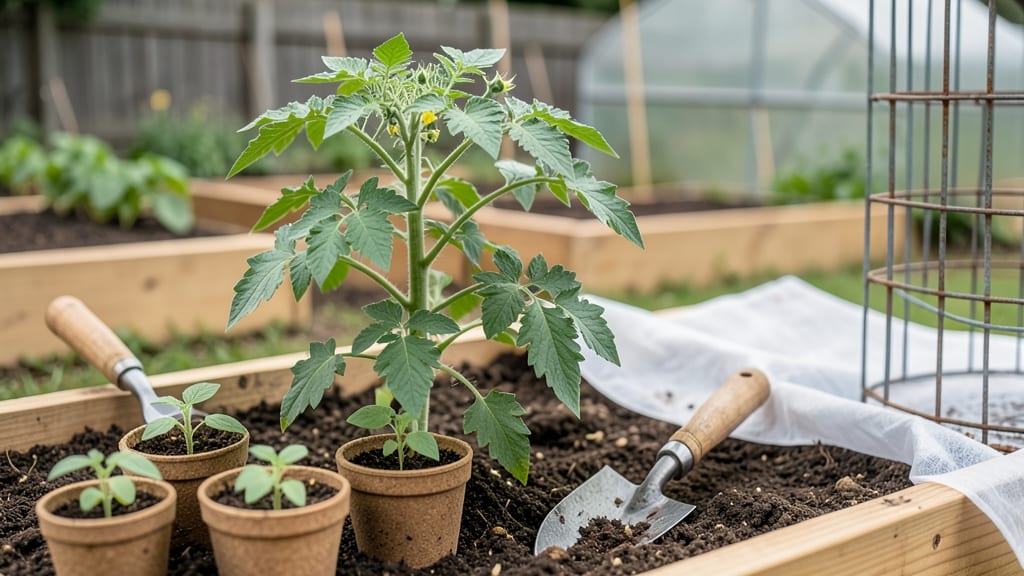
Planting tomato seeds in Michigan means timing them perfectly to beat frost and maximize your harvest—start them indoors 6-8 weeks before your last frost date (typically by March 15 for most of the state).
Michigan gardeners know timing is everything—plant tomato seeds too early, and frost will kill your dreams; too late, and you’ll miss the harvest season. Mastering the perfect window for planting in USDA Zone 5b-6b can mean the difference between a thriving garden and a disappointing flop.
This isn’t just about dates—soil temperature matters too. Wait until the ground warms to at least 60°F before transplanting outdoors, usually after May 15. The Great Lakes can delay frost, but a late cold snap will still set back your plants.
Below, I’ll break down the exact indoor start dates, outdoor transplant windows, and how to adjust for Michigan’s unpredictable spring. You’ll also learn which tomato varieties thrive here and how to extend your harvest season.
Michigan tomato seed planting timeline: exact dates by indoor vs outdoor methods
Michigan’s USDA Zone 4 climate demands precision when planting tomato seeds. The Great Lakes create microclimates where frost can linger until mid-May, while southern regions may see earlier thawing.
To avoid losing your tomato plants to frost or missing the harvest window, I’ve broken down the exact timeline for both indoor seed starting and outdoor transplanting—plus how to adjust for Michigan’s unpredictable spring. 🌱
For indoor seed starting, the magic window begins 4-6 weeks before your last frost date. In Michigan, this typically means starting seeds between March 15th and April 15th.
However, northern regions (like Traverse City) may need to start seeds as early as March 1st, while southern areas (like Detroit) can wait until April 1st. Seedlings need 6-8 hours of light daily—use grow lights if natural light is insufficient. 💡
Outdoor planting only happens after May 15th, but this isn’t a hard rule. Always check your local frost probability (tools like the National Weather Service or Michigan State University Extension provide real-time data).
Soil temperature must reach 60°F+ for roots to establish properly. Cold soil slows germination and invites disease risks. Use a soil thermometer to confirm—don’t guess! ✅
| Method | Start Date (Zone 4) | Key Considerations | Outdoor Window |
|---|---|---|---|
| Indoor Seed Starting | March 15–April 15 | Use grow lights; maintain 70–75°F soil temp; harden off seedlings 1 week before transplanting. | N/A |
| Northern MI (e.g., Traverse City) | March 1–March 15 | Later frost risk; extend growing season with row covers or cold frames. | May 20–June 1 |
| Southern MI (e.g., Detroit) | April 1–April 15 | Warmer microclimates; monitor for early pests like aphids. | May 10–May 15 |
| Direct Outdoor Sowing | April 20–May 10 (with protection) | Only for heat-loving varieties; use black plastic mulch to warm soil faster. | After May 15 (90% frost-free) |
| Container Gardening | April 1–April 15 (indoors) | Use 5-gallon pots; move containers outdoors after last frost. | May 15–June 1 |
If you’re direct-sowing seeds outdoors, the window is narrower: April 20–May 10, but only with row covers or black plastic mulch to accelerate soil warming. This method works best for heat-loving varieties like 'Celebrity' or 'Better Boy,' but seedlings are vulnerable to late frosts.
I recommend saving direct sowing for succession planting of fast-maturing varieties like 'Stupice' in late June for a fall harvest. 🌿
For container gardening, start seeds indoors by April 1st and transplant into pots by May 15th. Containers warm up faster than garden beds, so you can push the timeline slightly. Just ensure pots have drainage holes and use a lightweight potting mix to prevent root rot.
Move containers to a south-facing porch or patio at night if temperatures dip below 50°F. 🪴
One of the biggest mistakes Michigan gardeners make is ignoring soil temperature. Even if air temps are warm, cold soil can stall germination. Use a soil thermometer ($10 at garden centers) to confirm 60°F+ before planting.
If soil is too cold, wait—rushing leads to leggy, weak seedlings that struggle to recover. Pro tip: Black plastic mulch can raise soil temps by 10–15°F in just a few days. ☀️
Don’t forget to harden off seedlings for 7–10 days before transplanting. Start by moving them outdoors for 2–3 hours daily, gradually increasing exposure. Skip this step, and seedlings go into shock, stunting growth.
On transplant day, plant deeper than recommended—bury stems up to the first leaves. This encourages stronger root systems and compensates for Michigan’s short growing season. ✂️
For extended harvests, consider succession
5 Critical factors that determine your Michigan tomato planting success
Timing your tomato seeds in Michigan's Zone 4 isn't just about dates—it's about understanding your garden's unique conditions. While the average last frost date falls around May 15th, your microclimate could shift that window by weeks.
Urban areas often warm faster than rural spots due to the urban heat island effect, while lakeside gardens may experience delayed warming. These variations mean blindly following a calendar can backfire big time.
Let's break down the five critical factors that separate successful Michigan tomato harvests from disappointing failures. From soil temperature thresholds to microclimate quirks, these elements will help you fine-tune your planting schedule like a pro.
The key is combining historical frost data with real-time conditions for a planting strategy that actually works in your backyard.
Tomato seeds need 60°F+ soil to germinate properly. Use a soil thermometer to verify—cold soil delays germination and invites disease. In Michigan, this typically means waiting until late May for direct sowing, even if air temperatures seem warm.
Never rely on average frost dates—check the National Weather Service's frost probability maps for your specific location. A 10% frost risk in early May might be worth taking for early varieties, while 30% risk should delay planting until late May.
A south-facing wall can add 10°F to your microclimate, while a north-facing garden may stay colder for weeks. Urban gardens often warm 2-3 weeks earlier than rural areas. Walk your property in late afternoon to identify these microclimates before planting.
Check the 7-day forecast before transplanting—even a 50°F night can shock young plants. Use the National Weather Service's point forecast for your exact location, not just your city's average. A cold snap can set back your plants by weeks.
Before planting, ask: What's my frost risk? Is my soil warm enough? Do I have backup protection? (Row covers, cold frames, or a greenhouse can extend your season by 2-3 weeks in Zone 4.) Document your results each year to refine your timing.
Microclimates play an enormous role in Michigan gardening. For example, Detroit's urban core might see tomatoes thrive with early May plantings, while rural UP Michigan could face frost risks well into June.
I once had a neighbor in Ann Arbor harvest tomatoes from plants started in early April—while just 10 miles north, their identical plants failed due to a late frost. The difference? A stone wall that created a microclimate warm enough for early planting.
To fine-tune your schedule, start by tracking your local frost dates for 3-5 years. Note when your soil hits 60°F consistently and when the last frost actually occurs in your specific spot. Combine this with the National Weather Service's frost probability maps to create a personalized planting calendar.
For example, if your area has a 20% frost risk on May 10th, you might safely plant heat-loving varieties like 'Better Boy' then—but hold off with more sensitive types.
Remember, Zone 4 gardeners have the shortest growing seasons in the U.S., so every day counts. By mastering these five factors, you'll transform guesswork into a data-driven approach that maximizes your tomato harvest potential. The payoff? Ripe, flavorful tomatoes when other gardeners are still waiting for their plants to mature.