
Plants
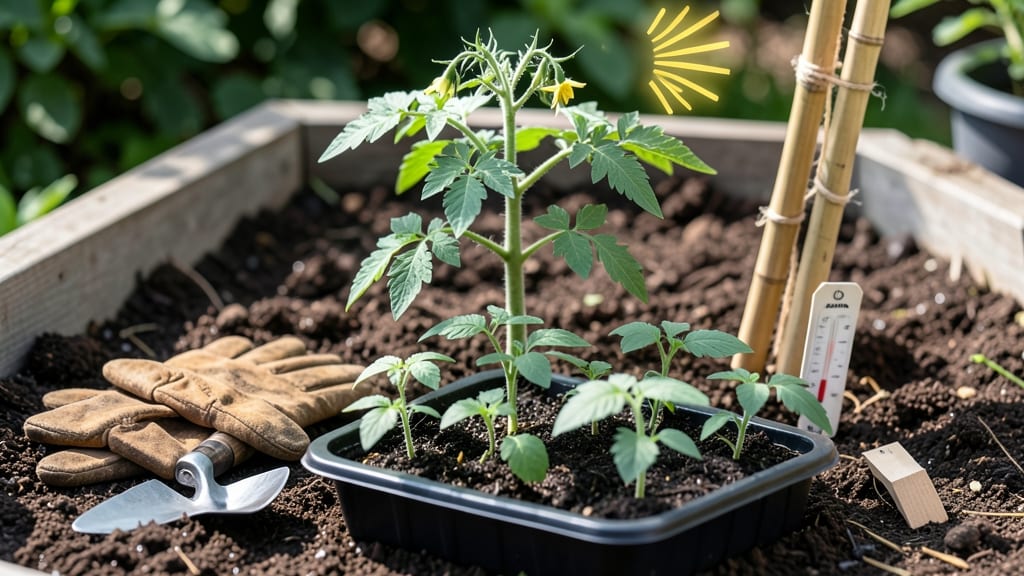
To plant tomato seeds in Oregon, start them indoors 6-8 weeks before your last frost—typically mid-February for coastal areas and early March inland.
Oregon’s mild but unpredictable climate can make timing tomato seed planting a tricky balance—plant too early and risk frost damage, too late and miss peak harvests. Mastering the perfect window ensures lush, productive 🍅 tomato plants all season long.
Most gardeners in USDA Zones 8a-9a aim for outdoor transplants by mid-April, but coastal regions like the Willamette Valley can start earlier, while inland valleys should wait until May. Soil temperature is the real game-changer—wait until it hits 60°F+ before moving seedlings outside.
Below, I break down the exact planting timeline by zone, how to adjust for microclimates, and the best varieties for Oregon’s short but sweet growing season. You’ll leave here with a foolproof schedule that guarantees a bountiful harvest from July to October.
Oregon’s best tomato seed planting timeline by USDA Zone 8-9
Oregon’s USDA Zones 8-9 offer gardeners a 6-8 month growing season, but timing is everything for tomatoes. The last spring frost typically arrives between mid-April and early May, while the first fall frost hits mid-October to November.
To maximize your harvest, align your planting with these critical temperature shifts—whether starting seeds indoors or sowing directly in the garden.
For Zone 8-9 gardeners, the sweet spot begins 6-8 weeks before your last frost date. This means indoor seed-starting should kick off in late February to early March, while direct sowing can wait until mid-April to early May.
The key is balancing seedling maturity with soil warmth—tomatoes thrive when soil temps hit 60°F+.
Here’s your Oregon-specific timeline for tomato seed planting, broken down by indoor vs. outdoor methods and variety types (determinate vs. indeterminate). Use this as your roadmap to avoid frost damage or missed harvests.
If you’re growing determinate tomatoes (like 'Roma' or 'Celebrity'), they’re faster to mature (60-70 days) and perfect for direct sowing in late April. These varieties thrive with shorter daylight and are ideal for cooler microclimates like the Willamette Valley.
For indeterminate types (e.g., 'Sungold' or 'Brandywine'), start seeds indoors by late February—they need 80+ days to bear fruit and benefit from an extended season.
Pro tip: Use Oregon’s microclimates to your advantage. Coastal areas (e.g., Astoria) can plant 2-3 weeks earlier than inland valleys like Bend. Check your local frost dates via the Oregon State University Extension or Almanac for precision timing.
A soil thermometer is your best friend—tomatoes won’t germinate below 55°F, and seedlings stall in cold soil.
For Zone 9 gardeners (like Medford), you can push the envelope further. Start seeds in early February and transplant by mid-March if you’re using row covers or a cold frame.
This gives you a 100+ day growing window and room for two plantings: one in February-March and another in June for fall harvests.
Remember: Oregon’s unpredictable weather means flexibility is key. If a late frost threatens, have row covers or a greenhouse ready. For
5 Critical factors that change Oregon tomato planting dates
Oregon’s diverse climate—from the Willamette Valley’s damp coastal air to Eastern Oregon’s arid high desert—means no single planting date fits all. Even within USDA Zone 8-9, microclimates can shift your ideal window by weeks.
Understanding these five factors will help you avoid frost damage or missed harvests while maximizing your tomato yield.
First, soil temperature is non-negotiable. Tomato seeds need soil at 60°F or warmer to germinate, but Oregon’s spring soil often lingers in the 50s°F until late April or May. Planting too early risks rot and poor germination.
Meanwhile, determinate varieties (like 'Roma') thrive with early starts, while indeterminate types (like 'Sungold') need warmer soil to avoid stunted growth.
Next, local frost dates dictate your timeline. Coastal areas like Astoria may see last frosts in late March, while Bend’s high desert averages mid-May.
Adjust your seed-starting schedule accordingly—indoor starts should begin 6-8 weeks before your expected last frost, but outdoor transplants need to wait until nighttime temps stay above 50°F consistently.
Don’t overlook tomato variety maturity. Fast-maturing 60-day varieties (e.g., 'Early Girl') can handle later starts, while 90-day heirlooms (e.g., 'Brandywine') need early planting to ripen before fall frosts. In Eastern Oregon, where growing seasons are shorter, prioritize early-maturing types or use row covers to extend harvests.
Weather patterns also play a role. The Willamette Valley’s frequent spring rains can delay soil warming, while Southern Oregon’s Mediterranean climate offers drier, warmer springs. Check your local NOAA frost probability maps and adjust planting dates if your area trends cooler or wetter than averages.
Finally, elevation and aspect matter. South-facing slopes warm faster, while north-facing gardens stay cooler longer. If your yard sits in a low-lying area, frost risk increases—consider row covers or a cold frame to protect early transplants.
Conversely, high-desert gardens may need shade cloth in summer to prevent sunscald on fruits.
- 1 Soil Temperature: Wait until soil reaches 60°F+ (use a soil thermometer); coastal areas lag 2-3 weeks behind inland zones.
- 2 Last Frost Date: Coastal Oregon: late March–April; Eastern Oregon: mid-April–May. Start seeds indoors 6-8 weeks before your local date.
- 3 Variety Maturity: Determinate (e.g., 'Roma') = 60-70 days; indeterminate (e.g., 'Brandywine') = 80-120 days. Match variety to your frost-free window.
- 4 Microclimate Risks: Valley floors = frost pockets; south slopes = earlier planting. Use row covers for 2-3 weeks after transplanting in high-risk areas.
- 5 Weather Trends: Check 10-year averages for your area—some zones (e.g., Southern Willamette Valley) have warmer springs than others. Adjust dates if your area trends cooler/wetter.
To assess your risks, ask: When was my last frost this year? (Check Oregon State University’s frost maps.) What’s my soil’s warming rate? (Test with a soil thermometer.) Am I growing early vs. late varieties? For example, in Portland, start indeterminate seeds indoors in late February but hold off until mid-May for outdoor planting.
In Baker City, delay starts until early April indoors and late May outdoors.
Pro tip: Use a planting date calculator like the one from Johnny’s Selected Seeds and input your zip code for hyper-localized advice. Pair this with a garden journal to track your own frost dates—Oregon’s climate shifts yearly, and your notes will refine future timing.