
Plants
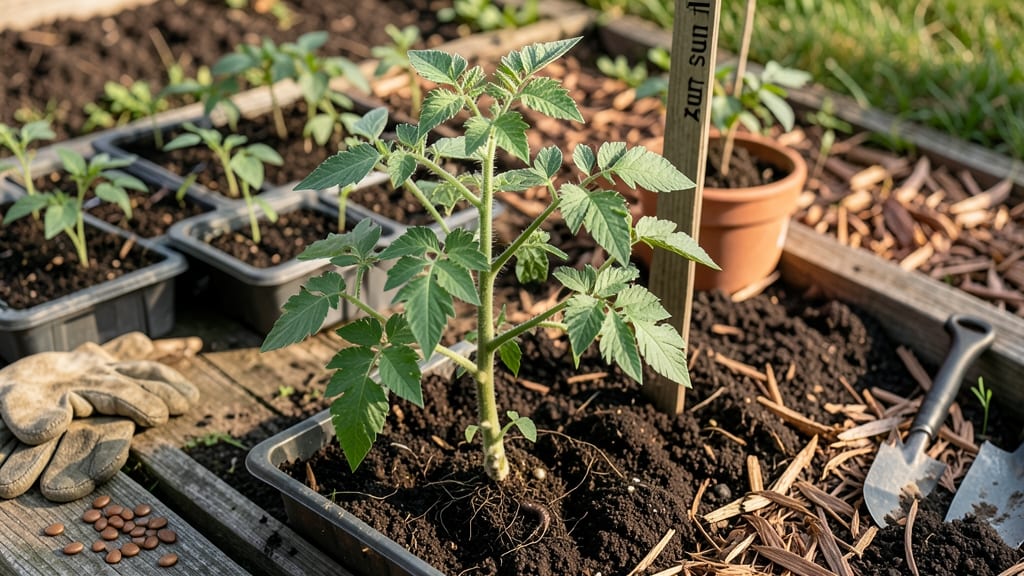
Planting tomato seeds in Texas at the right time means the difference between a lush, fruit-laden vine 🍅 and a sad, stunted plant that never bears a single ripe tomato.
Here’s the catch: Texas isn’t one climate—it’s three. North Texas gardeners wait until mid-March, while Gulf Coast growers can start as early as January. Miss the window, and you’re either racing against frost or wilting under summer heat before the first fruit even sets.
In this guide, I’ll break down the exact planting windows for your USDA zone, whether you’re starting seeds indoors or sowing directly into the soil. You’ll also learn how to adjust for Texas’ quirks—like unpredictable late frosts or soil that heats up faster than a summer sidewalk.
Skip the guesswork and get the zone-specific timing you need to turn your Texas garden into a tomato powerhouse this season.
Texas USDA zone planting calendar for tomato seeds: exact dates by region
Texas gardeners know timing is everything when planting tomato seeds—especially with our diverse USDA zones from 7a to 10a. The wrong schedule can mean frost damage in North Texas or stunted growth from summer heat in the Gulf Coast.
My exact planting calendar breaks down the best windows for each region, including indoor seed-starting timelines and outdoor transplant dates tailored to your location.
Whether you're in North Texas (Dallas/Fort Worth), Central Texas (Austin/San Antonio), or the Gulf Coast (Houston), this guide ensures you plant at the perfect time for healthy seedlings and maximum yields.
I’ll also highlight heat-tolerant varieties that thrive in Texas’ intense summers, so you can avoid common pitfalls like blossom drop or sunscald.
For North Texas gardeners in zones 7a-8a, your last frost typically hits around March 15. That means you should start tomato seeds indoors between February 15 and March 15 to give seedlings enough time to mature before transplanting outdoors in late March or early April.
If you’re in Dallas or Fort Worth, consider using row covers or black plastic mulch to warm the soil faster and extend your season.
In Central Texas (Austin/San Antonio), where zones 8a-9a dominate, you can plant seeds indoors as early as January 15. Transplant outdoors between February 20 and March 15 for a head start on the growing season.
This region benefits from longer frost-free periods, but early spring can still bring unexpected cold snaps—always have frost cloth on hand for protection.
Gulf Coast gardeners in zones 9a-10a have the advantage of earlier planting. Start seeds indoors by December 15 and transplant outdoors as early as January 20. The Houston area rarely sees frost, so you can even direct sow seeds in February if soil temperatures stay above 65°F.
However, watch out for humidity-related diseases like early blight—proper spacing and airflow are key.
No matter your zone, soil temperature is your best guide for outdoor planting. Use a soil thermometer to confirm it’s at least 60°F before transplanting seedlings. In cooler zones, black plastic mulch can raise soil temps by 5-10°F, giving your tomatoes a faster start.
For direct sowing, wait until soil hits 70°F to avoid poor germination.
Pro tip: If you’re in a warmer zone (9a-10a), consider planting heat-tolerant varieties like 'Heatmaster' or 'Solar Fire' for summer harvests. These varieties can handle 95°F+ temperatures without dropping blossoms. Pair them with shade cloth during peak heat to prevent sunscald on fruits.
Remember, Texas’ unpredictable weather means flexibility is key. Always monitor local frost forecasts and adjust your timeline if late cold snaps threaten. With this calendar, you’ll be ready to plant tomato seeds at the perfect moment for your region—ensuring a bountiful harvest from spring to fall. 🌱
5 Critical factors that determine your tomato planting success in Texas
Planting tomatoes in Texas isn’t just about picking a month—it’s about understanding soil temperatures, frost risks, and urban heat islands that can scorch seedlings. Unlike cooler climates, Texas’ 60°F soil threshold for germination is non-negotiable, and spring frosts can strike even in March.
I’ve learned the hard way that skipping these factors means wasted effort (and sad, crispy plants).
First, soil temperature is your #1 priority. Tomato seeds need consistent 60°F+ soil to germinate—colder soils delay sprouting or kill seedlings. In North Texas, this often means waiting until mid-April for direct sowing, while Gulf Coast gardeners can start in February. Use a soil thermometer to check before planting.
Next, frost risk maps aren’t just for winter. Texas’ unpredictable spring frosts (even in April!) can wipe out young plants. The North Texas average last frost is March 15, but I’ve seen frost warnings pop up in May.
Protect seedlings with row covers or move pots indoors if temps dip below 32°F.
Here’s what you absolutely must consider before planting:
Tomato seeds need 60°F+ soil to germinate. Use black plastic mulch to warm soil 5-10°F faster in cooler zones.
North Texas: March 15 avg frost. Central Texas: Feb 15. Gulf Coast: Jan 15. Always check weekly forecasts—spring frosts happen!
Choose ‘Heatmaster’ or ‘Solar Fire’ for zones 9-10. Avoid ‘Early Girl’—it bolts in 90°F+ heat.
Concrete absorbs heat—urban gardens can be 10°F hotter. Plant in shade cloth or use drip irrigation to cool roots.
Acclimate seedlings to outdoor temps over 7-10 days before transplanting. Skip this, and shock kills 50%+ of plants.
Don’t overlook urban microclimates, either. Concrete sidewalks and buildings create heat islands that can bake seedlings in 90°F+ shade. I’ve seen tomato plants in downtown Austin wilt while identical ones in nearby parks thrived. Solution? Use shade cloth (30-50%) or plant near trees for afternoon shade.
Finally, hardening off seedlings is non-negotiable. Move them outdoors for 2-3 hours/day starting 10 days before transplanting, gradually increasing exposure. Skipping this step means shocked plants that bolt or die within days. Trust me—I’ve lost entire batches by rushing this step.
Master these five factors, and your Texas tomato harvest will be bigger, healthier, and more reliable than ever. Start with soil temps, watch the frost alerts, and adjust for your microclimate—your future juicy heirlooms depend on it! 🌱