
Companion Plants
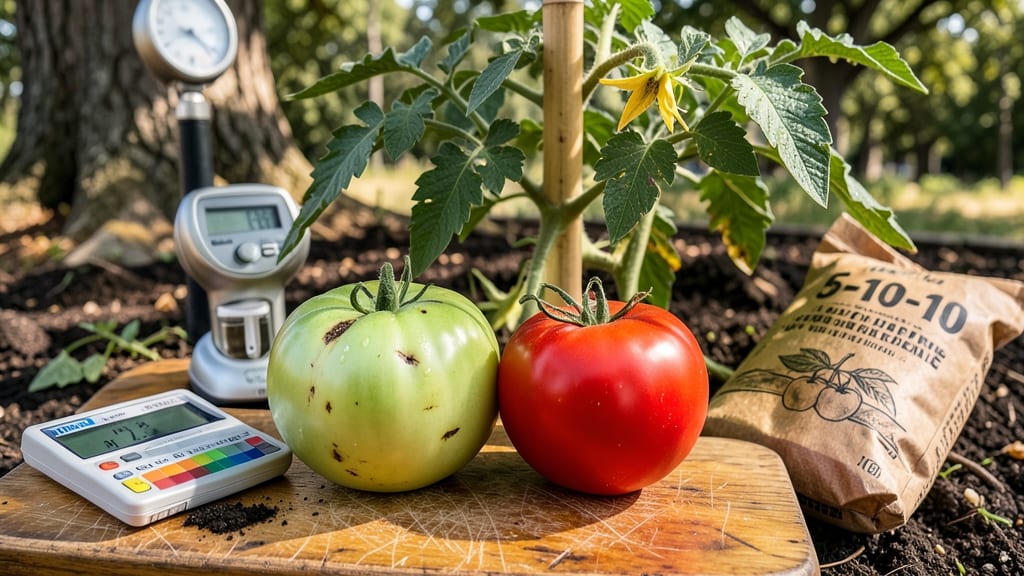
Your tomato plants are begging for sunlight and warmth to turn red—but they’re not listening. 🌱 The truth is, ripening depends on more than just good care; it’s a delicate balance of light, temperature, and even the plant’s own energy.
I’ve seen lush green tomatoes stay stubbornly pale for weeks (yes, even with perfect watering), and the fix often comes down to one overlooked factor.
The most common culprits are insufficient sunlight (tomatoes need 6-8+ hours of direct sun daily) and cool nights (below 55°F slows ripening). Even overwatering or poor soil fertility can trick plants into focusing on growth instead of fruit color.
The good news? Most of these issues have simple fixes—like moving plants, adjusting watering, or using black plastic mulch to trap heat.
By the end of this, you’ll spot exactly what’s holding your tomatoes back and how to force ripening—whether it’s a quick fix or a seasonal adjustment. The first step? Check your plants’ location and temperature logs (yes, I keep a notebook too).
For stubborn cases, we’ll talk about harvesting green tomatoes and ripening them indoors—no wasted effort here. Let’s get those reds happening!
Why it happens
If your tomato plants are loaded with green (or even yellow) fruit but refuse to blush red, don’t panic—you’re not alone! 🍅🌱 The issue usually boils down to a mix of environmental, physiological, and even genetic factors.
Understanding these causes is the first step to fixing the problem and finally enjoying that juicy, vine-ripened harvest. Let’s break down the science behind why your tomatoes are playing hard to turn red.
🌡️ Insufficient Heat or Cool Temperatures
Tomatoes are tropical plants at heart, and they need consistent warmth to trigger the ripening process. The enzyme lycopene—the pigment responsible for that classic red color—only activates when temperatures stay between 70°F and 85°F (21°C–29°C) during the day and above 55°F (13°C) at night.
If nights dip below 55°F or days hover in the 60s, ripening grinds to a halt. Even worse? Frost or sudden temperature swings can cause green tomatoes to drop off the vine entirely.
Actionable fix:
- Use row covers or black plastic mulch to trap heat in the soil and protect plants from chilly nights.
- Choose heat-tolerant varieties like ‘Solar Fire,’ ‘Heatmaster,’ or ‘Sun Gold’ if your climate runs hot or unpredictable.
- Harvest green tomatoes early and ripen them indoors with a banana or apple (ethylene gas speeds up the process!).
☀️ Lack of Direct Sunlight
Tomatoes are sun-worshippers, and without 6–8+ hours of full sun daily, they simply won’t ripen properly. Shady spots lead to chlorophyll dominance (the green pigment stays in control), while partial shade can cause uneven coloring or fruit that stays pale yellow or greenish-red.
Even dappled sunlight (like under tall trees) can trick tomatoes into thinking it’s time to set flowers instead of ripen fruit.
Actionable fix:
- Move potted tomatoes to a sunnier location or prune nearby plants blocking light.
- Use reflective mulch (like white plastic) to bounce extra sunlight onto leaves.
- If space is tight, opt for compact determinate varieties (like ‘Patio’ or ‘Tiny Tim’) that can thrive in containers with adequate light.
💧 Water Stress or Overwatering
Watering is a double-edged sword for tomato ripening. Too little water causes physiological stress, which diverts energy away from fruit maturation. Too much? Root rot or blossom-end rot can occur, and excess moisture in the soil delays ethylene production—the natural hormone that kickstarts ripening.
Even inconsistent watering (like drought followed by a heavy drink) can lead to uneven ripening or cracked fruit.
Actionable fix:
- Water deeply and consistently—aim for 1–1.5 inches per week, delivered at the soil level (not the leaves) to avoid fungal issues.
- Use drip irrigation or soaker hoses to maintain steady moisture without overwatering.
- Mulch with straw or wood chips to retain soil moisture and regulate temperature.
🌱 Nutrient Imbalances: Too Much Nitrogen
If your tomatoes are leafy but fruitless (or fruit that never turns red), you might be overdoing it with nitrogen-rich fertilizers. While nitrogen fuels lush foliage, excess N delays ripening by encouraging vegetative growth over fruit production.
Tomatoes need a balanced NPK ratio (e.g., 5-10-10 or 3-4-6), with more phosphorus (P) and potassium (K) to support flowering and fruiting.
Actionable fix:
- Switch to a low-nitrogen, high-phosphorus fertilizer (like bone meal or a tomato-specific blend) when flowers appear.
- Side-dress with compost or aged manure for a slow-release nutrient boost.
- Avoid fresh manure or high-nitrogen amendments (like blood meal) after flowering begins.
🍄 Pests or Diseases Disrupting Growth
Certain pests and diseases steal nutrients or damage the plant’s ability to produce ethylene, the ripening trigger. For example:
- Hornworms or aphids can defoliate plants, reducing photosynthesis and energy for fruit.
- Blossom-end rot (from calcium deficiency or uneven watering) causes fruit to rot before ripening.
- Fungal diseases like early blight or septoria leaf spot stress the plant, diverting resources away from fruit maturation.
Actionable fix:
- Inspect plants weekly for pests and handpick hornworms or spray with neem oil for aphids.
- Apply calcium-rich amendments (like crushed eggshells or gypsum) to prevent blossom-end rot.
- Rotate crops annually and remove diseased foliage to prevent spread.
🌿 Genetic Variety Limitations
Not all tomatoes are created equal! Some varieties are bred for flavor, disease resistance, or early harvests—not color. For example:
- Green tomatoes (like ‘Green Zebra’ or ‘Pineapple’) are meant to stay green and are best eaten raw.
- Yellow or orange tomatoes (like ‘Sun Gold’ or ‘Brandywine’) ripen to their natural hue, not red.
- Heirloom or hybrid varieties may have slower ripening times or require more specific conditions.
If you’re growing a non-red variety, don’t stress—it’s normal! But if you planted a classic red tomato (like ‘Cherry Roma’ or ‘Beefsteak’) and it’s refusing to turn, the issue likely lies elsewhere on this list.
🔄 Ethylene Blockers in the Environment
Ethylene is the magic hormone that signals tomatoes to ripen, but certain factors can block or slow its production:
- Ethylene-absorbing fruits (like apples or pears) stored near tomatoes can inhibit ripening if not separated.
- Certain pesticides or fungicides may interfere with plant hormones, delaying color change.
- High humidity or poor air circulation can reduce ethylene effectiveness.
Actionable fix:
- Store ethylene-producing fruits away from tomatoes (or remove them if ripening indoors).
- Choose organic or low-residue sprays to avoid hormone disruption.
- Ensure good airflow around plants to prevent fungal buildup and improve ethylene diffusion.
Quick Fixes for Blushing Tomatoes
Got green tomatoes clinging to the vine like they’re afraid to change? Don’t worry—your plants aren’t being stubborn. With a few targeted tweaks, you can coax them into that juicy red glow. Below, we’ll match common culprits to practical, no-fuss solutions (plus how to keep them ripe next season).
Problem: Tomatoes need 6–8+ hours of direct sunlight daily to trigger ripening. Shady spots = sad, green fruits. Fix It:
- 🔥 Relocate plants to a sunnier spot immediately—even a few extra hours make a difference.
- 🍳 Prune nearby shade-makers (trees, fences, or overgrown companions like corn or sunflowers).
- 👨🍳 Use reflectors (like white plastic sheeting or aluminum foil) to bounce light onto the plant’s underside.
- ⏰ Extend daylight in short-season areas with a grow light (LED or fluorescent) for 12–14 hours/day.
💡 Prevention Tip: Plant tomatoes in the sunniest, most sheltered spot in your garden—even if it means sacrificing a less productive bed.
Problem: Tomatoes stop ripening below 50°F (10°C). Chilly nights or early frosts halt the process. Fix It:
- 🔥 Cover plants at night with frost blankets or row covers (even lightweight fabric helps).
- 🍳 Build a mini greenhouse with a cold frame or cloche over the plant.
- 👨🍳 Move potted tomatoes to a warmer location (like a sunny patio or garage) during cool snaps.
- ⏰ Harvest early and ripen indoors (see below).
💡 Prevention Tip: Choose early-maturing varieties (like ‘Early Girl’ or ‘Stupice’) or heat-tolerant types (e.g., ‘Solar Fire’ or ‘Heatmaster’) for cooler climates.
Problem: Overwatering or uneven moisture dilutes nutrients and stresses plants, slowing ripening. Fix It:
- 🔥 Water deeply but infrequently—aim for 1–1.5 inches per week (check soil moisture 2 inches down).
- 🍳 Use drip irrigation or soaker hoses to keep roots consistently moist without wetting leaves (which spreads disease).
- 👨🍳 Mulch heavily (with straw or grass clippings) to retain moisture and regulate soil temp.
- ⏰ Avoid late-day watering—wet foliage at night invites blight.
💡 Prevention Tip: Drought-stressed plants produce fewer sugars, so keep soil evenly moist (not soggy) during fruiting.
Problem: Lack of potassium, calcium, or phosphorus can stunt ripening. Fix It:
- 🔥 Test your soil (a $20 kit from a garden center works) and amend with:
- 🍳 Bone meal (for phosphorus—boosts flowering/fruiting).
- 👨🍳 Potassium-rich fertilizers (like wood ash or greensand) or a balanced 5-10-10 formula.
- ⏰ Calcium (crushed eggshells or lime) if blossoms fall off or fruits develop blossom-end rot.
- 🥗 Add compost tea or fish emulsion for a quick nutrient boost.
💡 Prevention Tip: Side-dress with compost or fertilizer mid-season (when flowers appear) to support heavy fruiting.
Problem: Aphids, hornworms, or fungal diseases (like early blight) sap energy meant for ripening. Fix It:
- 🔥 Handpick pests (especially hornworms—squish ‘em!) or spray with neem oil or soapy water.
- 🍳 Remove infected leaves (with disease) and sterilize pruners with rubbing alcohol.
- 👨🍳 Prevent fungal spread by watering at the base and ensuring good airflow (prune lower leaves).
- ⏰ Use row covers early to block pests before they attack.
💡 Prevention Tip: Rotate crops yearly to avoid soil-borne diseases (like verticillium wilt).
Problem: If tomatoes still won’t ripen outside, harvest them green and finish them up inside. Fix It:
- 🔥 Pick firm, mature tomatoes (even if green) when they start to soften slightly.
- 🍳 Place them in a paper bag with a banana or apple (ethylene gas speeds ripening).
- 👨🍳 Store in a warm, dark spot (like a pantry or countertop) and check daily.
- ⏰ Avoid refrigerating—cold turns starches to sugar and ruins texture!
💡 Pro Tip: Sun-ripened tomatoes taste best, but indoor-ripened ones are still delicious—just less vibrant.
🎯 Final Checklist for Red Tomatoes: ✅ Sun: 6+ hours daily (no excuses!) ✅ Heat: Keep temps above 50°F (10°C) at night. ✅ Water: Deep, consistent, not soggy. ✅ Food: Feed with potassium/phosphorus mid-season. ✅ Pests: Scout daily and act fast. ✅ Harvest: Don’t wait—green tomatoes can ripen indoors!
Frequently asked questions
Why do my tomato fruits stay green even when they're fully grown?
This usually happens because tomatoes need consistent warmth (above 55°F at night) and 6-8+ hours of direct sunlight daily to trigger the lycopene enzyme that creates red pigment. If temperatures drop or sunlight is insufficient, chlorophyll (the green pigment) stays dominant. Even overwatering or nutrient imbalances can delay ripening by stressing the plant.
Can I force green tomatoes to ripen indoors?
Harvest firm green tomatoes when they start softening slightly, then place them in a paper bag with a banana or apple (ethylene gas speeds ripening). Store in a warm, dark spot (like a pantry) and check daily. Avoid refrigerating—cold temperatures ruin texture and flavor. Most will turn red in 3-7 days!
What's the difference between green tomatoes that won't ripen and varieties meant to stay green?
Some tomato varieties like 'Green Zebra' or 'Pineapple' are bred to stay green and are delicious eaten raw. However, if you planted a classic red variety (like 'Beefsteak' or 'Cherry') that's refusing to turn, check for environmental factors first: insufficient sunlight, cool nights, or nutrient deficiencies. The key difference is growth habit—green varieties prioritize flavor over color change.
How do I know if my tomato plants need more nutrients?
Look for these signs: leafy but fruitless growth, yellowing leaves, or weak stems. Tomatoes need a balanced NPK ratio (5-10-10 or 3-4-6) during fruiting. If your plants are lush but not producing red fruit, they might have too much nitrogen. Switch to a low-nitrogen, phosphorus-rich fertilizer (like bone meal) and side-dress with compost to support ripening.
Will black plastic mulch really help my tomatoes turn red?
Yes! Black plastic mulch works by absorbing heat during the day and releasing it slowly at night, keeping soil temperatures above 55°F—the minimum needed for ripening. It also suppresses weeds and speeds up soil warming in spring. For best results, lay it down 2-3 weeks before planting and secure edges tightly to trap heat effectively.