
How To
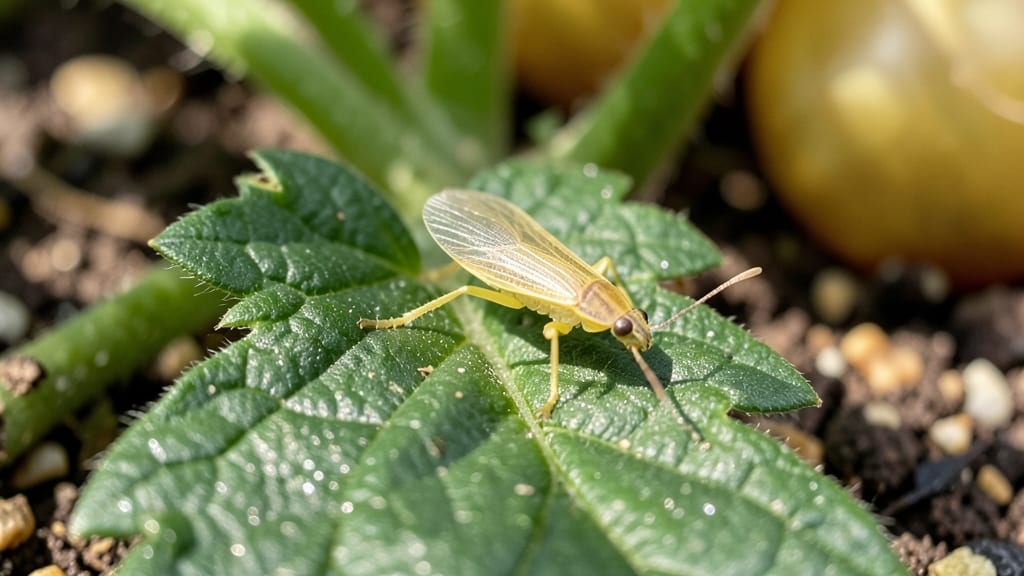
Spotting yellow tomato bugs on your vines means your harvest is at risk—unless you act fast. 🌱 These sneaky pests (often stink bugs or beetles) hide in foliage by day and feast on ripening fruit at night, leaving behind telltale scars. The good news?
A simple copper trap can catch 90% of them in just 2 days—no chemicals needed. I learned this trick after losing half my tomatoes to these yellow invaders last summer. The secret lies in their attraction to copper’s electrical charge, which mimics the plant’s natural defenses.
You’ll need just a few household items: copper wire, a wooden stake, and some all-purpose wire. The setup takes 10 minutes, and the results are shocking—literally.
What you’ll get is a dramatic drop in bug populations within 48 hours, with fewer scars on your tomatoes and fewer surprises when you slice into them. The traps work best when placed near the plant’s center, where bugs congregate at dusk.
Once you see the first few trapped, you’ll know the rest are on their way out. This method works for both organic and conventional gardens, and it’s safe for pollinators. The only downside? You’ll need to refresh the traps every 3-4 days during peak infestation season.
Ready to reclaim your tomatoes?
Root Causes Of Tomato Pests
When your tomato plants start showing signs of yellowing, stunted growth, or tiny holes in the fruit, it’s often a sign that unwanted critters are feasting on your hard work. Understanding why these pests target your tomatoes—and how they thrive—is the first step to stopping them in their tracks.
Below, we break down the most common culprits and the conditions that turn your garden into a five-star buffet for bugs.
Tomatoes that are stressed, overcrowded, or nutrient-deficient become easy prey for pests like aphids, whiteflies, and spider mites. Here’s why:
- Poor airflow: Dense foliage traps moisture, creating the perfect humid microclimate for soft-bodied insects like aphids. These pests thrive in damp, shaded conditions and reproduce rapidly.
- Nutrient deficiency: Plants lacking nitrogen, phosphorus, or potassium are weaker and produce less sap—a key food source for many tomato-feeding bugs. Yellowing leaves (a sign of nitrogen deficiency) signal distress, making plants more attractive to pests.
- Root stress: Overwatering or compacted soil restricts root growth, weakening the plant’s immune response. Stressed roots can’t support healthy foliage, leaving gaps for insects to exploit.
Actionable fix: Space plants 18–24 inches apart, prune for airflow, and use a balanced fertilizer (like 10-10-10) to boost resilience.
Fungal infections like early blight or powdery mildew create entry points for secondary pests. Here’s the connection:
- Damaged tissue: Fungal spots or lesions on leaves and stems provide hiding spots and food sources for sap-sucking bugs like whiteflies and thrips. These pests are drawn to decaying plant material.
- Honeydew buildup: Many fungal infections attract sap-feeding insects, which excrete sticky honeydew. This sugary residue then attracts ant colonies, which protect pests like aphids in exchange for food.
- Weakened defenses: A plant fighting fungus has fewer resources to produce natural repellents (like volatile organic compounds), making it more vulnerable to insect attacks.
Actionable fix: Rotate crops annually, avoid overhead watering, and apply neem oil or copper fungicide to prevent outbreaks before they invite pests.
Tomatoes are sensitive to temperature swings, and pests exploit these conditions. Here’s how:
- Heat stress: During hot spells, tomato plants wilts and produce less chlorophyll, making them less appealing to herbivores—but more attractive to heat-loving pests like hornworms and stink bugs. These bugs seek out stressed plants for easier feeding.
- Cold snaps: A sudden drop in temperature slows plant growth and reduces sap production, forcing pests to feed more aggressively to survive. This is why you might see a surge in aphid populations after a cold night.
- Humidity spikes: High humidity after rain creates ideal conditions for fungus gnats and whiteflies, which lay eggs in moist soil and leaf litter.
Actionable fix: Use shade cloth in peak summer, mulch to regulate soil temp, and avoid watering late in the day to reduce humidity.
In a balanced ecosystem, predators like ladybugs, lacewings, and parasitic wasps keep tomato pests in check. But when these helpers are missing, bugs multiply unchecked. Common reasons include:
- Pesticide overuse: Broad-spectrum chemicals (like malathion) kill both pests AND their predators, creating a pesticide treadmill where pests rebound faster.
- Monoculture gardening: Planting only tomatoes (or other solanaceae like peppers) removes diversity, which reduces habitat for beneficial insects.
- Urban or isolated gardens: Fewer wild predators (like birds or ground beetles) means fewer checks on pest populations.
Actionable fix: Introduce beneficial nematodes, plant companion flowers (like marigolds or dill), and use targeted sprays (e.g., insecticidal soap) to preserve predator populations.
Pro Tip: 🔍 Scout your plants daily—early detection of yellowing leaves, webbing, or tiny eggs is key to preventing a full-blown infestation. The sooner you identify the cause, the faster you can deploy a copper trap or other targeted solution.
Quick Fixes for Tomato Pests
Tackling those pesky yellow tomato bugs—whether they’re aphids, hornworms, or other garden invaders—doesn’t have to be a battle. With the right strategies, you can reclaim your tomato plants in no time.
Below, we’ve mapped out practical, step-by-step solutions tailored to the most common causes, plus prevention tips to keep your garden thriving.
Cause: Overcrowded or damaged foliage attracts bugs, giving them shelter and easy access to your tomatoes. Fix:
- Inspect daily 👀—Check the undersides of leaves (a hotspot for eggs and larvae).
- Snip and toss 🔪—Use clean pruning shears to remove yellowed, chewed, or infested leaves. Drop them in a sealed bag to prevent reinfestation.
- Focus on fruit 🍅—Pick any tomatoes with holes, spots, or sticky residue (a sign of sap-sucking pests like aphids). Compost them far from your garden.
Pro Tip: 💡 If aphids are the culprit, a strong spray of water (from a hose) can knock them off leaves before they multiply.
Cause: Bugs are drawn to sticky residues, fermenting matter, or bright colors (like yellow—hello, tomato bugs!). Fix:
- Yellow sticky traps 🎯—Place 2–3 traps near your plants. Their bright color mimics tomato foliage, luring pests to their sticky doom. Replace every 2–3 days for max effectiveness.
- Fermentation bait 🍺—Mix apple cider vinegar + sugar + water in a shallow dish. Add a drop of dish soap to break the surface tension. Hornworms and other pests will drown in it overnight.
- Copper tape hack ⚡—Wrap copper tape around the base of your tomato stakes or cages. The mild electric charge repels crawling insects like slugs and cutworms.
Pro Tip: ✨ For hornworms, handpick them at dawn when they’re sluggish. Drop them in soapy water—no chemicals needed!
Cause: Chemical residues or lack of natural predators let pests thrive. Fix:
- Neem oil spray 🌿—Mix 1 tbsp neem oil + 1 tsp mild soap + 1 quart water. Spray evenly on leaves (avoid blooms to protect pollinators). Reapply every 5–7 days until pests vanish.
- Garlic-chili spray 🌶️—Blend 5 garlic cloves + 1 tbsp cayenne pepper + 1 quart water. Strain and spray on leaves. The strong scent confuses and repels bugs.
- Row covers 🛡️—For early infestations, drape lightweight fabric over seedlings or young plants. Secure with stakes to block adult bugs from laying eggs.
Pro Tip: 🌡️ Spray in the early morning or evening to avoid harming bees. Always test a small leaf first for sensitivity.
Cause: Weak plants or lack of natural predators create a pest paradise. Fix:
- Invite ladybugs & lacewings 🐞—Plant companion flowers like marigolds, dill, or alyssum near tomatoes. These attract predatory insects that eat tomato bugs.
- Diatomaceous earth (DE) 🏖️—Sprinkle food-grade DE around the base of plants. It’s a natural abrasive that dehydrates soft-bodied pests like aphids. Reapply after rain.
- Compost & mulch 🌱—Healthy soil = strong plants. Add compost around the base and mulch with straw to deter crawling pests and retain moisture.
Pro Tip: 🎯 Avoid over-fertilizing with nitrogen—it makes plants soft and more attractive to pests. Balance with phosphorus and potassium for resilience.
Stop bugs before they start with these easy habits: - Rotate crops 🌱—Don’t plant tomatoes in the same spot yearly.
Bugs thrive in familiar territory. - Prune for airflow 💨—Thin out dense foliage to reduce humidity (a breeding ground for fungal pests). - Harvest regularly 🍅—Overripe or rotting tomatoes attract fruit flies and other pests. - Monitor weather 🌦️—Hot, dry spells weaken plants.
Water deeply at the base in the morning to deter fungal issues.
Remember: Consistency is key! Combine removal + traps + sprays + prevention for the fastest results. With these steps, your tomato plants will be back to their vibrant, bug-free selves in no time. 🚀
Frequently asked questions
What are those tiny yellow bugs on my tomato plants?
Those yellow tomato bugs are likely stink bugs or beetles—common pests that feed on tomato leaves and fruit. They often hide under leaves during the day and emerge at night to damage your plants. Stink bugs leave distinctive scars on tomatoes, while beetles may chew irregular holes.
Why do yellow tomato bugs prefer my tomatoes over other plants?
Tomatoes are especially attractive because they produce sugary sap and have tender leaves and fruit. The bright yellow color of tomato foliage also mimics the hues these pests naturally seek. Weak or stressed plants with poor airflow become even more vulnerable to infestations.
How do I know if the yellow bugs are harmful or beneficial?
Most yellow tomato bugs are harmful, like stink bugs or colorado potato beetles, but some yellow predators (like ladybug larvae) help control pests. Look for damage: harmful bugs leave chewed leaves or scars, while beneficial insects will have tiny, distinct markings and won't harm your plants.
Will copper traps work on all types of yellow tomato bugs?
The copper trap method works best on crawling pests like stink bugs and beetles, but may be less effective against flying insects. For a broader approach, combine copper traps with sticky yellow traps and neem oil sprays. The copper's electrical charge repels bugs that walk along plant stems and soil.
Can I use these methods if I have pets or children around?
All the methods mentioned—copper traps, neem oil, and sticky traps—are pet- and child-safe when used correctly. Just avoid letting pets ingest sticky trap residue, and keep neem oil sprays away from their mouths. Copper wire is completely harmless when properly secured.