
Plants
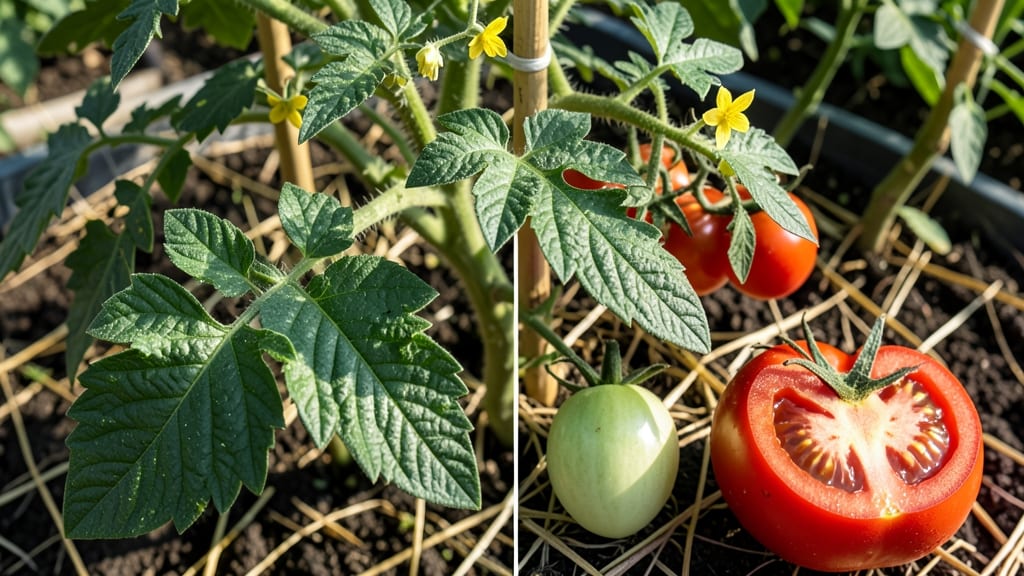
Tomato plants are poisonous when ingested in large quantities, particularly the green parts like leaves and stems, which contain toxic solanine and tomatine alkaloids. Only ripe red fruit is safe to eat in normal amounts.
Tomato plants contain natural toxins called glycoalkaloids, primarily solanine and tomatine, which concentrate in the green parts like leaves and stems. 🌱 These compounds can cause mild to severe symptoms like nausea, vomiting, or dizziness if consumed in large amounts.
The ripe red fruit, however, contains minimal levels of these toxins and is perfectly safe when eaten normally. Even so, it's wise to avoid eating unripe green tomatoes in large quantities, as they can still pose risks.
If you're growing tomatoes at home, keep plants out of reach of pets and children, and never compost green parts—toss them in the trash instead. 🌿 When harvesting, always check for fully ripe fruit and discard any green sections.
Proper handling ensures you enjoy the delicious fruit without worrying about accidental poisoning.
💡 In This Article
- Toxic Components in Tomato Plants and Their Effects
- Safe Handling and Gardening Practices for Tomato Plants
Toxic components in tomato plants and their effects
The green parts of tomato plants—leaves, stems, and unripe fruit—contain two primary toxins: solanine and tomatine, both belonging to the glycoalkaloid family. These compounds act as natural defenses against pests and fungi, but they also pose risks to humans and animals when ingested in significant amounts.
Solanine levels can reach 5-10 mg per gram in green tomato leaves, while ripe red fruit typically contains less than 1 mg per gram—a concentration considered safe for normal consumption.
When you consume these toxic parts, your body reacts through a process called cholinesterase inhibition, which disrupts nerve signaling. Symptoms typically appear within 6-12 hours and include nausea, vomiting, diarrhea, dizziness, and headaches.
In severe cases (like consuming more than 200 mg of solanine at once), hallucinations or even coma can occur. 🌱 For perspective, eating just one cup of green tomato leaves (about 30 grams) could expose you to 150-300 mg of solanine, pushing you into the dangerous range.
The toxicity varies dramatically across plant parts: stems and leaves are the most concentrated, followed by unripe green fruit, while ripe red tomatoes contain minimal amounts. Even the skin of green tomatoes has 3-5 times more solanine than the flesh.
This is why gardeners often warn against eating unripe tomatoes straight from the vine—they can cause stomach upset even in smaller quantities. The good news? Cooking doesn't significantly reduce solanine levels, so even cooked green parts remain hazardous.
Animals are particularly vulnerable to these toxins. Livestock like horses and cattle have suffered fatal poisonings from consuming tomato plant waste. Pets like dogs are also at risk—just one ounce of tomato leaves could make a 10-pound dog seriously ill.
This is why proper disposal (trash, not compost) of green plant parts is critical, especially in households with curious pets or children who might mistake leaves for edible greens.
Interestingly, some tomato varieties have been bred to have lower solanine levels, but this varies widely. For example, cherry tomatoes generally contain less solanine than larger heirloom varieties, but unripe ones still pose risks.
The key takeaway? Always focus on fully ripe, red fruit and avoid any green sections—even a small bite of a green tomato could trigger unpleasant symptoms in sensitive individuals.
What most people don't realize is that solanine breaks down slowly in the body, meaning symptoms can linger for 24-48 hours after ingestion. If you accidentally consume green tomato parts, stay hydrated and seek medical attention if symptoms like confusion or rapid heartbeat occur.
Prevention is always the best approach—keep plants out of reach and educate household members about the dangers of green parts. 🚨