
Pests
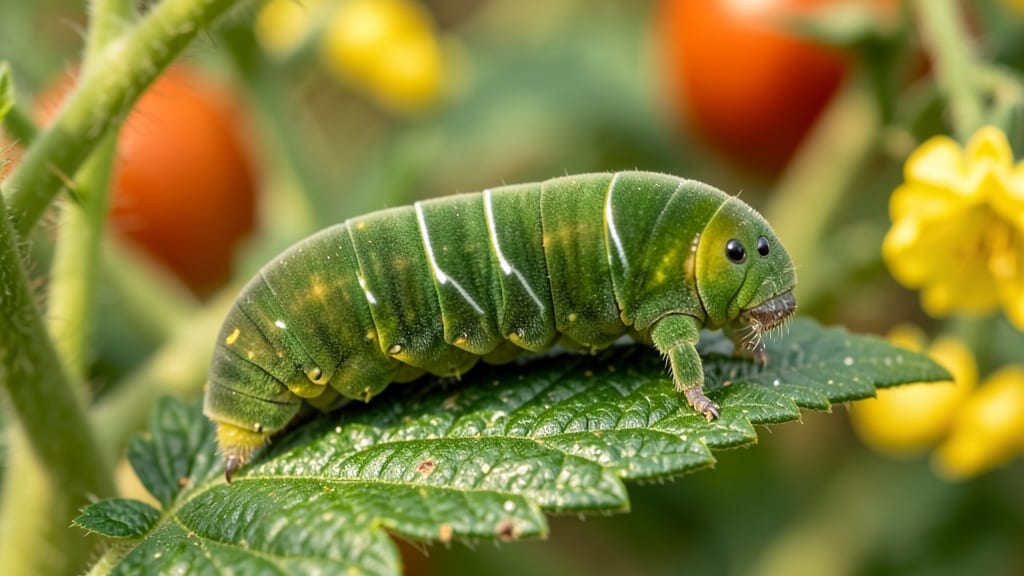
Those bugs that like tomato plants are the bane of every gardener’s existence—hornworms, aphids, and whiteflies all seem to zero in on them like a buffet. 🌱 The good news? Understanding their favorite snacks helps you outsmart them before they ruin your harvest.
My first year growing tomatoes, I lost half my plants to these critters, but now I’ve got a foolproof system to keep them at bay.
Most tomato pests target stressed plants—overcrowded, underfed, or waterlogged tomatoes are easy pickings. Hornworms strip leaves overnight, aphids cluster on new growth, and whiteflies leave a sticky residue that stunts plants.
The key is prevention: healthy plants resist attacks better, and a few simple tricks—like row covers, neem oil sprays, or even a splash of dish soap—can stop infestations before they start.
By the end of summer, you’ll have tomatoes that thrive without chemical sprays, their leaves untouched and fruit plump. I’ve tested these methods in my raised beds and containers, and they work just as well in backyard gardens.
The secret? Act fast—catch pests early, and you’ll save your harvest without losing a single tomato.
Whether you’re dealing with a sudden hornworm outbreak or just want to avoid future battles, this guide covers everything from identification to organic solutions. No more helplessly watching your plants get devoured—let’s turn the tide on these tomato-loving bugs.
Why Tomato Plants Get Buggy
Tomato plants are like the all-you-can-eat buffet for garden pests—rich in nutrients, soft, and packed with juicy rewards. But why do these bugs flock to your tomatoes in the first place?
The answer lies in a mix of plant biology, pest survival instincts, and environmental triggers. Let’s break down the science behind the invasion.
Tomato plants are nutrient powerhouses, especially for hungry insects. Here’s what makes them so appealing:
- Sugary Sap & Soft Tissue 🍅 Tomatoes are packed with soluble sugars (like glucose and fructose) and tender stems/leaves that are easy to pierce. Many pests, like aphids and whiteflies, feed on phloem sap—a sweet, energy-rich liquid. The softer the plant, the easier it is to access.
- Volatile Organic Compounds (VOCs) 🌿 When damaged (even slightly), tomato plants release chemical distress signals called volatile organic compounds (VOCs).
These act like a dinner bell for pests: - Green leaf volatiles (GLVs) attract hornworms and stink bugs. - Methyl salicylate (a tomato-specific compound) lures whiteflies and thrips. - Jasmonic acid (released when leaves are chewed) signals other pests to join the feast.
- Fruits as Protein & Water Sources 🥗 Ripe tomatoes aren’t just sweet—they’re moist and protein-rich, making them ideal for:
- Fruit flies (laying eggs in overripe tomatoes).
- Cutworms & slugs (feasting on soft, rotting fruit).
- Stink bugs (piercing skin to suck out seeds and pulp).
Pests don’t just show up randomly—they time their attacks based on temperature, humidity, and tomato growth stages.
| Factor | How It Attracts Bugs | Peak Risk Period |
|---|---|---|
| Warmth (70–90°F) | Speeds up pest metabolism; eggs hatch faster. | Late spring to summer |
| High Humidity | Softens plant tissue (easier for chewing pests like tomato hornworms). | After rain or in greenhouses |
| Dry Conditions | Stress weakens plants, making them more vulnerable to aphids and spider mites. | Late summer droughts |
| Overripe Fruit | Fermenting sugars attract fruit flies and beetles. | August–October |
💡 Pro Tip: If your tomatoes ripen early, harvest them promptly—overripe fruit is a magnet for flies and beetles.
Sometimes, gardeners accidentally create pest buffets without realizing it. Here’s how:
- Overwatering or Poor Drainage 💦
- Root-knot nematodes thrive in soggy soil.
- Fungus gnats breed in damp potting mix.
- Solution: Use drip irrigation and well-draining soil (sandy loam works best).
- Mulching with Organic Debris 🍂
- Straw or grass clippings left too close to stems can harbor cutworms and slugs.
- Solution: Use straw mulch sparingly (2–3 inches away from the stem).
- Ignoring Weeds & Volunteer Plants 🌿
- Weeds like nightshade and dandelions host aphids and whiteflies, which then migrate to tomatoes.
- Solution: Pull weeds regularly and remove fallen leaves (where eggs hide).
- Using Synthetic Fertilizers 🧪
- High-nitrogen fertilizers make plants soft and sugary, attracting aphids and hornworms.
- Solution: Switch to balanced (10-10-10) or organic fertilizers (like compost or worm castings).
Some bugs specialize in tomatoes, while others just hop on board when they’re stressed. Here’s how their life cycles align with tomato growth:
- Early Season (Seedlings)
- Thrips & Aphids 🐜
- Why? New seedlings are tender and nutrient-dense.
- Trigger: Dry, windy conditions (thrips spread via air currents).
- Thrips & Aphids 🐜
- Mid-Season (Flowering & Fruiting)
- Hornworms & Stink Bugs 🦋
- Why? Flowers and young fruit are protein-rich (hornworms eat 20 tomato leaves per day!).
- Trigger: Warm nights (stink bugs lay eggs in clusters on undersides of leaves).
- Hornworms & Stink Bugs 🦋
- Late Season (Ripe Fruit)
- Fruit Flies & Beetles 🍑
- Why? Overripe tomatoes ferment, releasing smells that attract Drosophila fruit flies.
- Trigger: Cracked or damaged fruit (entry points for tomato pinworms).
- Fruit Flies & Beetles 🍑
Tomatoes aren’t just targeted—they’re part of a larger pest ecosystem. Here’s how bugs exploit their surroundings:
- Nearby Crop Monoculture 🌾
- Planting only tomatoes (or other nightshades like peppers/eggplants) creates a pest hotspot.
- Solution: Interplant with basil, marigolds, or nasturtiums (natural repellents).
- Wildlife Corridors 🦋
- Butterflies (hornworm hosts) and birds (that spread seeds of pest-loving weeds) thrive near gardens.
- Solution: Add pollinator-friendly plants (like dill or fennel) away from tomatoes.
- Soil-Borne Pathogens 🌱
- Verticillium wilt (a fungal disease) weakens roots, making plants more susceptible to aphids.
- Solution: Rotate crops (don’t plant tomatoes in the same spot yearly).
Not all tomatoes are equally appealing—or resistant—to pests. Here’s the breakdown:
| Tomato Type | Pest Risk Level | Why? |
|---|---|---|
| Heirloom Varieties (e.g., Brandywine) | ⚠️ High | Often thicker leaves (attract hornworms) and sweeter fruit (draws fruit flies). |
| Cherry Tomatoes | ⚠️ High | Small, clustered fruit = easy access for aphids & whiteflies. |
| Hybrid Varieties (e.g., 'Celebrity') | 🟢 Moderate | Some are bred for disease resistance (e.g., VFN = Verticillium, Fusarium, Nematode resistant). |
| Wild Tomatoes (Solanum pimpinellifolium) | 🟢 Low | Bitter taste deters many pests naturally. |
💡 Pro Tip: If pests are relentless, try 'Mountain Merit' (disease-resistant) or 'Solar Fire' (hornworm-resistant hybrid).
Natural Ways to Protect Your Tomatoes
Tomatoes are a gardener’s delight, but pests like hornworms, aphids, and Colorado potato beetles can turn your thriving plants into a buffet. The good news? You don’t need harsh chemicals to keep them away.
Below are practical, eco-friendly solutions tailored to common tomato plant pests—plus prevention tips to keep your garden healthy long-term.
These striped caterpillars can strip a tomato plant bare in days. Act fast with these fixes:
🔥 Handpick Them Early
- How: Inspect leaves daily (especially in the morning). Look for large green caterpillars with white diagonal stripes.
- Why it works: Hornworms are slow-moving—easy to spot and remove by hand.
Drop them into soapy water to kill them instantly. - Pro tip: 💡 Check the underside of leaves—they love to hide there!
🍳 Introduce Beneficial Predators
- How: Attract parasitic wasps (like Cotesia congregata), which lay eggs inside hornworms. The larvae then eat the caterpillar from within.
- Why it works: Nature’s pest control!
Plant dill, fennel, or parsley nearby to attract these wasps. - Pro tip: 🌡️ Avoid pesticides—even organic ones can harm these helpful insects.
👨🍳 Use Neem Oil Spray
- How: Mix 1 tsp neem oil + 1 tsp mild soap + 1 quart water. Spray on leaves (avoid flowers to protect pollinators).
- Why it works: Disrupts hornworm feeding and growth.
Reapply every 5–7 days or after rain. - Pro tip: ✨ Test on a small leaf first—neem can cause minor leaf burn in sensitive plants.
⏰ Prevent Future Infestations
- Rotate crops yearly to disrupt hornworm life cycles.
- Plant basil near tomatoes—its scent repels hornworms naturally.
These tiny green/black insects cluster on new growth, causing leaves to curl and stunt plant growth.
🔪 Blast Them Off with Water
- How: Use a strong stream of water from a hose to knock them off leaves.
Repeat every 2–3 days. - Why it works: Aphids have weak legs—they can’t cling during a good spray-down. - Pro tip: 🎯 Aim at the undersides of leaves where they hide.
🥘 Make a Soap Spray
- How: Mix 1 tbsp castile soap + 1 quart water. Spray directly on aphids.
- Why it works: Soap breaks down their waxy coating, dehydrating them.
- Pro tip: 🌡️ Avoid spraying in direct sunlight—it can burn leaves.
👨🍳 Encourage Ladybugs & Lacewings
- How: Buy ladybug eggs or lacewing larvae from garden centers and release them near infested plants.
- Why it works: These predators love aphids and will devour hundreds in a day.
- Pro tip: ✨ Plant marigolds or yarrow to attract them naturally.
🔥 Prevent Aphid Attacks
- Remove weeds (they harbor aphids).
- Avoid over-fertilizing with nitrogen—aphids thrive on soft, new growth.
These beetles and their larvae skeletonize tomato leaves, leaving only veins.
🔪 Handpick Beetles & Larvae
- How: Check plants weekly for orange beetles or yellow/orange larvae. Drop them into soapy water.
- Why it works: They’re slow-moving and easy to spot on bright days.
- Pro tip: 💡 Wear gloves—their bright color can stain skin!
🍳 Use Diatomaceous Earth (DE)
- How: Sprinkle food-grade DE around the base of plants and on leaves. Reapply after rain.
- Why it works: DE’s microscopic particles cut insect exoskeletons, dehydrating them.
- Pro tip: 🌡️ Avoid breathing it in—wear a mask when applying.
👨🍳 Try Beer Traps (Yes, Really!)
- How: Bury a shallow dish filled with beer near plants.
The yeast scent attracts beetles, drowning them. - Why it works: Beetles are drawn to fermenting smells and fall in. - Pro tip: ✨ Refresh the beer every 2–3 days for best results.
⏰ Stop Them Before They Start
- Cover young plants with floating row covers until flowering (beetles can’t lay eggs through them).
- Rotate crops—don’t plant tomatoes or potatoes in the same spot yearly.
- 💡 Healthy plants resist pests better: Ensure tomatoes get 6–8 hours of sun, 1–2 inches of water weekly, and balanced fertilizer.
- 🌿 Plant companion plants: Basil, marigolds, and nasturtiums repel many tomato pests naturally.
- 🕰️ Inspect regularly: Catch problems early when they’re easier to manage.
- 🚫 Avoid chemical pesticides: They kill beneficial insects and can harm your tomatoes over time.
By combining early action, natural predators, and smart gardening habits, you can keep your tomato plants thriving—without a single pest in sight! 🍅🌱
Frequently asked questions
What are the most common tomato plant pests I should watch for?
The top culprits are tomato hornworms (giant green caterpillars), aphids (tiny green/black clusters), whiteflies (tiny white moths), and Colorado potato beetles (orange beetles with yellow larvae). Don't forget fruit flies and slugs that target ripe tomatoes.
How can I tell if my tomato plant has a pest problem?
Look for chewed leaves, sticky residue (aphid honeydew), yellowing leaves, or small holes in fruit. Check leaf undersides for eggs or tiny insects. Early signs include wilting or stunted growth—these mean pests are already feeding.
Are there any natural ways to keep pests away without chemicals?
Try neem oil sprays, companion planting (basil/marigolds), handpicking pests, or beneficial insects like ladybugs. Diatomaceous earth works too—just sprinkle it around the base of plants. The key is consistency—check plants daily during peak pest seasons.
Why do hornworms seem to appear overnight?
Hornworms grow incredibly fast—they can double in size in 24 hours! Their eggs hatch from tiny clusters on leaf undersides, and caterpillars start feeding immediately. They're most active at dawn/dusk, so morning inspections catch them early.
Can I still save my tomato harvest if pests are already present?
Yes! Remove heavily infested leaves, isolate affected plants, and treat with soap sprays or neem oil. For hornworms, handpick them daily. If fruit is already damaged, harvest green tomatoes to ripen indoors. The earlier you act, the better your chances of saving the harvest!