
Pests
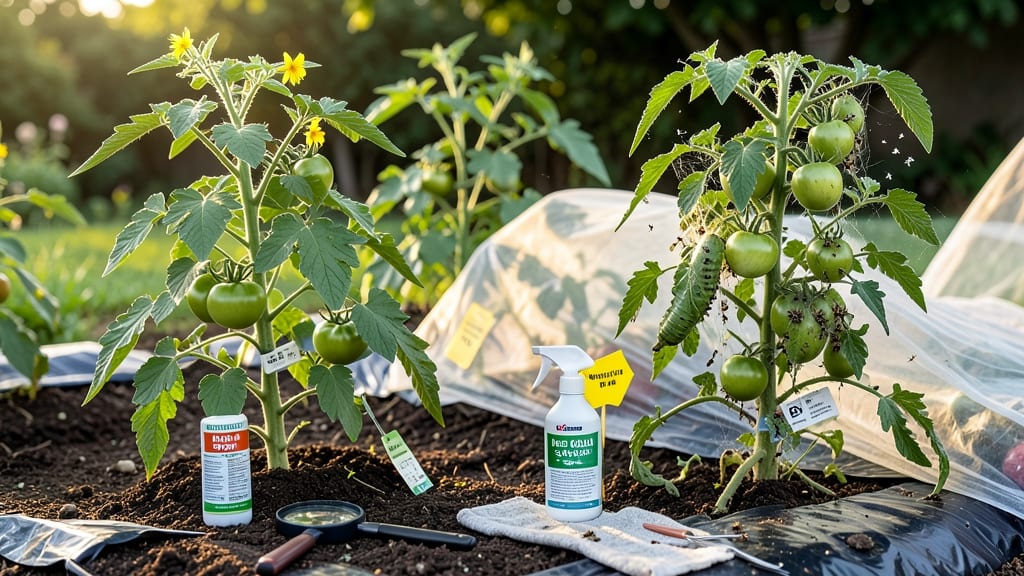
Tomato pest control stops invaders before they wreck your harvest. 🌱 I learned the hard way—my prized heirlooms went from lush vines to skeleton leaves in days, and the grocery-store solutions just weren’t cutting it. These fast-acting sprays use common kitchen ingredients to tackle aphids, hornworms, and whiteflies without harsh chemicals. The key is timing and consistency: spray early in the morning when pests are sluggish, and repeat every 5-7 days. My go-to mix of neem oil and water (plus a drop of dish soap) knocks out aphids in 24 hours, while a garlic-chili spray deters whiteflies. No more losing plants to pests—just healthy tomatoes and a garden that actually thrives. You’ll see results within a week of consistent spraying, and the best part? These recipes cost pennies per application. The secret is acting fast—once pests take hold, they multiply faster than you can say “blight.” Prevention is easier than cleanup, and these sprays make it simple. Works for container gardens, raised beds, and in-ground plots—just adjust spray volume for size. No more helplessly watching pests chew your harvest. Let’s get those tomatoes back to their full, juicy glory!
Root Causes Of Tomato Pest Attacks
Tomato plants are like magnets for pests—whether it’s hungry caterpillars, sneaky aphids, or relentless hornworms. But why do these critters zero in on your garden? The answer lies in a mix of environmental triggers, plant vulnerabilities, and even human habits.
Understanding these causes is the first step to outsmarting them. Let’s break down the science behind the chaos.
Tomatoes are a buffet for pests, especially when they’re ripe, bruised, or rotting.
Here’s why: - Sugar & Moisture Magnet: Ripe tomatoes are packed with natural sugars and moisture—perfect for fruit flies, hornworms, and even raccoons. 🦋 A single overripe tomato can attract swarms of pests within hours. - Entry Points for Invaders: Cracks, bruises, or wounds on the fruit create easy access for pests like the tomato fruitworm (Helicoverpa zea), which burrows inside to lay eggs. - Fungal Fodder: Soft, rotting tomatoes become breeding grounds for fruit rot fungi (Phytophthora spp.), which also attract pests like stink bugs—they love the fermenting sugars.
Actionable Fix: 💡 Pick tomatoes as soon as they ripen (even if not fully red) and remove fallen or damaged fruit immediately. Apply a thin layer of diatomaceous earth around the base of plants to deter crawling pests.
A messy garden is an open invitation for pests. Here’s how clutter plays a role: - Harboring Hides: Weeds, dead leaves, and plant debris provide shelter for aphids, slugs, and cutworms.
Aphids, for example, thrive in dense foliage and multiply rapidly, weakening tomato plants. 🐜 - Disease Carriers: Decaying organic matter attracts whiteflies and thrips, which spread viral diseases like tomato yellow leaf curl virus (TYLCV). - Moisture Traps: Overwatered or poorly drained soil creates soggy conditions, perfect for slugs, snails, and fungal gnats.
Stagnant water also breeds mosquitoes, whose larvae can jump to tomato plants as adults.
Actionable Fix: 🔥 Maintain 3-foot-wide bare soil strips around tomato plants to reduce hiding spots. Mulch with straw or cedar chips (not wood chips, which retain moisture) and rotate crops annually to break pest life cycles.
Tomatoes under stress are like a neon "Eat Me" sign for pests.
Heat, drought, or cold shock weaken defenses: - Heat Stress: Temperatures above 90°F (32°C) cause blossom drop and sunscald, making plants more susceptible to spider mites (which thrive in dry, hot conditions). 🌡️ - Drought Stress: Underwatered tomatoes develop thick, tough leaves—ideal for hornworms to camouflage and aphids to cluster.
Stress also reduces volatile organic compounds (VOCs) that repel pests naturally. - Cold Snaps: Young tomato plants shocked by frost or cold nights produce weak, stunted growth, making them easier targets for cutworms and colorado potato beetles.
Actionable Fix: ✨ Shade cloth in peak summer and row covers in early spring can protect plants. Drip irrigation (not overhead watering) keeps soil moist without stressing foliage. Companion plants like basil or marigolds can also mask plant stress signals.
Some pests are just always there—it’s their biology. Here’s how timing works against you: - Overwintering Survivors: Pests like tomato hornworms and stink bugs lay eggs in garden debris or soil over winter.
When spring arrives, they hatch synchronized with tomato seedlings. 🐛 - Multi-Generational Attacks: Aphids and whiteflies reproduce asexually, meaning one generation can become thousands in weeks.
If left unchecked, they’ll strip a plant bare in 10 days. - Migratory Invaders: Fruit flies and stink bugs are drawn to tomato plants from miles away, especially during fruit ripening season (July–September).
Actionable Fix: 🎯 Intercept early with yellow sticky traps for flying pests and handpick eggs (look for tiny green ovals on undersides of leaves). Crop rotation disrupts pest life cycles—avoid planting tomatoes in the same spot for 3+ years.
Healthy soil = healthy tomatoes = fewer pests.
But imbalances tip the scales: - Nitrogen Overload: Too much nitrogen (from fertilizers) produces soft, tender leaves—a favorite snack for cabbage loopers and tomato leafminers. 🌱 - Phosphorus Deficiency: Weak roots struggle to fend off root-knot nematodes, microscopic worms that stunt growth. - pH Problems: Tomatoes prefer 6.0–6.8 pH.
Soil too acidic (below 5.5) attracts fungal pests, while alkaline soil (above 7.5) stresses plants, making them vulnerable to bacterial wilt.
Actionable Fix: 📊 Test soil annually and amend with compost or lime (for acidity) as needed. Avoid synthetic fertilizers—opt for balanced organic options like fish emulsion or bone meal.
Quick Fixes for Tomato Pests
When pests invade your tomato plants, acting fast is key to saving your harvest. Below are targeted solutions for common tomato pests, paired with prevention tips to keep your garden thriving. Whether you're dealing with chewers, suckers, or sap-sippers, these methods are practical, effective, and easy to implement.
Cause: These striped caterpillars devour leaves overnight, leaving skeletonized foliage behind.
Fix:
- 🔪 Handpick & Drown: Scout plants daily (especially in the morning) and drop hornworms into soapy water. They’re easy to spot—just look for their bold stripes!
- 🍳 Bacillus thuringiensis (Bt): Spray this organic bacterium on leaves. It targets caterpillars’ digestive systems without harming beneficial insects. Reapply after rain.
- 🌙 Disrupt Their Cycle: Install yellow sticky traps near plants to catch moths before they lay eggs.
Prevention:
- 🌡️ Plant Companions: Interplant tomatoes with basil, marigolds, or dill—their scents repel hornworm moths.
- 🎯 Rotate Crops: Avoid planting tomatoes in the same spot yearly to break hornworm life cycles.
Cause: These tiny green/black bugs cluster on stems and leaves, excreting honeydew that attracts mold.
Fix:
- 💦 Blast Them Off: Use a strong stream of water from a hose to knock aphids off plants. Do this in the morning for best results.
- 🌿 Soap Spray: Mix 1 tablespoon of mild liquid soap (like Castile) with 1 quart of water. Spray directly on infested areas. Repeat every 3–4 days.
- 🐝 Encourage Predators: Ladybugs and lacewings love aphids. Plant nectar-rich flowers (like alyssum) to attract them.
Prevention:
- ✨ Yellow Traps: Hang yellow sticky cards near tomato plants to trap adult aphids.
- 🌱 Healthy Soil: Strong plants resist pests better. Use compost and avoid over-fertilizing with nitrogen.
Cause: These microscopic pests thrive in dry, hot conditions, sucking plant juices and causing stippling on leaves.
Fix:
- 🌧️ Increase Humidity: Spider mites hate moisture. Water plants thoroughly in the morning and use mulch to retain soil dampness.
- 🍳 Neem Oil Spray: Mix 1 tablespoon neem oil, 1 teaspoon mild soap, and 1 quart of water. Spray undersides of leaves (where mites hide) every 5–7 days.
- 🔍 Inspect Regularly: Check leaves with a magnifying glass. Early detection = easier control.
Prevention:
- 💡 Drip Irrigation: Water at the base (not overhead) to keep foliage dry.
- 🌿 Companion Planting: Grow cucumbers or beans nearby—their foliage can act as a "trap crop" to divert mites.
Cause: These small white bugs flutter when disturbed and secrete honeydew, leading to sooty mold.
Fix:
- 🕯️ Yellow Sticky Traps: Place traps above plants to catch adults before they lay eggs.
- 🌿 Reflectant Mulch: Cover the soil with aluminum foil or reflective mulch. The glare disorients whiteflies.
- 🍳 Insecticidal Soap: Spray a homemade mix (2 tablespoons soap + 1 quart water) on the undersides of leaves where eggs hide.
Prevention:
- 🌱 Rotate Plants: Avoid planting tomatoes, peppers, or other solanaceae near last year’s infested crops.
- 🌿 Healthy Airflow: Prune plants to improve ventilation, reducing humidity—whiteflies love damp, crowded spaces.
Cause: These caterpillars hide in soil during the day and slice stems at night, toppling young plants.
Fix:
- 🔥 Collar Barrier: Wrap the base of young tomato plants with cardboard or aluminum foil collars (bury 2 inches deep). Cutworms can’t crawl over them.
- 🍳 Diatomaceous Earth: Sprinkle food-grade DE around the base of plants. It’s non-toxic but deadly to cutworms’ exoskeletons.
- 🌙 Night Patrol: Shine a flashlight on plants at dusk to spot and squish cutworms in action.
Prevention:
- 🌱 Mulch Strategically: Use straw or grass clippings around plants to deter cutworms from burrowing.
- 🎯 Interplant with Onions: Onions repel cutworm moths with their strong scent.
Pro Tip: Always test homemade sprays on a small leaf area first to avoid damaging your plants. And remember—consistency is key! Reapply treatments every 5–7 days or after rain for best results. 🌱✨
Frequently asked questions
What’s the fastest way to stop hornworms from destroying my tomato plants?
Handpick them in the morning when they’re sluggish—drop them into soapy water. For stubborn infestations, spray Bacillus thuringiensis (Bt) every 5-7 days. Pro tip: Install yellow sticky traps to catch moths before they lay eggs. This combo stops new generations fast.
Can I use vinegar spray for tomato pests like aphids?
White vinegar kills aphids on contact, but it’s not ideal for long-term control. Mix 1 cup vinegar + 1 gallon water + 1 teaspoon dish soap and spray directly on pests. Works best for small outbreaks—reapply every 2-3 days. Avoid spraying flowers to protect pollinators.
Why do spider mites always come back after I treat them?
Mites thrive in dry, hot conditions. Increase humidity by watering soil (not leaves) daily and using mulch. For stubborn cases, combine neem oil spray with releasing predatory mites. Check undersides of leaves weekly—mites hide there when stressed.
Are there any companion plants that actually work against tomato pests?
Plant basil, marigolds, or nasturtiums nearby—they repel hornworms and aphids. Onions and garlic deter cutworms, while dill or fennel attract parasitic wasps that hunt tomato pests. Space them 1-2 feet from tomato plants for best results.
How do I know if my tomato pest problem is bad enough for chemical pesticides?
Use chemicals only as a last resort. If 50%+ of leaves are skeletonized (hornworms), sooty mold covers plants (whiteflies), or fruit is already damaged, consider pyrethrin-based sprays. Always follow label instructions and avoid spraying when bees are active.