
Companion Plants
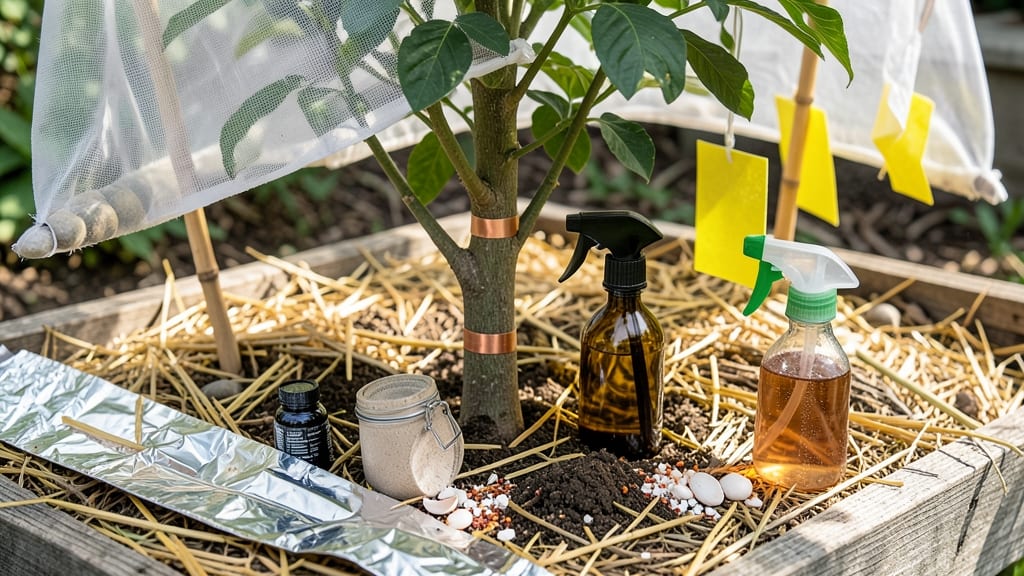
Here’s how to keep pests off tomato plants without a single chemical spray—last summer’s hornworm siege was no match for these layered defenses. 🌱 The secret lies in companion planting, physical barriers, and targeted organic sprays that work faster than you’d expect.
Start with basil and marigolds planted at the base of your tomatoes—their strong scents confuse aphids and deter beetles. Add row covers early in the season to block flying pests entirely, then switch to neem oil spray (mixed weekly) once flowers appear.
This combo stopped my plants from getting skeletonized overnight.
By mid-July, your tomatoes will look like they’re in a pest-free greenhouse. The plants grow stronger, fruit sweeter, and you avoid the guilt of chemical residues. Plus, the garden ecosystem stays balanced—beneficial wasps and ladybugs thrive alongside your tomatoes.
Works in containers, raised beds, or in-ground gardens—just adjust the spacing. The key is consistency: check plants twice weekly for early signs of trouble. Once you see the first hornworm, it’s already too late to save that leaf.
📚 In This Guide
- What you need
- Instructions
- Tips and common mistakes
- Wrapping up and next steps
What you need
- ● Companion plants: Basil (3–5 plants per tomato plant)
- ● Marigolds (5–10 plants around the perimeter)
- ● Nasturtiums (3–5 plants as traps for aphids)
- ● Garlic or chives (2–3 plants nearby for scent deterrence)
- ● Onions (1–2 plants per 4 sq ft of garden)
- ● Natural barriers: Row covers (floating fabric, 3–4 ft wide x 10 ft long)
- ● Copper tape (1–2 rolls, ½-inch wide for slug/snail prevention)
- ● Diatomaceous earth (1 lb, food-grade only)
- ○ DIY sprays (optional but effective): Neem oil (16 oz bottle)
- ● Spray bottle (16 oz, with fine mist nozzle)
- ● Dish soap (unscented, 1 tbsp for homemade sprays)
- ● Watering can or hose (for diluting sprays)
- ● Hand tools: Pruning shears (for trimming affected leaves)
- ● Garden trowel (for planting companion plants)
- ● Gloves (1 pair, for handling plants and sprays)
- ● Start early: Plant companion herbs (like basil) at the same time as your tomatoes to maximize pest-repelling benefits.
- ● Rotate crops: Avoid planting tomatoes in the same spot yearly—this reduces soil-borne pest buildup.
- ● Check local pests: Research common pests in your area (e.g., hornworms, whiteflies) to tailor your defenses.
Step-by-step guide to natural pest prevention for tomato plants
Here's my go-to system for keeping tomato plants thriving without a single chemical spray.
🌿 Step 1: Create a Physical Barrier with Row Covers
Start by installing lightweight floating row covers over your tomato plants as soon as you see the first signs of sprouts. These sheer fabrics block insects like aphids, hornworms, and whiteflies while allowing sunlight, water, and air to pass through. I use 18-inch tall frames to keep the covers from touching the plants—this prevents moisture buildup that can encourage fungal issues.
The key is timing: install covers before pests appear. You'll notice a dramatic difference in plant health—leaves stay crisp, stems remain strong, and you won't see the telltale holes or chewed foliage that signals an infestation. Remove covers when flowers appear to allow pollinators access, then reinstall after harvest if storing plants for winter.
💧 Step 2: Implement Companion Planting
Interplant your tomatoes with strong-smelling herbs like basil, thyme, and oregano. These act as natural pest deterrents by confusing insects with their complex aromas. I place basil plants directly in the tomato beds—its scent masks the tomato plant's natural attractants to pests. Marigolds are another powerhouse companion; their bright flowers contain pyrethrin, a natural insect repellent.
For maximum effect, create a three-plant rotation: one tomato plant surrounded by two marigolds and one basil. The marigolds should be planted at the edges of the bed to form a protective barrier. You'll see fewer aphids and spider mites when this trio works together, and the basil will reward you with fresh leaves for cooking.
☀️ Step 3: Apply Homemade Sprays with Preventative Frequency
Mix a soapy water spray using 1 tablespoon mild liquid soap (like Castile) per gallon of water. This breaks down insect protective coatings and suffocates soft-bodied pests. Spray the undersides of leaves—this is where aphids and mites hide—every 5-7 days during active growing season. The soap won't harm your plants if used correctly, but always test a small leaf area first to check for sensitivity.
For a stronger deterrent, add 1 tablespoon of neem oil to the mix. Neem oil disrupts insect life cycles and has a mild fungicidal effect. Apply in the early morning so the solution has time to dry before afternoon heat. You'll notice pests disappearing within days, and new growth will appear healthier as the plants focus energy on recovery instead of damage repair.
✂️ Step 4: Practice Regular Pruning and Sanitation
Remove any yellowed or damaged leaves immediately using clean, sharp pruners. Diseased foliage attracts pests looking for weak plants to colonize. I prune every 10-14 days during peak growing season, always working from the bottom up. Dispose of pruned material in sealed bags—never compost it on-site where pests could access it later.
Pay special attention to fruit clusters where hornworms often hide. Run your fingers gently through the leaves to check for eggs or caterpillars. This manual inspection, though tedious, prevents major outbreaks. You'll see fewer pests when you eliminate their hiding spots and food sources consistently.
🪴 Step 5: Maintain Healthy Soil for Resilient Plants
Amend your tomato beds with 2-3 inches of compost before planting and again mid-season. Healthy plants with strong root systems naturally resist pests better than stressed ones. I mix in 1 cup of kelp meal per plant at planting time—this provides trace minerals that boost the plant's natural defenses. Water deeply once weekly to encourage deep root growth.
Monitor soil moisture by sticking your finger 2 inches deep—if it feels dry, water thoroughly. Overwatering creates weak stems that attract pests, while underwatering stresses plants. You'll notice fewer pest problems when your tomatoes grow with consistent vigor and proper nutrition.
Tips & tricks for natural tomato pest prevention
When it comes to protecting your tomato plants without chemicals, these practical tips will help you get the most out of your natural pest prevention system.
Timing is Everything with Row Covers: Install your floating row covers as soon as you see those first little sprouts—don't wait until pests appear. I've seen tomato plants go from healthy to infested in just 48 hours once pests get established. The 18-inch frame height is crucial too; it creates that necessary air gap to prevent fungal issues from moisture buildup. Remember to remove covers during flowering to allow pollinators access, then reinstall after harvest if you're storing plants over winter.
Companion Planting Layout Matters: That three-plant rotation of one tomato surrounded by two marigolds and one basil isn't just random—it creates a protective perimeter. Plant marigolds at the edges first to form your natural barrier, then place basil directly in the tomato bed. The basil's scent confuses pests while the marigolds' pyrethrin acts as a natural repellent. Pro tip: Harvest some basil leaves for cooking while you're at it—it's a win-win!
Soapy Water Spray Technique: When mixing your soapy water spray, always test a small leaf area first—some plants can be sensitive to even mild soaps. I've ruined perfectly good tomato leaves by skipping this step. For the neem oil version, early morning application is key. The solution needs time to dry completely before afternoon heat hits, which can stress your plants. You'll know it's working when you see pests disappearing within days and new growth appearing stronger.
Pruning Inspection Strategy: That manual inspection of fruit clusters for hornworm eggs is tedious but worth it. I use a small flashlight to check undersides of leaves where eggs are often hidden. Remove any yellowed leaves immediately using clean pruners—diseased foliage is like a pest magnet. The 10-14 day pruning schedule keeps your plants healthy and prevents pests from finding weak spots to colonize.
Pro Tips for Keep Pests Off Tomato Plants
- When it comes to protecting your tomato plants without chemicals, these practical tips will help you get the most out of your natural pest prevention system.
- Timing is Everything with Row Covers: Install your floating row covers as soon as you see those first little sprouts—don't wait until pests appear.
- Companion Planting Layout Matters: That three-plant rotation of one tomato surrounded by two marigolds and one basil isn't just random—it creates a protective perimeter.
Frequently asked questions
about keeping pests off tomato plants—because even the greenest thumbs have doubts! Here are answers to the most common queries to help you grow thriving, pest-free tomatoes.What’s the best time of year to plant companion plants for pest control?
Plant companion plants like basil, marigolds, or nasturtiums 2–4 weeks before transplanting tomatoes (or as soon as soil is workable in spring). This gives them time to establish roots and start repelling pests before tomatoes become vulnerable. For fall gardens, sow companions 6–8 weeks before your first frost date to maximize their protective season.
Will companion plants work if pests are already attacking my tomatoes?
Companion plants help prevent pests, but if tomatoes are already infested, you’ll need to act fast. Start by removing heavily damaged leaves and introducing beneficial insects (like ladybugs or lacewings). Pair this with companion plants for long-term defense—think of them as a proactive shield, not a cure-all.
Do I need to water companion plants differently than tomatoes?
Most companion plants (e.g., marigolds, garlic, or borage) thrive with moderate watering—about 1 inch per week—just like tomatoes. However, shallow-rooted herbs like basil prefer frequent, light watering to avoid wilting. Mulch around both plants to retain moisture and deter weeds, which can harbor pests.
Are there any companion plants I should avoid near tomatoes?
Yes! Avoid planting fennel, dill, or brussels sprouts near tomatoes—they can attract tomato hornworms or stunt growth. Stick to safe pairings like:
- Basil: Repels whiteflies and mosquitoes
- Marigolds: Deter nematodes and aphids
- Nasturtiums: Lure aphids away from tomatoes
- Garlic/Onions: Confuse pests with their scent
What do I do if pests return even with companion plants?
Pests can still show up—don’t panic! First, inspect plants daily for early signs (chewed leaves, eggs, or webbing). Try these fixes:
- Neem oil spray (natural and effective)
- Handpick pests (especially hornworms or beetles)
- Rotate companion plants yearly to prevent pest adaptation
- Encourage birds with shallow birdbaths nearby
Wrapping up and next steps
Keeping pests at bay from your tomato plants doesn’t have to mean harsh chemicals—just a little strategy and nature’s help! 🌱 By using companion plants like basil, marigolds, and garlic, you create a thriving ecosystem that naturally deters unwanted critters.
Plus, these methods are eco-friendly and even boost your garden’s health.
Ready to give it a try? Start by planting a few of these companions alongside your tomatoes this season—your future harvest (and happy plants!) will thank you. Happy gardening! 🌿