
Companion Plants
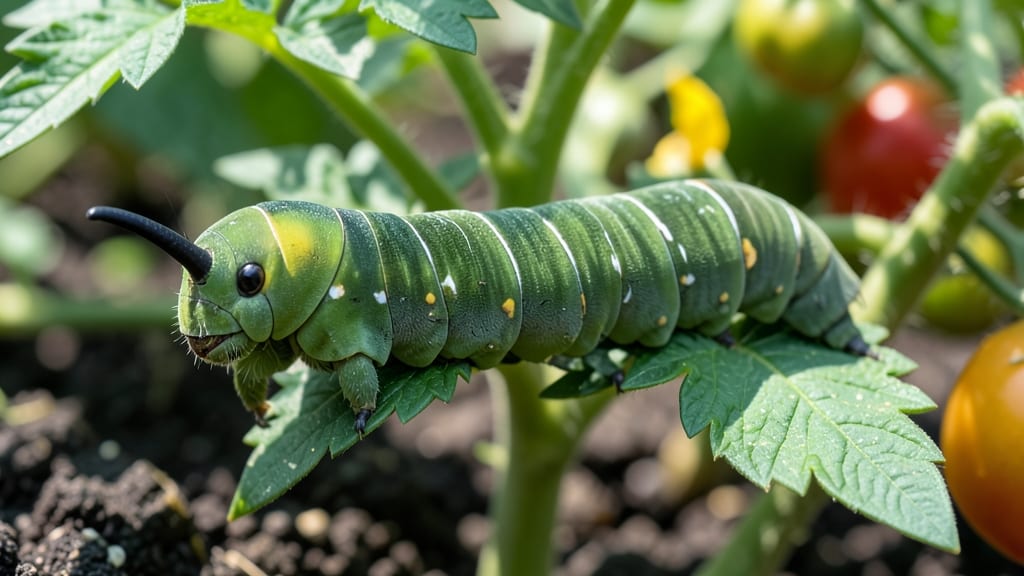
Seeing a huge caterpillar on your tomato plant can feel like a nightmare—until you learn it’s likely a harmless tomato hornworm. 🌱 These striped green giants may look intimidating, but they’re actually easy to remove without harming your plants if you act quickly.
The key is knowing what you’re dealing with and how to handle it before the damage gets worse.
Most gardeners panic and grab the first spray they see, but chemical solutions often kill beneficial insects too. Instead, I use a simple method: snip the caterpillar off with scissors or plop it into soapy water.
It’s fast, effective, and keeps your garden’s ecosystem balanced. You’ll also want to check nearby plants—hornworms love to travel.
Once removed, focus on prevention: handpick daily, introduce praying mantises or parasitic wasps, and plant basil or marigolds nearby—they naturally repel hornworms. Within a week, your tomato plants will bounce back, and you’ll have a foolproof system to keep these hungry caterpillars at bay.
This approach works for any garden size, from containers to full plots, and keeps your harvest safe without chemicals. No more stressing over striped invaders—just healthy, thriving tomatoes by midsummer.
The Real Culprits Behind Giant Caterpillars
Encountering a huge caterpillar munching away on your tomato plant can feel like a nightmare—especially when you’ve nurtured those vines with care. But before you panic, it’s crucial to understand why these fuzzy invaders show up in the first place.
The culprits aren’t just random; they’re drawn to your garden for specific reasons tied to biology, environment, and even your gardening habits. Let’s break down the science behind their sudden appearance and what’s really inviting them to the party.
Tomato plants are like an all-you-can-eat restaurant for certain caterpillar species, particularly the hornworm (Manduca sexta) and the tomato fruitworm (Helicoverpa zea). These plants produce compounds that caterpillars find irresistible:
- Volatile organic compounds (VOCs): When tomato leaves are damaged—even slightly—they release chemical signals that attract caterpillars from miles away. Think of it as a dinner bell for hungry larvae.
- High moisture and nitrogen content: Healthy tomato foliage is packed with water and nitrogen, making it a nutrient-rich meal. Caterpillars grow rapidly on this diet, which is why you might spot them at alarming sizes overnight.
- Soft, tender leaves: Unlike tougher plants, tomato leaves are easy to chew, making them a prime target for caterpillars that can’t handle fibrous textures.
Actionable insight: If you notice early signs of chewing (even small holes), act fast—caterpillars are drawn to plants that are already under stress. Healthy plants are more resilient, so prioritize balanced fertilization and proper watering to reduce attractiveness.
Caterpillars thrive in specific weather conditions, and tomato plants often grow in environments that cater to their needs:
- Warm temperatures (70–90°F): Most caterpillar species, like hornworms, lay eggs in spring and summer when heat speeds up their life cycle. Eggs hatch faster, and larvae grow bigger in just days.
- High humidity: Moisture keeps eggs from drying out and helps caterpillars retain water, fueling their rapid growth. Overhead watering (especially in the evening) can also create damp conditions that attract egg-laying moths.
- Long growing seasons: Regions with extended summers give caterpillars multiple generations per year, leading to explosive population spikes.
Actionable insight: Monitor weather patterns in your area. If you’re in a hot, humid zone, consider mulching to regulate soil temperature and reduce overnight moisture on leaves. Early morning watering (before 10 AM) can also deter moths from laying eggs.
Caterpillars and their moth parents are opportunists. If your garden lacks maintenance, it sends a signal: “This place is easy pickings.” Here’s how neglect plays a role:
- Debris and weeds: Moths lay eggs on low-lying plants, weeds, or even garden tools left near tomato plants. A cluttered garden provides hiding spots and breeding grounds.
- Lack of beneficial predators: Birds, parasitic wasps, and ladybugs naturally control caterpillar populations. But if your garden is overrun with pesticides or lacks diversity, these helpers stay away.
- Over-fertilization with nitrogen: While tomatoes love nitrogen, too much creates lush, soft growth that caterpillars adore. It’s like serving them a five-star meal.
Actionable insight: Practice regular garden cleanup—remove dead leaves, weeds, and plant debris—especially after harvest. Introduce companion plants like basil, marigolds, or dill to attract predator insects and mask tomato plant scents.
Most caterpillars start life as eggs laid by moths, and these nocturnal insects are experts at avoiding detection. Here’s how your garden might be unknowingly aiding their mission:
- Nighttime lighting: Moths are drawn to artificial lights, including porch lights, streetlights, and even phone screens. They’ll circle your garden at night, laying eggs on the first green thing they find—often your tomato plants.
- Attracting moths with flowers: While some flowers (like dill or fennel) lure beneficial insects, others (such as night-blooming jasmine or moonflower) attract harmful moth species. Timing matters: Plant moth-repelling flowers away from your tomato patch.
- Wind and scent trails: Moths use pheromones and wind currents to locate host plants. If your tomatoes are isolated or surrounded by other vulnerable plants (like peppers or eggplants), moths will zero in.
Actionable insight: Swap out bright white porch lights for yellow or red bulbs, which moths avoid. If you love night-blooming flowers, place them far from your tomato beds. Consider physical barriers like fine mesh row covers during egg-laying season (late spring to early summer).
Understanding the why behind these caterpillar invasions is half the battle. Now that you know what’s drawing them in, you can outsmart them organically—without resorting to harsh chemicals. The key is disrupting their cycle early, before they turn your tomato plants into a caterpillar salad bar.
How to Treat & Prevent Caterpillar Damage
Spotting a huge caterpillar munching on your tomato plants can be alarming, but with the right approach, you can eliminate the pest quickly and protect your harvest—without resorting to harsh chemicals.
Below, we break down targeted solutions based on the most common causes, from manual removal to long-term prevention. Each method is simple, effective, and plant-friendly!
Cause: Large caterpillars (like tomato hornworms or armyworms) are easy to spot and remove by hand.
How to Fix It:
- 👨🍳 Inspect Early & Often
- Check your tomato plants daily, especially in the morning or evening when caterpillars are most active.
- Look under leaves and near stems—they love hiding there!
- 🔪 Drop Them in Soapy Water
- Wear gloves and gently pluck the caterpillar off the plant.
- Submerge it in a bucket of soapy water (1 tsp dish soap per gallon) to kill it instantly.
- Pro Tip: If the caterpillar is too big, use tongs or a small net to avoid direct contact.
- 🌡️ Freeze or Bury Them (Eco-Friendly Options)
- Place the caterpillar in a sealed bag and freeze it overnight.
- Alternatively, bury it deep in the soil (far from your plants) to decompose naturally.
Prevention Tip: 💡 Handpick at dawn when caterpillars are sluggish and easier to remove.
Cause: Caterpillars are drawn to tomato plants but can be deterred with physical or scent-based tricks.
How to Fix It:
- 🥘 DIY Beer Trap
- Fill a shallow dish with beer and bury it near the plant (caterpillars are attracted to the yeast and drown).
- Refresh every 2–3 days for best results.
- 🧶 Collar Young Plants
- Use cardboard or plastic collars around stems to block caterpillars from reaching leaves.
- Secure with tape or soil—great for seedlings!
- 🌿 Plant Companion Repellents
- Interplant tomatoes with basil, marigolds, or nasturtiums—their strong scents mask tomato odors.
- Bonus: These companions also improve flavor and deter other pests!
Prevention Tip: ✨ Rotate crops yearly to disrupt caterpillar life cycles.
Cause: Heavy infestations may require a stronger (but still organic) defense.
How to Fix It:
- 🔥 Bacillus Thuringiensis (Bt) Spray
- A natural bacteria that targets caterpillars’ digestive systems without harming plants, bees, or beneficial insects.
- How to Use: Spray leaves thoroughly every 7–10 days or after rain. Reapply after heavy feeding.
- 🌡️ Spicy Pepper Spray
- Mix 2 tbsp cayenne pepper + 1 tsp dish soap + 1 quart water. Shake well and spray directly on caterpillars and leaves.
- Warning: Avoid spraying in direct sunlight (can burn leaves).
- 🍎 Neem Oil Solution
- Mix 1 tbsp neem oil + 1 tsp mild soap + 1 quart water. Spray on leaves to disrupt caterpillar feeding and egg-laying.
- Best Time: Apply in the evening to avoid harming pollinators.
Prevention Tip: 🎯 Test sprays on a small leaf first to ensure your plants tolerate the treatment.
Cause: Caterpillars return yearly—stop them before they start!
How to Fix It:
- 🌱 Clean Up Debris
- Remove fallen leaves, plant waste, and weeds where caterpillar eggs may hide over winter.
- 🕷️ Encourage Beneficial Predators
- Attract parasitic wasps (like Cotesia congregata) and ladybugs by planting dill, fennel, or alyssum nearby.
- Fun Fact: A single wasp can lay hundreds of eggs inside a hornworm—nature’s pest control!
- 🌿 Use Row Covers Early
- Install lightweight fabric covers over young plants to block adult moths from laying eggs.
Prevention Tip: 💡 Plant tomatoes later in the season (after the worst moth flights) to avoid peak caterpillar activity.
With these methods, you’ll reclaim your tomato plants in no time—without chemicals or guesswork. Start with manual removal for immediate relief, then layer in prevention for a caterpillar-free future! 🍅🚫🐛
Frequently asked questions
What does a tomato hornworm look like?
Tomato hornworms are green with white diagonal stripes and a small horn-like projection at their rear end. They can grow up to 4 inches long and blend perfectly into tomato leaves. Look for their droppings (black frass) near chewed foliage.
Are these caterpillars harmful to my tomato plants?
Yes, they can cause significant damage by devouring leaves and even fruit. A single hornworm can strip a plant in just 24 hours. The good news? They’re not poisonous to humans and won’t harm your tomatoes if removed promptly.
How do I tell if it's a hornworm or another caterpillar?
Hornworms have a distinctive horn at their tail and V-shaped markings. Other caterpillars may be brown, yellow, or have different patterns. Check for the horn—this is the key identifier for tomato hornworms.
Will removing one caterpillar stop more from appearing?
No, removing one won’t prevent others—but it buys time! Moths lay hundreds of eggs, so check plants daily. Combine removal with prevention methods like Bt spray or companion planting to reduce future infestations.
Can I reuse tomato plants after caterpillar damage?
Yes! Prune damaged leaves and focus on new growth. Healthy plants recover well. Just monitor for more caterpillars and keep up with organic treatments to protect your harvest.