
Vegetables
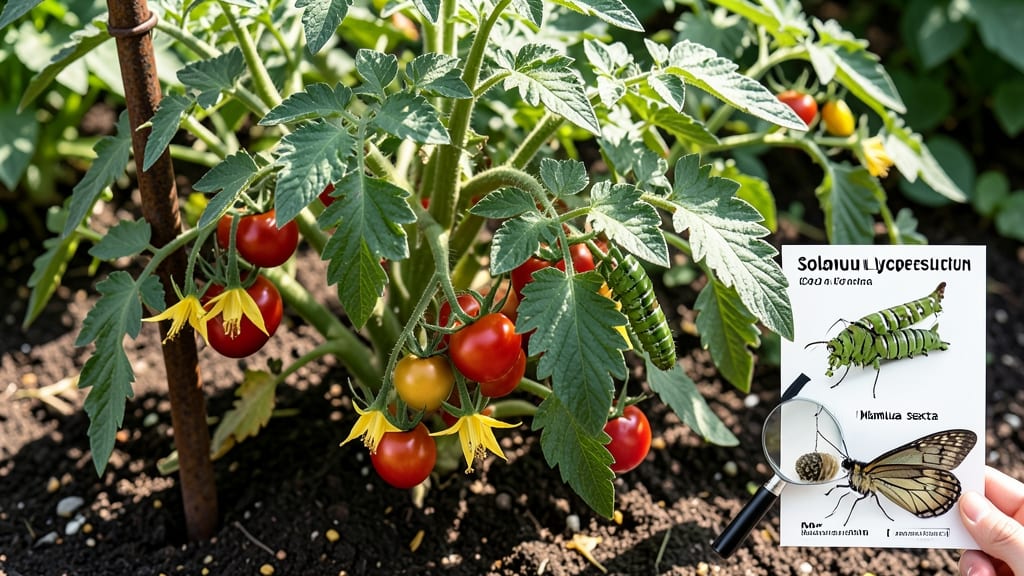
Tomato hornworms do turn into butterflies—they become the striking five-spotted hawk moth (Manduca quinquemaculata), recognizable by their vibrant green bodies, white diagonal stripes, and distinctive horn-like tail. Their transformation follows a complete metamorphosis: egg → caterpillar → chrysalis → adult moth.
This transformation is one of nature's most fascinating processes, where a voracious caterpillar becomes a graceful moth with a wingspan of up to 4.5 inches. 🌿 The five-spotted hawk moth is often mistaken for a butterfly due to its day-flying habits, but it belongs to the sphinx moth family, known for their long proboscis used to sip nectar from deep flowers.
Gardeners sometimes observe this cycle firsthand when they notice caterpillars disappearing from tomato plants only to later spot the striking adult moths in their gardens.
The metamorphosis isn't just about physical changes—it's a hormonal journey. The caterpillar's body produces ecdysone, a hormone that triggers each molting stage, eventually leading to the formation of the chrysalis.
Temperature plays a crucial role: warmer conditions can accelerate the process, while cooler weather may extend the caterpillar stage by weeks. This biological dance between genetics and environment creates the perfect conditions for the garden's nighttime pollinators.
💡 In This Article
- Tomato Hornworm to Butterfly: The Complete Metamorphosis Process
- Identifying Tomato Hornworm Stages in Your Garden
Tomato hornworm to butterfly: the complete metamorphosis process
The journey from tomato hornworm to five-spotted hawk moth begins with egg stage, where females lay clusters of 150-200 tiny yellow eggs on tomato leaves. These eggs hatch in just 3-5 days under ideal conditions (75-85°F), releasing caterpillars that immediately start devouring foliage.
The caterpillar phase lasts 4-6 weeks, during which they molt 5-7 times, growing from ¼-inch to 4 inches long. Their iconic horn—actually an osmeterium (a defensive organ)—appears during the third instar (growth stage).
The transformation kicks into high gear when the caterpillar reaches full size and stops eating. Inside its body, ecdysone hormones trigger the formation of a chrysalis, which hangs from stems or branches.
This 10-14 day pupal stage is when the magic happens: the caterpillar's tissues break down and reorganize into adult structures. Temperature dramatically affects this phase—warmer 85°F+ conditions can shorten it to 7 days, while cooler 65°F may extend it to 3 weeks.
Humidity also matters; low levels can cause chrysalises to dry out and fail to emerge.
When the adult emerges, it pumps hemolymph (insect "blood") into its wings to expand them to their full 4.5-inch wingspan. The newly hatched moth's body is soft and pale, but within 24 hours, it hardens and develops its signature vibrant green body with white diagonal stripes.
This adult stage lasts 7-10 days, during which the moth focuses solely on reproduction and pollination. Unlike butterflies, these moths don't have mouthparts for feeding as adults—they sip nectar using their 1.5-inch proboscis, a tube that unfurls like a straw.
What most gardeners don't realize is that the entire cycle—from egg to flying moth—can complete in just 6-8 weeks under optimal conditions. This rapid development explains why tomato hornworms seem to appear suddenly in gardens each season.
The process is also temperature-dependent: in cooler climates, the cycle may stretch to 10-12 weeks, while tropical regions can see multiple generations per year. This biological flexibility ensures the species thrives across diverse environments.
The hormonal control system behind this transformation is remarkably precise. Ecdysone triggers each molting stage, while juvenile hormone levels determine whether the insect becomes another caterpillar stage or transitions to pupation. When juvenile hormone levels drop, the caterpillar's body knows it's time to form a chrysalis.
Scientists study this process to understand genetic switches that could potentially be applied to other species. 🌱
One fascinating detail is how the caterpillar's body prepares for metamorphosis. During the final instar (growth stage), it accumulates fat reserves in specialized cells that will later nourish the developing adult structures inside the chrysalis.
This stored energy fuels the dramatic reorganization of tissues, muscles, and organs that occurs during pupation. The result is a near-perfect adult moth emerging from what was once a leaf-munching caterpillar.