
Pests
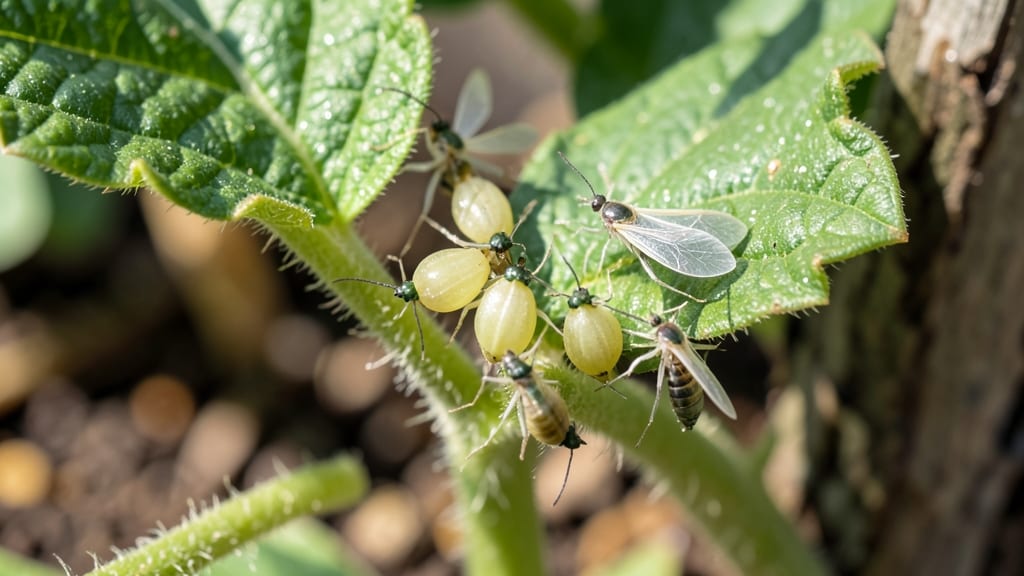
Those little bugs on your tomato plants are stealing your harvest before it even ripens. 🌱 I’ve battled every common culprit—from aphids to spider mites—and learned the foolproof organic fixes that save both plants and your sanity.
The worst offenders (aphids, whiteflies, hornworms) all share one weakness: they hate neem oil, soapy water, or beneficial insects like ladybugs. Most gardeners panic and grab chemicals, but the real secret is acting fast—within 3-5 days of spotting them.
By next week, your plants will bounce back with vibrant green leaves and plump tomatoes instead of skeletonized vines. The key is checking undersides of leaves daily and using row covers to block pests before they start.
This works for container tomatoes, raised beds, or in-ground gardens—no matter how bad the infestation looks now, we’ll turn it around.
Root Causes Of Tiny Plant Invaders
When you spot tiny bugs on your tomato plants, it’s rarely a random event—these pests are drawn to specific conditions that make your garden an all-you-can-eat buffet. Understanding why they show up is the first step to kicking them out for good.
Below, we break down the science behind their uninvited visits, from environmental triggers to plant vulnerabilities.
Tomatoes are like neon signs for hungry insects when they’re soft, bruised, or overripe. Here’s why:
- Sugar & Moisture Magnet: Ripe tomatoes release volatiles (chemical signals) that attract fruit flies, aphids, and even spider mites. These compounds mimic the scent of fermenting fruit—nature’s way of saying, “Eat me!” 🍅🐝
- Physical Weakness: Cracked or split tomatoes provide easy entry points for pests like hornworms or stink bugs, which chew through flesh without resistance.
- Fungal Bait: Overripe fruit often rots, creating the perfect breeding ground for fungus gnats and their larvae.
Actionable Fix: Harvest tomatoes as soon as they ripen, and remove any fallen or damaged fruit immediately—even from the soil beneath the plant.
Pests thrive in cozy, damp environments, and tomato plants often create the perfect hideout. Here’s the science:
- Heat Lovers: Many tomato pests, like whiteflies or aphids, prefer temperatures between 75–85°F (24–29°C). Your garden’s heat-trapping foliage becomes their personal sauna. 🌡️☀️
- Humidity Havens: Dense tomato vines trap moisture, creating ideal conditions for fungus gnats and thrips. High humidity also weakens plant defenses, making them easier targets.
- Nighttime Cool-Downs: Some pests, like cutworms, are nocturnal and seek shelter in leaf litter or soil during the day—only to munch at night when temps drop.
Actionable Fix:
- Improve airflow with pruning and staking to reduce humidity.
- Use mulch sparingly (or opt for straw instead of thick plastic) to balance moisture.
- Water early in the day to let foliage dry before pests wake up.
A stressed tomato plant is like a weak fortress—easy pickings for pests. Here’s how poor nutrition plays a role:
- Nitrogen Starvation: Plants low in nitrogen produce softer leaves, which aphids and spider mites adore. These pests also excrete honeydew, a sticky byproduct that attracts ants (who “farm” them for the sugar). 🐜🍯
- Potassium Deficiency: Without enough potassium, tomato plants can’t produce strong cell walls, making them vulnerable to chewing pests like hornworms.
- Over-Fertilization: Too much synthetic fertilizer (especially high in phosphorus) can burn roots, weakening the plant and making it more attractive to root-feeding pests like grubs.
Actionable Fix:
- Test your soil and amend with compost or balanced organic fertilizer (e.g., 5-5-5 or 3-4-6 NPK ratio).
- Avoid broad-spectrum pesticides, which can kill beneficial insects that prey on pests.
- Use foliar sprays with seaweed extract or fish emulsion to boost plant resilience.
If your garden had pests last season, they’re probably still lurking in the soil or plant refuse. Here’s how:
- Overwintering Eggs: Many pests, like stink bugs or colorado potato beetles, lay eggs in leaf litter, mulch, or soil that hatch when temps rise. A single egg can produce hundreds of offspring by summer. 🥚💥
- Hibernating Adults: Some insects, like whiteflies, hide in cracks of garden tools, trellises, or even your greenhouse walls until conditions are perfect.
- Root-Grown Invaders: Larvae from pests like root-knot nematodes can survive for years in contaminated soil, waiting for a new host.
Actionable Fix:
- Clear all plant debris from the garden bed (including fallen leaves and old stakes) and compost it separately (or burn it if possible).
- Rotate crops yearly to starve out soil-borne pests.
- Solarize soil in spring by covering it with clear plastic for 4–6 weeks to kill overwintering eggs.
By addressing these root causes, you’re not just treating the symptoms—you’re breaking the cycle that keeps pests coming back. Next, we’ll dive into how to evict them for good without harming your harvest. 🚫🐞
Quick Fixes for Tiny Tomato Plant Invaders
Now that you’ve identified the culprits—whether they’re aphids, spider mites, whiteflies, or fungus gnats—it’s time to act! The good news? You don’t need harsh chemicals to evict these pests.
With a few organic, garden-friendly tactics, you can restore your tomato plants to their thriving selves while keeping your harvest safe and delicious. Below, we’ve mapped out targeted solutions for each pest, along with preventive measures to keep them from crashing your garden party again.
How to Kick Them Out: Aphids cluster on tender new growth, draining your plants of energy. Here’s how to banish them fast:
- 🔥 Blast Them Off Use a strong stream of water from your hose to knock aphids off leaves. Repeat every few days until they’re gone. (Pro tip: 💡 Do this in the morning so leaves dry quickly, preventing fungal issues.)
- 🍳 Soapy Water Spray Mix 1 tsp mild liquid soap (like Castile soap) + 1 quart water in a spray bottle. Drench the undersides of leaves where aphids hide. Test on a small area first—some plants are soap-sensitive!
- 👨🍳 Introduce Predators Ladybugs, lacewings, and parasitic wasps love aphids. Buy or attract them by planting dill, fennel, or marigolds nearby. (Bonus: 🎯 These predators won’t harm your tomatoes!)
Prevent Future Attacks:
- 🌡️ Keep Plants Healthy: Strong plants resist pests! Ensure your tomatoes get full sun (6–8 hours/day), consistent watering (1–1.5 inches/week), and balanced fertilizer (like 5-5-5).
- 🌿 Prune Regularly: Remove yellowing or crowded leaves to reduce hiding spots.
- 🛡️ Use Row Covers: Early in the season, cover seedlings with floating row covers to block aphids before they arrive.
How to Smother Them: These microscopic pests thrive in hot, dry conditions and spin webs on leaf undersides. Fight back with:
- 🍳 Neem Oil Spray Mix 1 tbsp neem oil + 1 tsp mild soap + 1 quart water. Spray every 5–7 days until mites disappear. (Warning: 🌡️ Apply in the evening to avoid burning leaves in direct sun.)
- 👨🍳 Increase Humidity Spider mites hate moisture. Mist your plants daily or place a shallow tray of water near them to boost humidity.
- 🔪 Predatory Mites to the Rescue Release phytoseiulus persimilis (a beneficial mite) to hunt down spider mites. Available online or at garden centers.
Prevent Return Visits:
- 💦 Water Deeply & Often: Keep soil moist but not soggy—mites love drought-stressed plants.
- 🌿 Mulch Heavily: A 2–3 inch layer of straw or grass clippings retains moisture and deters mites.
- 🛡️ Avoid Over-Fertilizing: Too much nitrogen = soft, tasty leaves = mite buffet. Stick to a balanced 10-10-10 fertilizer.
How to Trap and Trap Them: These tiny, white, moth-like bugs flutter away when disturbed. Smother them with these tricks:
- 🕯️ Yellow Sticky Traps Hang yellow sticky cards near your plants. Whiteflies are drawn to yellow and get stuck. Replace traps every 2 weeks.
- 🍳 Insecticidal Soap or Horticultural Oil Spray soapy water (as above) or horticultural oil directly on leaf undersides where whiteflies hide. Repeat every 3–5 days for 2 weeks.
- 👨🍳 DIY Spinosad Spray Mix 1 tsp spinosad (organic pesticide) + 1 quart water. Spray early in the morning—it’s safe for humans but deadly to whiteflies.
Stop Them Before They Start:
- 🌿 Remove Debris: Whiteflies love old leaves and weeds. Clear out garden trash and mulch regularly.
- 🛡️ Use Reflective Mulch: Aluminum foil or silver plastic mulch confuses whiteflies and reduces egg-laying.
- 🌡️ Avoid Overwatering: Damp soil attracts fungus gnats, which whiteflies’ eggs love. Water at the base, not overhead.
How to Drown Their Larvae These tiny black flies lay eggs in moist soil, and their larvae munch on roots. Drown them with these methods:
- 🔥 Diatomaceous Earth (DE) Sprinkle food-grade DE on dry soil around your plants. It dehydrates larvae on contact. (Reapply after watering.)
- 🍳 Yellow Sticky Traps (Again!) Place traps just above soil level to catch adult gnats before they lay eggs.
- 👨🍳 Let Soil Dry Between Waterings Fungus gnats need moisture to survive. Water only when the top inch of soil is dry, and avoid over-potting (use pots with drainage holes).
Keep Them Out for Good:
- 🌿 Use Sand or Perlite Mix coarse sand or perlite into potting soil to reduce compaction and deter egg-laying.
- 🛡️ Apply Beneficial Nematodes Steinernema feltiae nematodes hunt fungus gnat larvae. Apply to soil every 4–6 weeks during growing season.
- 🌡️ Try a Coffee Ground Barrier Sprinkle used coffee grounds on soil—fungus gnats hate the smell and it improves soil health!
No matter who’s crashing your tomato party, these garden habits will keep pests at bay:
- 🌿 Rotate Crops: Plant tomatoes in a different spot each year to break pest life cycles.
- 🛡️ Interplant with Repellents: Basil, garlic, onions, and marigolds deter many tomato pests naturally.
- 🌡️ Monitor Daily: Check leaf undersides and soil every 2–3 days for early signs of trouble.
- 💡 Clean Up: Remove fallen leaves, weeds, and debris—they’re pest hideouts!
Final Thought: 🎯 Most of these pests can be eliminated in 2–4 weeks with consistent action. The key? Act fast, stay vigilant, and let nature help you with beneficial insects and organic sprays. Your tomatoes will be thriving, pest-free, and ready for harvest in no time!
Frequently asked questions
What are the most common tiny bugs on tomato plants?
The usual suspects include aphids (tiny green/black clusters), spider mites (microscopic red/yellow specks), whiteflies (tiny white moths that flutter away), and hornworms (green caterpillars with white stripes). Check undersides of leaves first—they love hiding there!
How do I know if my tomato plants have spider mites?
Look for tiny yellow specks on leaves (actually mite waste), fine webbing between leaves, or leaves that look dusted with flour. Hold a white sheet under the plant and shake it—if you see tiny red dots, it’s mites! They thrive in dry, hot conditions.
Can I use neem oil on ripe tomatoes?
Yes, but harvest any ripe tomatoes first and wait 24 hours before eating sprayed fruit. Neem oil is organic and safe, but it has a bitter taste. For best results, spray early in the morning on leaves only, avoiding direct contact with tomatoes.
Will ladybugs actually eat aphids on my tomato plants?
Ladybugs are aphid-eating machines—one adult can devour 5,000 aphids in its lifetime. Release them at dusk when they’re most active, and provide water sources (like shallow dishes with pebbles) to keep them around longer.
How long does it take to see results from organic treatments?
Most organic methods (like neem oil or soapy water) show improvement within 3-5 days of consistent use. For severe infestations, it may take 2-3 weeks of daily treatments. The key is persistence—don’t give up after one application!