
Vegetables
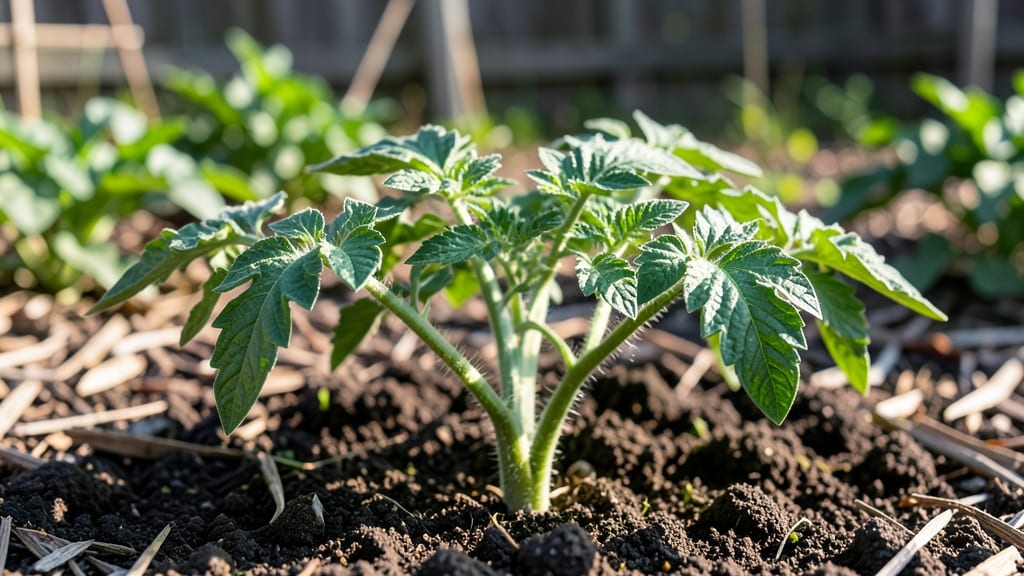
Growing Roma tomato seedlings from seed gives you the earliest, most flavorful harvests—if you nail the first six weeks. 🌱 I’ve lost count of the times I’ve rushed seedlings along only to watch them flop when transplanted, but this method works every time, even for beginners.
Start with a seed-starting mix that’s light and airy—no garden soil here—then plant seeds just ¼ inch deep in small pots. Keep them warm (70°F) and moist, and you’ll see those first leaves in about a week. The goal is sturdy, stocky plants with strong stems ready for the garden.
By week six, your seedlings should be 6-8 inches tall with at least two sets of true leaves. Harden them off gradually before transplanting, and you’ll have plants that take off like rockets instead of wilting under the sun.
Works for any climate—just adjust timing for your last frost date. Here’s how to keep them thriving from seed to soil.
📚 In This Guide
- What you need
- Instructions
- Tips and common mistakes
- Wrapping up and next steps
What you need
- ● Roma tomato seeds: 3–5 seeds per pot (or 10–15 seeds if sowing directly in the garden). Choose heirloom or hybrid varieties like 'Roma VF' or 'Plum Perfect' for disease resistance.
- ● Seed-starting trays or small pots: 2–3 inch pots or a seed tray with individual cells. Use biodegradable pots if transplanting later!
- ● Seed-starting mix: A lightweight, sterile potting mix designed for seedlings (avoid garden soil—it’s too dense and can harbor diseases).
- ● Grow lights or a sunny windowsill: Roma tomatoes need 12–16 hours of light daily. A full-spectrum LED grow light (or a south-facing window) works best.
- ● Watering can or spray bottle: Keep the soil consistently moist but not soggy. A spray bottle helps avoid disturbing seedlings.
- ● Plant labels or markers: Label each pot with the variety and date to track growth.
- ○ Fertilizer (optional but helpful): A balanced, water-soluble fertilizer (5-5-5 or 10-10-10) or a seed-starting fertilizer like Fish Emulsion to give seedlings a nutrient boost.
- ● Trowel or small shovel: For transplanting seedlings later.
- ○ Heat mat (optional): Speeds up germination if your home is chilly (70–75°F is ideal).
- ● Humidity dome or plastic wrap: Helps retain moisture during germination (remove once sprouts appear).
- ● Pruning shears or scissors: For trimming leggy seedlings later.
- ● Garden twine or stakes: Supports seedlings as they grow taller (even indoors!).
Step-by-step instructions for growing Roma tomato seedlings
Here's how I turn tiny Roma seeds into sturdy, sun-loving plants ready for transplanting.
🌱 Step 1: Start Seeds in Warm, Moist Soil
Fill 2-3 inch deep seed trays or pots with sterile seed-starting mix. Roma tomatoes germinate best when soil stays between 75-85°F. I place my trays on a seedling heat mat to maintain consistent warmth—this cuts germination time from weeks to days.
Press the mix down gently so it's firm but not compacted. Create small holes about ¼ inch deep—roughly the size of a pencil tip—and place 1-2 seeds in each. Cover lightly with additional mix, then mist the surface until evenly damp. A spray bottle prevents seeds from washing away.
Cover the tray with plastic wrap or a humidity dome to trap warmth and moisture. Check daily but resist watering again until the soil surface feels dry to the touch. Germination typically occurs in 7-10 days, though cooler rooms may take 12-14 days.
💧 Step 2: Provide Light and Prevent Leggy Growth
The moment seedlings emerge, remove the cover immediately. Leggy growth starts when seedlings stretch toward light, and Roma tomatoes are especially prone to it. Place them under a grow light or in a south-facing window where they receive 14-16 hours of light daily.
Keep the light 2-4 inches above the seedlings and raise it as they grow. You'll notice strong seedlings have thick stems and dark green leaves spaced closely together. If stems look thin and leaves are pale, the light is too far away.
Water from the bottom by placing trays in ½ inch of water for 10-15 minutes. This prevents soil from splashing on leaves, which can spread disease. Let seedlings dry from the bottom up to develop strong root systems.
☀️ Step 3: Fertilize and Harden Off Before Transplanting
When seedlings develop their first true leaves (the second set after the initial seed leaves), feed them with a diluted liquid fertilizer (half-strength). I use a balanced 10-10-10 mix to encourage even growth. Water thoroughly before and after fertilizing to prevent root burn.
Two weeks before your last frost date, begin hardening off. Start by placing seedlings outside in a shaded spot for 1-2 hours the first day. Gradually increase their outdoor time by 1 hour daily until they can tolerate a full day. This toughens their stems and leaves for garden conditions.
Watch for signs of stress like wilting or yellowing leaves. If you see this, move them back indoors for a day and extend the outdoor time more slowly. Roma tomatoes thrive in 60-85°F soil temperatures, so avoid transplanting until nighttime temps stay above 50°F.
🪴 Step 4: Transplant to the Garden
Choose a sunny spot with 6-8 hours of direct sunlight daily. Roma tomatoes need space, so plant each seedling 2-3 feet apart in rows 3 feet apart. Dig holes slightly deeper than the root ball and loosen the soil around the edges to encourage root spread.
Gently remove seedlings from their trays, keeping the root ball intact. Place each in a hole, fill with soil, and water deeply to settle everything. I add a handful of compost to the planting hole to give the roots an extra boost.
After transplanting, water at the base daily for the first week to help roots establish. Mulch with 2-3 inches of organic material to retain moisture and prevent weeds. Roma tomatoes are heavy producers, so stake or cage each plant immediately to support their weight as they grow.
Tips & tricks for perfect Roma tomato seedlings
Here's what nobody tells you about growing Roma tomato seedlings that actually thrive.
Heat Factor: That 75-85°F soil temperature range is non-negotiable for Roma seeds. I learned this the hard way—cooler soil slows germination to weeks instead of days. If your home stays below 70°F, invest in a seedling heat mat ($15-20) or place trays on top of your fridge. The extra warmth makes all the difference in those first critical days.
Lighting Secret: Those 14-16 hours of daily light are essential, but placement matters just as much. Position your grow light or seedlings so leaves don't touch the bulb—this prevents scorching. I raise my light fixture as seedlings grow, keeping it just 2-4 inches above the tallest leaves. Watch for stems that stretch toward light (legginess)—this means they need more intensity or closer positioning.
Watering Wisdom: The 10-15 minute bottom-watering method in Step 2 might seem counterintuitive, but it's a game-changer. This technique prevents fungal diseases by keeping foliage dry while ensuring roots get consistent moisture. After watering, let the trays drain completely—soggy soil leads to rot. I use saucers under my seed trays to catch excess water, then empty them after 15 minutes.
Transplant Timing: When checking nighttime temperatures above 50°F for transplanting, don't rush! Roma tomatoes are sensitive to cold. I wait until soil temperatures reach at least 60°F before moving them outside permanently. A simple soil thermometer ($10) makes this easy—just check in the morning for accurate readings. The extra week of waiting prevents transplant shock that can set plants back for weeks.
Pro Tips for Roma Tomato Seedlings
- Here's what nobody tells you about growing Roma tomato seedlings that actually thrive.
- Heat Factor: That 75-85°F soil temperature range is non-negotiable for Roma seeds.
- Lighting Secret: Those 14-16 hours of daily light are essential, but placement matters just as much.
Frequently asked questions
Got questions about growing Roma tomato seedlings? You’re not alone! Here are answers to the most common queries to help you nurture healthy, productive plants from seed to harvest.
When is the best time to start Roma tomato seedlings indoors?
Start seeds 6–8 weeks before your last frost date. For most gardeners, this means early March to mid-April. Roma tomatoes thrive with warmth, so use a seedling heat mat if your home is chilly. Aim for 70–80°F (21–27°C) soil temps for optimal germination.
How long do Roma tomato seedlings take to germinate?
Germination typically occurs in 7–14 days at the right temps. Keep soil consistently moist (not soggy!) and place seeds in a warm, indirectly lit spot. If seeds don’t sprout in 2 weeks, try gently pressing a toothpick into the soil to check for life—sometimes they’re just stubborn!
Can I transplant Roma tomato seedlings too soon after germination?
Wait until seedlings have 2–3 true leaves (not just cotyledons) and are at least 3 inches tall. Harden them off for 7–10 days before moving outdoors: start with 1–2 hours of sunlight daily, then gradually increase exposure. Transplanting too early stresses delicate roots.
What should I do if my Roma tomato seedlings look leggy or weak?
Leggy seedlings need more light! Move them 2–3 inches closer to grow lights (or a sunny windowsill) and reduce fertilizer until they’re stronger. Rotate trays daily for even growth. If roots are circling, it’s time to transplant into larger pots with fresh potting mix.
Are there alternatives to Roma tomatoes for small spaces or containers?
Try ‘Tiny Tim’ (bush variety), ‘Patio’ (compact), or ‘Micro Tom’ (dwarf). These thrive in 5-gallon containers and produce sweet, smaller fruits. Just ensure they get 6–8 hours of sunlight daily—Roma tomatoes are worth the space, but these are great for balconies!
How do I protect my seedlings from pests like aphids or fungus gnats?
Prevent pests with cleanliness: Use sterile soil and pots, and avoid overwatering. For aphids, blast them off with water or introduce ladybugs. Fungus gnats? Let the topsoil dry slightly between waterings and use yellow sticky traps. Neem oil is a natural, gentle remedy for early infestations.
Wrapping up and next steps
Growing roma tomato seedlings into thriving plants in just six weeks is totally doable—even for beginners! 🌱 With the right soil, light, and care, you’ll be harvesting juicy, flavorful tomatoes in no time. Trust the process, stay consistent, and soon you’ll be enjoying homegrown goodness straight from your garden.
Ready to take the next step? Transplant your seedlings outdoors (or into larger containers) once they’ve developed 3-4 true leaves and nighttime temps stay above 50°F (10°C). Happy gardening—your future tomato harvest is waiting! 🍅✨