
Vegetables
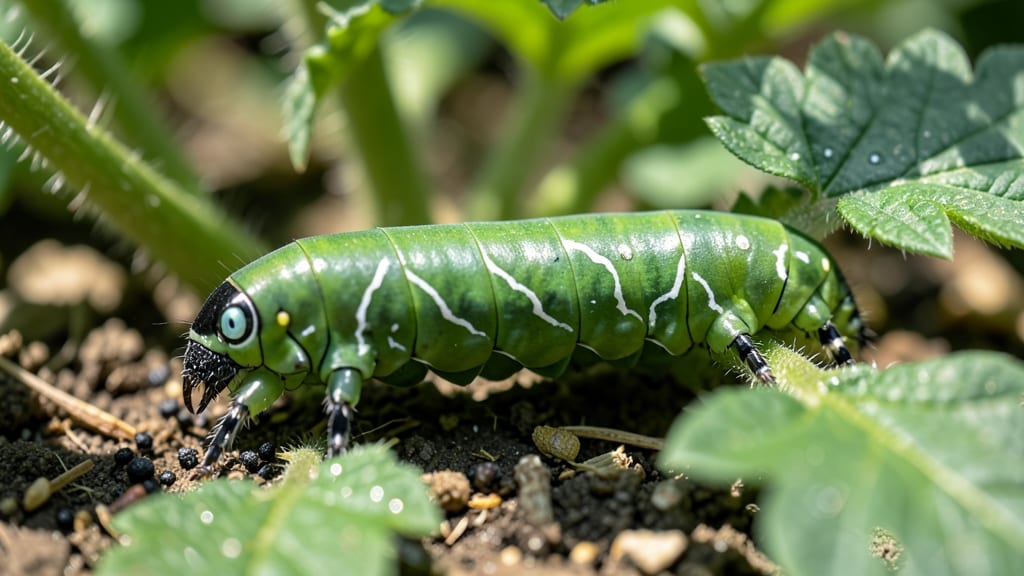
Spotting tomato hornworm pictures of these striped bandits means your plants are under siege—they can strip a tomato plant bare in days. 🌱 I’ve seen gardeners panic when they first spot one, but knowing what to look for (and when) makes all the difference.
This guide shows you exactly what to watch for, from egg to caterpillar to moth, so you can act fast before your harvest disappears.
The damage starts small—tiny holes in leaves, then missing chunks of foliage—but the real giveaway is the hornworm itself. These inch-long monsters (with a 2-inch appetite) hide under leaves during the day, so check the undersides of plants early morning or late evening.
Eggs are barely visible, but caterpillars grow fast—up to 4 inches in weeks—so early ID is key.
Once you recognize them, removal is simple: drop them in soapy water or relocate them to a non-host plant. Organic controls like BT (Bacillus thuringiensis) work too, but act fast—these pests multiply overnight. The goal? Protect your tomatoes without harming bees or other beneficial insects.
Whether you’re dealing with a first infestation or a yearly battle, this guide gives you the visual clues and quick fixes to keep your plants thriving. No more guessing—just actionable steps to save your harvest.
Natural Attractions Drawn To Tomatoes
If you’ve ever spotted a tomato hornworm munching away on your prized plants, you’re not alone—these voracious caterpillars are drawn to gardens like a magnet. But why do they zero in on your tomato plants with such precision?
The answer lies in a mix of scent, habitat, and biology that makes your garden an all-you-can-eat buffet for them. Let’s break down the science behind their relentless appetite.
The primary reason tomato hornworms (scientific name: Manduca sexta) target your plants is their keenness for specific chemical cues. These caterpillars rely heavily on their sense of smell to locate their favorite meals, and tomatoes are basically a flavor bomb in their world.
- Volatile Organic Compounds (VOCs): When tomato leaves are damaged—even slightly—they release volatile organic compounds that act like a distress signal. These chemicals, including hexanal and (Z)-3-hexenal, are detectable by hornworms from up to 30 feet away. Think of it as your garden whispering, "Eat me!" in a language only they understand.
- Floral and Leafy Aromas: Tomatoes belong to the Solanaceae family, which produces alkaloids and terpenes that hornworms find irresistible. Compounds like β-ionone (found in tomato leaves) mimic the scent of their natural host plants, making your garden smell like a five-star restaurant to them.
- Damaged Plant Response: Once a hornworm starts feeding, the plant’s jasmonic acid levels spike, triggering a feedback loop. This chemical change attracts more hornworms because it signals "easy prey." It’s like a neon sign flashing: "Fresh buffet—hurry!"
Actionable Tip: 💡 If you notice early signs of hornworm damage, prune and remove affected leaves immediately. This can reduce the scent trail and buy you time to intervene before an infestation takes hold.
Tomato hornworms don’t just show up out of nowhere—they’re the result of a well-orchestrated life cycle that thrives in gardens like yours. Here’s how your space becomes their ideal breeding ground:
- Host Plant Availability: Hornworms are specialized feeders, meaning they only eat plants in the nightshade family (tomatoes, peppers, eggplants, potatoes). If your garden is a tomato lover’s paradise, you’ve essentially built a hornworm hotel.
- Warm Climates: These caterpillars thrive in temperatures between 75–85°F (24–29°C). If your region has long, hot summers, you’re providing the perfect incubator for their rapid growth. They can go from egg to full-sized caterpillar in just 6 weeks.
- Lack of Natural Predators: While birds, wasps, and parasitic flies (like Cotesia congregata) keep hornworm populations in check in the wild, urban and suburban gardens often lack these predators. Without their natural enemies, hornworms reproduce unchecked.
- Monoculture Gardens: Planting large blocks of the same crop (e.g., a massive tomato patch) creates a hornworm superhighway. In diverse gardens, they’re harder to find, but in a sea of identical plants? Jackpot.
Actionable Tip: 🌡️ Interplant tomatoes with basil, borage, or marigolds. These companion plants mask tomato scents and may deter hornworms. Additionally, encourage beneficial insects like ladybugs and lacewings by adding native flowers to your garden.
Tomato hornworms aren’t just attracted to your garden—they’re biologically engineered to exploit it. Their anatomy and behavior make them efficient, aggressive feeders with a knack for avoiding detection until it’s too late.
- Camouflage Masters: Their green bodies with white diagonal stripes mimic the veins of tomato leaves, making them nearly invisible until they’re mid-bite. This cryptic coloration is a survival tactic, but for gardeners, it means you might not spot them until your plants are already under siege.
- Rapid Growth Rate: A single hornworm can grow from 0.25 inches to 4 inches in just 10 days. During this time, they can consume up to 20 leaves per day—that’s a full tomato plant in less than a week.
- Nocturnal Feeding: While they’re active during the day, hornworms prefer to feed at dawn and dusk when temperatures are cooler and predators are less active. This means you might miss them during daytime inspections.
- Pheromone Communication: Female moths release sex pheromones that attract males from miles away. Once mated, females lay 200–300 eggs in just a few days, ensuring the next generation is already on its way.
Actionable Tip: ⏰ Inspect your plants early in the morning or late in the evening when hornworms are most active. Shake plants gently over a bucket of soapy water to disrupt their camouflage and spot hidden caterpillars.
Understanding these natural attractions is the first step in outsmarting tomato hornworms. By disrupting their scent cues, altering their habitat, and leveraging their biology against them, you can significantly reduce their impact on your garden.
Stay tuned for our next section on identifying early signs of an infestation—because catching them early is your best defense!
Quick Fixes for Hornworm Havoc
Dealing with tomato hornworms can feel like a never-ending battle, but don’t worry—there are effective, eco-friendly, and easy-to-implement solutions to keep these voracious caterpillars in check. Below, we’ve mapped out practical fixes based on the root causes, from manual removal to long-term prevention. No chemicals required!
If you’ve spotted a hornworm munching on your prized tomatoes, act fast—these caterpillars can devour entire leaves overnight!
- 👨🍳 Grab and Toss (or Relocate)
- Wear gloves (they’re hairy!) and pick them off by hand—drop them into soapy water to kill them instantly.
- Pro tip: Do this in the early morning when they’re sluggish and easier to catch. 🌅
- 🥘 Drop Them in a Bucket of Soapy Water
- Fill a bucket with hot, soapy water (dish soap works) and let the hornworms drown. This is humane, chemical-free, and effective.
Instead of fighting hornworms alone, enlist their natural enemies—birds, parasitic wasps, and predatory insects will handle the rest!
- 🐦 Attract Birds with Perches & Feeders
- Install birdhouses, feeders, or shallow dishes with water near your garden. Birds love snacking on hornworms!
- Pro tip: Plant native shrubs (like elderberry or serviceberry) to give birds extra shelter. 🐦💚
- 🐝 Encourage Parasitic Wasps (Braconid Wasps)
- These tiny wasps lay eggs inside hornworms, eventually killing them. They’re harmless to humans and won’t bother your plants.
- How? Plant dill, fennel, or parsley—these attract beneficial wasps. 🌿✨
- 🦋 Release Ladybugs & Praying Mantises
- Buy ladybug larvae or praying mantis eggs from garden centers—they devour hornworms like a buffet!
- Best time to release: Early morning or late evening when they’re most active. 🕊️🌙
Prevent hornworms from ever reaching your tomatoes with simple, DIY barriers:
- 🧶 Row Covers & Netting
- Use fine mesh netting (1/4-inch or smaller) over young plants. Secure it tightly so moths can’t lay eggs.
- Pro tip: Leave extra fabric at the base to prevent moths from sneaking in. 🪢🌱
- 🍅 Collar Young Plants with Cardboard or Plastic
- Wrap cardboard or plastic collars around stems to block egg-laying moths. Remove when plants are established.
- Bonus: This also deters cutworms! 🌿🔄
The best defense? Stopping hornworms before they hatch! Here’s how:
- 🌙 Inspect Leaves Nightly (Especially Undersides)
- Hornworm eggs are tiny, pale yellow, and laid in clusters—check every 2-3 days and crush them with your fingers. 🦗💥
- 🌿 Plant Companion Crops
- Basil, marigolds, and borage repel hornworm moths. Interplant them with tomatoes for a natural deterrent.
- Why it works: The strong scents mask tomato smells, confusing moths. 🌼🍅
- 🌱 Rotate Crops & Clean Up Debris
- Avoid planting tomatoes in the same spot yearly—hornworms overwinter in soil.
- Remove old plant debris in fall to eliminate hiding spots for eggs. 🧹🌱
- 🕯️ Use Yellow Sticky Traps
- Moths are attracted to yellow traps—place them near tomato plants to catch adult moths before they lay eggs.
- Where to buy: Garden centers or online (search for "tomato hornworm traps"). 🎯🐛
If hornworms are still winning, try these low-toxicity sprays (safe for pets and pollinators when used correctly):
| Spray | How to Use | Best Time to Apply |
|---|---|---|
| Neem Oil | Mix 1 tsp neem oil + 1 tsp mild soap + 1 quart water. Spray directly on leaves. | Evening (avoids harming bees) |
| Bacillus thuringiensis (Bt) | Sprinkle Bt powder on leaves or mix with water. Kills caterpillars on contact. | Early morning (dew is present) |
| Spinosad (Organic Option) | Follow label instructions—highly effective but use sparingly. | Dusk or dawn (reduces bee exposure) |
⚠️ Warning: Avoid chemical pesticides—they harm beneficial insects and can contaminate soil. Stick to organic methods for a healthier garden! 🌍🚫
Final Thought: With a mix of manual removal, natural predators, and smart prevention, you can keep your tomato plants thriving without losing a single leaf to these fuzzy bandits! 🍅💪
Frequently asked questions
What do tomato hornworm eggs look like in pictures?
Tomato hornworm eggs are tiny (1mm wide), pale yellow, and laid in clusters of 10-20 on the undersides of leaves. They resemble tiny grains of rice and are nearly invisible to the naked eye. Check leaf veins and stems carefully—early detection is key to preventing caterpillar outbreaks.
How big do tomato hornworms get before they become moths?
Full-grown tomato hornworms reach 3-4 inches long with a black \"horn\" on their rear end. They shed their skin 5-6 times during their 4-6 week caterpillar stage before pupating into moths. The faster you remove them, the less damage they’ll cause to your plants.
What's the fastest way to get rid of hornworms without chemicals?
The quickest method is manual removal: Pick them off by hand (wear gloves—they’re hairy!) and drop them into soapy water. For immediate results, check plants early morning or late evening when they’re sluggish. This method is 100% effective and works instantly.
Can tomato hornworms harm other plants besides tomatoes?
While they prefer tomatoes, hornworms will also eat peppers, eggplants, potatoes, and tobacco plants—all nightshade family members. They’ll even nibble on basil occasionally, though it’s not their main food source. The key is to act fast if you spot them on any plant in your garden.
How long does it take for a hornworm to destroy a tomato plant?
A single hornworm can strip a tomato plant of all leaves in just 3-5 days if left unchecked. Their rapid growth means they can go from tiny caterpillars to leaf-eating machines in weeks. Early detection and removal are critical to saving your plants.