
Pests
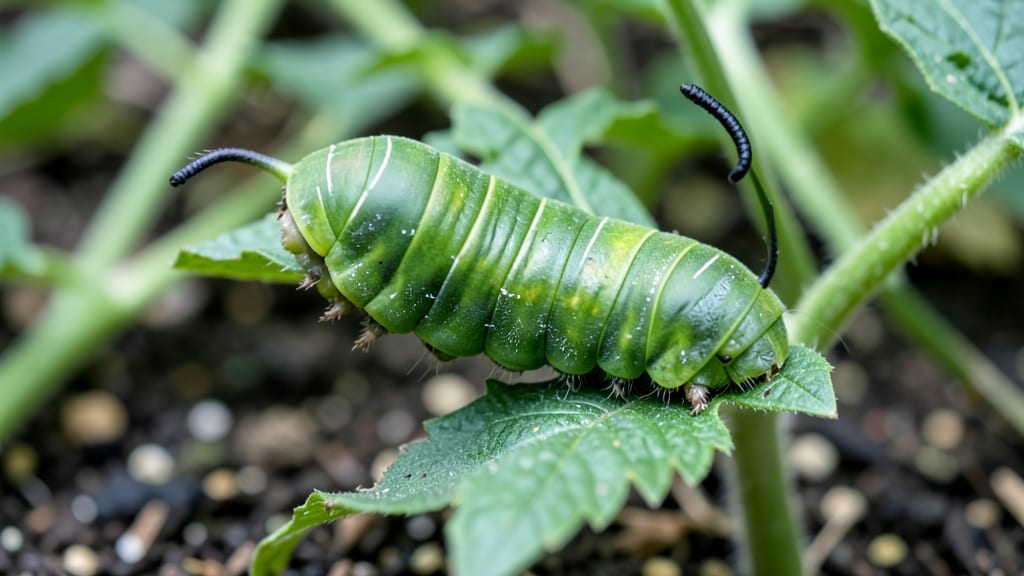
Tomato worm images are your first line of defense against these sneaky pests 🍅 — knowing what to look for means you can stop them before they ruin your harvest.
Picture this: you step into your garden after a week of rain, only to find your tomato plants skeletonized, leaves chewed to ribbons. That’s the work of tomato worms, and spotting them early is the key to saving your plants.
These pests come in different stages — eggs, larvae, pupae, and adults — each with distinct features that make them easier (or harder) to spot. Without the right visual cues, you might miss the early signs of an infestation until it’s too late.
In this guide, I’ll walk you through the life cycle stages of tomato worms, complete with images and tips to help you identify them fast. You’ll also learn how to tell them apart from other garden pests and how to act before they take over.
Tomato worm life cycle stages with images and key identification features
When those green, striped caterpillars appear on your tomato plants, you're likely dealing with tomato hornworms—one of the most destructive garden pests. Understanding their life cycle stages helps you spot them early and protect your harvest before they cause irreversible damage.
These worms can devour entire leaves overnight, leaving behind a trail of chewed foliage and black frass (droppings).
Knowing what to look for at each stage—from tiny eggs to full-grown larvae—lets you intervene before your plants suffer. The key is recognizing their distinct markings, sizes, and behaviors. For example, hornworm larvae can grow up to 4 inches long and have V-shaped markings along their bodies.
Let’s break down each stage with visual clues and damage signs so you can act fast.
🚨 CRITICAL: Early detection is your best defense. A single hornworm can skeletonize a tomato plant in 24 hours. By the time you see major damage, the larvae may already be pupating in the soil, making them harder to control. Here’s how to identify them at every stage.
| Stage | Description | Size | Key Features | Damage Signs |
|---|---|---|---|---|
| Egg | Small, round eggs laid singly or in clusters on tomato leaves. | 1/16 inch | Yellowish-green or white, slightly flattened shape. | None (eggs are harmless until they hatch). |
| Larva (Early) | Newly hatched caterpillars with black heads and green bodies. | 1/4 inch | Black head capsule, white diagonal stripes. | Tiny holes in leaves, frass (droppings). |
| Larva (Late) | Fully grown hornworms with distinct markings. | 2-4 inches | Green body, V-shaped white markings, black horn on tail. | Skeletonized leaves, missing flowers/fruit, heavy frass. |
| Pupa | Green cocoon buried in soil, 1-2 inches deep. | 1.5-2 inches | Smooth, shiny exterior, no visible segments. | None (pupae are inactive in soil). |
| Adult (Moth) | Large sphinx moths with gray-brown wings. | 3-4 inches wingspan | Thick body, long proboscis, nocturnal. | None (adults don’t feed on plants). |
The larval stage is where tomato worms cause the most damage, and it lasts about 4-6 weeks. During this time, a single hornworm can consume up to 100 tomato leaves! Look for chewed leaves with only the veins remaining—a classic sign of their feeding.
The frass (droppings) they leave behind is another dead giveaway. It’s dark and granular, often found near the damage.
If you spot pupae in the soil, don’t panic—they’re already transitioning to moths. However, this means the cycle will restart in 1-2 weeks. To break the cycle, remove pupae from the soil and destroy them.
The adult moths are harmless to your plants, but they’ll lay 200-300 eggs each, starting the destruction all over again.
One of the most misunderstood stages is the early larva. Many gardeners mistake these tiny caterpillars for aphids or small beetles because of their size. But their black head and white stripes are unmistakable if you know what to look for.
At this stage, you can handpick them off your plants with minimal effort, preventing a full-blown infestation.
For organic control, introduce parasitic wasps like Cotesia congregata
How to spot tomato worms in your garden using these 5 visual clues
If you've ever spotted large green caterpillars devouring your tomato leaves, you're likely dealing with tomato hornworms—one of the most destructive garden pests. These tomato worms can strip a plant bare in just 24 hours, but catching them early means saving your harvest.
The key is knowing what to look for beyond just the worms themselves.
Most gardeners focus on the worms, but the real damage starts with subtle visual clues like frass (caterpillar droppings), chewed leaves, and even silken webs.
Ignoring these early signs lets infestations spiral out of control. I've learned the hard way—my first year growing tomatoes, I missed these clues until my plants were skeletonized!
Large Green Caterpillars (3-4 inches)
Look for thick, green worms with white stripes and horn-like projections on their backs. These are tomato hornworms—the most common tomato worm.
Black Droppings (Frass) on Leaves
Tomato worms leave behind black, pellet-like droppings on leaves and stems. Check undersides of leaves first—their favorite hiding spot.
Skeletonized Leaves with Jagged Edges
Worms chew only the soft tissue, leaving behind veins and jagged edges. This is a clear sign of active feeding—often worse at night.
Silken Webs or Egg Masses on Stems
Check stem crevices for tiny white egg clusters (future worms) or fine silken threads where worms anchor themselves while feeding.
Missing Flowers or Fruit on Plants
Worms don't just eat leaves—they devour flowers and green tomatoes, too. If your plant has no blooms or small, chewed tomatoes, worms are likely the culprit.
Once you spot these visual clues, act fast. I recommend handpicking worms in the morning when they're sluggish (drop them in soapy water). For heavy infestations, introduce parasitic wasps like Cotesia congregata, which naturally control hornworm populations without chemicals.
Pro tip: Inspect your plants every 2-3 days during peak growing season (June-August). Early detection means minimal damage and healthy tomato plants ready for harvest. Trust me, your future self will thank you when you're feasting on plump, worm-free tomatoes instead of sad, chewed-up vines!