
Companion Plants
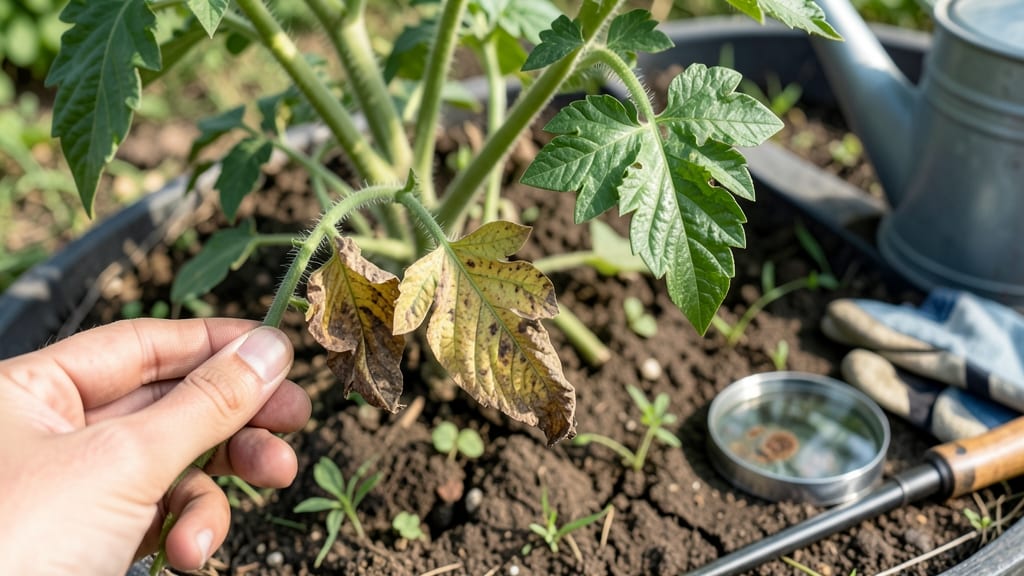
Your tomato plant’s wilted leaves aren’t a death sentence—just a wake-up call. 🌱 I’ve revived plenty of crispy-looking plants with a simple copper spray, and I’ll show you exactly how it works.
The key is figuring out whether your plant needs water, nutrients, or a fungal fight before reaching for the spray bottle.
Most wilt happens from overwatering (root rot) or underwatering (stress), but fungal diseases like fusarium wilt can turn leaves crispy overnight. Start by checking the soil: if it’s soggy, cut back watering immediately.
If it’s bone-dry, give it a deep drink—but don’t drown it again. Copper spray works best for fungal issues, but only after you’ve ruled out water problems.
Within 48 hours of proper care, you’ll see leaves perk up again—no more sad, droopy stems. The secret is consistency: water at the base, not the leaves, and always in the morning. For fungal wilt, a weekly copper spray keeps plants fighting fit until harvest time.
This works for backyard gardens, containers, and even raised beds—just adjust the spray volume. If wilt spreads despite your efforts, it might be time to consult a local extension office. Let’s get those tomatoes back to their crispy, productive best!
Root Causes Behind Wilted Tomato Leaves
Wilted leaves on your tomato plants can feel like a gut punch—especially when you’ve poured so much care into them. 🌱💔 But before you panic, let’s break down the real culprits behind this common issue.
Understanding the why is the first step to fixing it fast. Below, we’ll explore the most likely reasons your tomato plant’s leaves are drooping, wilting, or turning crispy, along with the science behind each one.
Tomatoes thrive on consistency, but too much water (or the wrong kind) can drown their roots. When soil stays soggy for too long, roots suffocate from a lack of oxygen—a condition called anaerobic stress.
This disrupts the plant’s ability to absorb water and nutrients, leading to wilting, even if the soil feels damp.
- Why it happens: Excess water forces air out of soil pores, smothering root respiration.
Over time, roots may rot, especially if drainage is poor (clay soil, compacted earth, or containers without holes). - Signs to watch for: - Yellowing leaves (bottom-up) - Mushy, dark roots when inspected - Wilting that worsens after watering (not improves) - Actionable fix: Let the top 1–2 inches of soil dry out between waterings.
Amend heavy soil with perlite or compost to improve aeration. Elevate containers to prevent water pooling.
Tomatoes are thirsty plants, and wilting often signals they’re begging for hydration. But heat can also mimic drought stress, even if the soil isn’t dry. High temperatures cause transpiration (water loss through leaves) to skyrocket, outpacing the roots’ ability to replenish moisture.
- Why it happens: When soil moisture drops below 50%, roots struggle to pull water upward.
Heat also triggers osmotic stress, where cells lose turgor pressure (the "plumpness" that keeps leaves upright). - Signs to watch for: - Leaves curl or droop during the day, then recover slightly at night - Dry, crispy edges (not just wilting) - Soil pulls away from pot edges (extreme dryness) - Actionable fix: Water deeply in the morning (1–1.5 inches per week, more in heatwaves).
Use mulch to retain moisture and shade cloth to protect plants from midday sun. Drip irrigation is ideal for consistent hydration.
Wilting can be a silent alarm for diseases like Fusarium wilt, Verticillium wilt, or early blight. These pathogens clog the plant’s xylem (water-transporting vessels), blocking nutrient flow and causing leaves to wilt—even if roots are healthy.
- Why it happens: - Fusarium/Verticillium wilt: Soil-borne fungi enter through root wounds, multiplying in vascular tissue. Tomatoes are especially susceptible if previously infected plants grew in the same soil. - Early blight: A fungal infection that starts on lower leaves, creating concentric "target" spots before spreading.
It weakens the plant’s structure, leading to wilting. - Signs to watch for: - Vascular wilts: Yellowing between veins, wilting that spreads upward, no leaf spotting. - Early blight: Brown, crusty spots with yellow halos; wilting starts at the base. - Damping-off: Seedlings collapse at the soil line (a sign of overwatered, fungus-rich soil). - Actionable fix: - Prevention: Rotate crops (avoid planting tomatoes in the same spot yearly).
Solarize soil in spring or use copper fungicide as a preventative spray. - Treatment: For early blight, remove infected leaves and spray with copper fungicide (like the one in this article!) every 7–10 days. Vascular wilts have no cure—destroy infected plants immediately to prevent spread.
Wilting can also stem from micronutrient deficiencies, particularly potassium (K), calcium (Ca), or magnesium (Mg). These minerals regulate water balance and cell strength. Without them, leaves lose turgor and crisp up, even if the plant isn’t thirsty.
- Why it happens: - Potassium deficiency: Weakens cell membranes, making them unable to hold water (common in sandy or leached soils). - Calcium deficiency: Causes blossom-end rot in fruits and blossom wilts (leaves curl and die prematurely). - Magnesium deficiency: Leads to interveinal chlorosis (yellowing between veins), followed by wilting. - Signs to watch for: - Potassium: Yellowing at leaf edges, weak stems, poor fruit set. - Calcium: Brown, leathery spots on fruit and wilting lower leaves. - Magnesium: Yellow patches between veins on older leaves. - Actionable fix: - Soil test first: Identify deficiencies before guessing.
Amend with: - Potassium: Kelp meal, greensand, or a balanced fertilizer (5-10-10). - Calcium: Crushed eggshells, lime, or gypsum (for clay soils). - Magnesium: Epsom salt (1 tbsp per gallon of water, foliar spray).
Hidden pests like root-knot nematodes, cutworms, or aphids can chew on roots or sap leaves, disrupting water uptake. Even overzealous weeding or transplant shock can sever fine root hairs, causing temporary wilting.
- Why it happens: - Nematodes: Microscopic worms burrow into roots, creating galls that block water absorption. - Cutworms: Young caterpillars sever stems at soil level, causing sudden wilting. - Aphids: Cluster on new growth, sucking sap and transmitting viruses. - Signs to watch for: - Nematodes: Stunted growth, gnarled roots, wilting that doesn’t improve with water. - Cutworms: Cleanly severed stems at the base; wilting happens overnight. - Aphids: Sticky residue (honeydew) on leaves; curled or distorted new growth. - Actionable fix: - Nematodes: Solarize soil, plant marigolds (natural nematicide), or use neem oil. - Cutworms: Use collars (cardboard rings) around stems or handpick at night. - Aphids: Spray with soapy water or introduce ladybugs.
Prune heavily infested leaves.
Tomatoes are sensitive to sudden changes in their environment. Wind, extreme heat, or even transplant shock can cause leaves to wilt as the plant conserves energy.
- Why it happens:
- Windburn: Dries out leaves faster than roots can replace moisture.
- Transplant shock: Roots take 1–2 weeks to adjust to new soil, causing temporary wilting.
- Cold snaps: Chills disrupt cellular function, leading to flaccid leaves.
- Signs to watch for:
- Wilting that occurs after moving plants or during high winds.
- Leaves that feel papery or brittle to the touch.
- Wilting that’s uniform across the plant (not patchy).
- Actionable fix:
- Wind protection: Use windbreaks (burlap screens, tall plants like corn).
- Transplant care: Water deeply before and after moving; avoid full sun for 3–5 days.
- Cold tolerance: Use row covers or black plastic mulch to moderate soil temps.
Ironically, copper—the hero of this article—can also cause wilting if misused. While copper fungicides (like copper sulfate) prevent diseases, overapplying them can lead to copper toxicity, where the mineral disrupts root function and nutrient uptake.
- Why it happens:
- Deficiency: Rare, but possible in highly organic soils. Copper is a micronutrient needed for photosynthesis and respiration.
- Toxicity: Excess copper (especially in acidic soils) binds to roots, blocking water and nutrient absorption.
- Signs to watch for:
- Deficiency:
Revive Your Tomatoes Fast
Wilted leaves on your tomato plants don’t mean game over—with the right approach, you can nurse them back to health and even prevent future droops. Below are practical, step-by-step solutions tailored to the most common causes of wilting, plus prevention tips to keep your plants thriving.
Let’s turn those sad, limp leaves into lush, productive foliage again!
Signs: Yellowing leaves, soggy soil, roots exposed above ground, or a foul smell.
How to Fix It: ✅ 🔥 Stop Watering Immediately
- Let the soil dry out completely before watering again. Overwatering suffocates roots and invites fungal diseases like Fusarium or Phytophthora.
✅ 🍳 Improve Drainage
- Amend heavy or compacted soil with perlite, sand, or compost (50/50 mix) to help water drain faster.
- If planting in containers, ensure pots have drainage holes and use a well-draining potting mix.
✅ 👨🍳 Repot if Necessary
- If roots are circling or rotting, transfer the plant to a larger pot with fresh, airy soil. Trim any mushy roots with sterilized scissors.
✅ ⏰ Adjust Your Watering Schedule
- Water deeply but infrequently—aim for 1–1.5 inches per week (adjust for climate). Early morning is best to reduce evaporation and fungal risk.
💡 Prevention Tips:
- Use a moisture meter to check soil before watering.
- Mulch with straw or wood chips to retain moisture without smothering roots.
- Avoid watering leaves to prevent fungal spread.
Signs: Crispy, brown leaf edges, wilting in afternoon heat, or leaves curling upward.
How to Fix It: ✅ 🌡️ Provide Temporary Shade
- Use shade cloth (30–50%) or move potted tomatoes to a dappled-shade spot (e.g., under a tree or patio cover) during peak sun (11 AM–3 PM).
✅ 💦 Boost Hydration
- Water at the base (not overhead) and mulch heavily to lock in moisture. Tomatoes need consistent moisture—don’t let soil dry out completely.
✅ 🍎 Foliar Spray for Recovery
- Mix 1 tsp baking soda + 1 quart water + a drop of dish soap and spray leaves lightly. This helps reduce stress and fungal risk.
💡 Prevention Tips:
- Choose heat-tolerant varieties like ‘Solar Fire’ or ‘Heatmaster’ for hot climates.
- Hardening off seedlings gradually before transplanting prevents shock.
- Reflective mulch (like white plastic) can reduce soil temps by up to 10°F.
Signs: Chewed leaves, sticky residue (aphids), or wilting from sap-sucking pests (e.g., spider mites, whiteflies).
How to Fix It: ✅ 🔪 Manual Removal First
- Handpick large pests (tomato hornworms, beetles) and drop them in soapy water.
- Blast off aphids with a strong spray of water.
✅ 🍳 Homemade Sprays - Neem oil spray: Mix 1 tbsp neem oil + 1 tsp mild soap + 1 quart water.
Spray every 5–7 days until pests vanish. - Garlic/chili spray: Blend 3 garlic cloves + 1 chili pepper + 1 quart water, strain, and spray. Repel pests naturally!
✅ 🐞 Introduce Beneficial Insects
- Ladybugs, lacewings, or parasitic wasps (available at garden centers) eat pests like aphids and mites.
💡 Prevention Tips:
- Row covers (fine netting) block pests before they attack.
- Interplant with basil, marigolds, or nasturtiums to repel pests naturally.
- Inspect plants weekly—catch infestations early!
Signs: Yellowing between veins (nitrogen), purple stems (phosphorus), or weak stems (potassium).
How to Fix It: ✅ 📊 Soil Test First
- Grab a DIY soil test kit ($10–$20) to identify deficiencies. Tomatoes need balanced NPK (e.g., 5-10-10).
✅ 💪 Quick Fixes
- Nitrogen (yellow leaves): Side-dress with compost or fish emulsion.
- Potassium (weak stems): Use banana peel tea (soak peels in water for 2 days, strain, and water plants).
- Magnesium (yellow edges): Sprinkle Epsom salt (1 tbsp/gal water) every 2 weeks.
✅ ✨ Organic Boost
- Worm castings or kelp meal provide micronutrients without burning roots.
💡 Prevention Tips:
- Mulch with compost to slowly release nutrients.
- Avoid over-fertilizing—too much salt can harm roots.
- Rotate crops every 3 years to prevent nutrient depletion.
Signs: Wilting with mushy stems (Fusarium wilt), spots (early blight), or yellowing veins (viral infection).
How to Fix It: ✅ 🔪 Remove Infected Parts
- Prune wilted leaves/stems with sterilized pruners (wipe with rubbing alcohol).
- Dispose of debris in the trash (not compost)—don’t spread spores!
✅ 🍳 Copper Spray Revival (Your Secret Weapon!)
- Mix 1 tbsp copper fungicide + 1 quart water and spray every 7–10 days. Copper prevents fungal spores from germinating.
- Bonus: Add 1 tsp baking soda to boost effectiveness.
✅ 🌡️ Improve Airflow
- Space plants 18–24 inches apart and prune lower leaves to reduce humidity near the soil.
💡 Prevention Tips:
- Rotate planting locations yearly to break disease cycles.
- Solarize soil (cover with clear plastic for 4–6 weeks in sun) to kill pathogens.
- Plant disease-resistant varieties like ‘Mountain Merit’ or ‘Defiant PhR’.
If wilting is severe (e.g., fungal wilt, root rot), you may need to:
- ✂️ Prune back to healthy growth (even if it looks drastic).
- 🌱 Repot in fresh, sterile soil (sterilize pots with bleach if reusing).
- 🌿 Start over if the plant is beyond saving—sometimes a fresh transplant is faster!
🎯 Pro Tip: Keep a garden journal to track watering, pests, and treatments. This helps you spot patterns and adjust care next season! 🌱✨
Frequently asked questions
Why do my tomato leaves wilt in the afternoon but look fine in the morning?
This classic pattern usually means underwatering or heat stress. During hot afternoons, your tomato plant loses moisture faster than roots can replenish it. Check soil moisture—if the top 1–2 inches are dry, water deeply at the base in the morning. Mulch with straw to retain moisture and provide afternoon shade with a 30% shade cloth.
Can I save a tomato plant with crispy, wilted leaves caused by overwatering?
Yes, but act fast! Stop watering immediately and let the soil dry completely. If roots are mushy (root rot), trim the damaged parts with sterilized scissors and repot in fresh, well-draining soil. For containers, ensure drainage holes are clear. Prune wilted leaves to redirect energy to recovery. Most plants bounce back in 3–7 days with proper care.
How do I tell if my tomato plant’s wilting is from disease or just thirst?
Check the pattern and leaf condition: Disease (like fusarium wilt) causes yellowing between veins and wilting that spreads upward. Thirst-related wilting happens uniformly and often recovers after watering. For fungal diseases, look for dark spots or mushy stems. Test with a finger—if soil is damp but leaves wilt, it’s likely disease.
Is copper spray safe to use if my tomatoes are flowering or fruiting?
Yes, but use it early in the morning to avoid harming bees and let it dry before pollinators visit. Copper fungicide is organic and approved for use on edible plants, including tomatoes. Apply every 7–10 days during wet conditions. Avoid spraying directly on flowers or open blossoms to protect pollination.
What’s the fastest way to revive a tomato plant with wilted leaves?
Combine these 3 steps immediately:
- Prune all wilted leaves to reduce water loss.
- Water deeply at the base (not leaves) with lukewarm water.
- Shade the plant for 24 hours with a light cloth. Most plants show improvement within 12–24 hours if the issue is water-related. For fungal causes, add copper spray to the routine.