
Planting
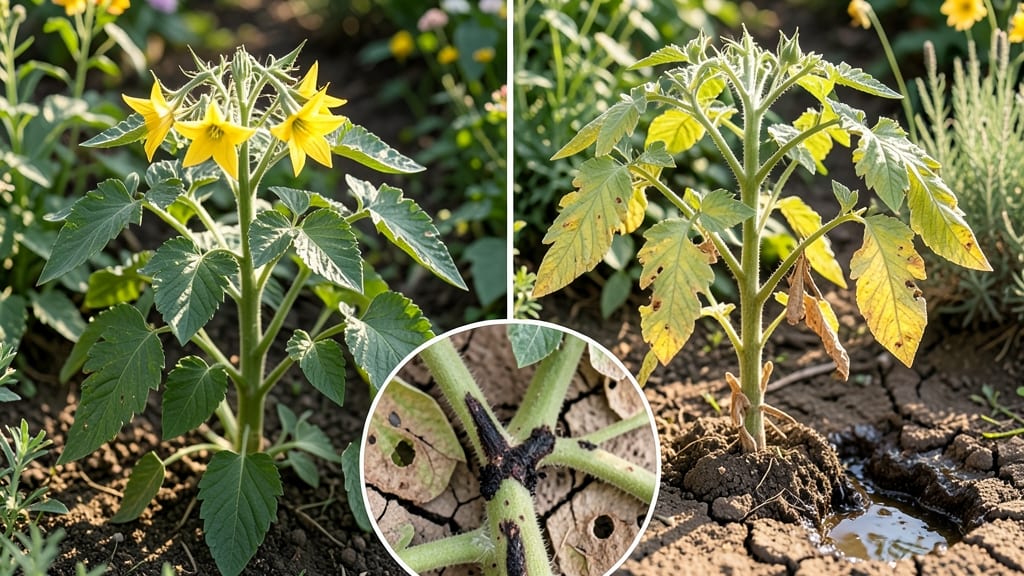
A dying tomato plant looks like a plant in distress—yellowing leaves, limp stems, and suspicious black spots that scream "help me." 🌱 I've seen every stage of tomato plant decline, from early wilting to full-blown collapse, and knowing these signs saved my 2023 harvest when late blight struck unexpectedly.
The first warning is usually yellowing leaves, starting at the bottom and creeping upward like a slow-motion takeover. Check the soil first—too wet or too dry can mimic disease symptoms, and fixing the watering schedule often stops the spread.
Then look for dark spots on stems or leaves: these could be fungal infections like early blight or bacterial speck, both of which thrive in humid conditions. Wilting that doesn't improve after watering? That's often root rot or aphid infestations sucking the life out of your plant.
Prune affected areas immediately with clean shears, and consider a copper fungicide spray for fungal issues. The good news? Tomato plants are resilient—catch these signs early, and you can often nurse them back to health with the right care.
Don't panic if your plant looks beyond saving. Even a struggling tomato plant can teach you what to watch for next season. The key is acting fast—once those black spots spread to the fruit or the entire plant wilts permanently, it's too late to revive it.
But with proper diagnosis and treatment, you'll often see new growth within 7-10 days.
For persistent problems, keep a garden journal noting symptoms, weather patterns, and care routines. That's how I pinpointed my soil was too compacted last year—once I amended it with compost, my tomatoes thrived. Prevention starts with proper spacing, good airflow, and regular inspections during peak growing season.
Root Causes Behind Plant Decline
When your tomato plants start showing signs of distress—whether it’s crispy edges, drooping stems, or leaves turning a sad shade of yellow—it’s usually a cry for help from the roots (or something above ground).
Understanding the why behind these symptoms is the first step to reviving your garden superstar. Let’s dig into the most common culprits and what’s really going on in your soil (or lack thereof).
Tomatoes are thirsty plants, but like Goldilocks, they need just the right amount of water—not too much, not too little. Both extremes disrupt their ability to absorb nutrients and oxygen, leading to a slow-motion collapse.
Overwatering: When soil stays soggy for days, roots suffocate from a lack of oxygen. This triggers anaerobic conditions, where beneficial microbes die off and harmful pathogens (like Phytophthora, a water mold) move in. Symptoms include:
- Yellowing leaves that start at the bottom (oldest leaves first)
- Wilting despite wet soil (roots can’t uptake water efficiently)
- Black, mushy stems or crown rot (a classic sign of fungal invasion)
- Stunted growth or no fruit production
Underwatering: On the flip side, inconsistent watering causes osmotic stress, where roots shrink and struggle to pull moisture from dry soil. Watch for:
- Leaves curling upward (like a taco) or crisping at the edges
- Wilting that happens during the day (plants can’t recover overnight)
- Fruit that cracks or develops blossom-end rot (calcium deficiency from uneven moisture)
Pro Tip: 💡 Stick your finger 2 inches into the soil—if it’s dry, water deeply until it drains from the bottom. If it’s muddy, hold off until the top inch feels slightly damp. Drip irrigation or soaker hoses are your best friends for consistency!
Tomatoes are sun-worshippers, but even they can get sunburned or stressed by extreme conditions. Too little light weakens the plant, while too much can scorch leaves and disrupt photosynthesis.
Insufficient Sunlight: If your plants are tucked away in shade (e.g., under trees or in a north-facing garden), they’ll stretch tall and leggy in search of light. Symptoms include:
- Pale, thin leaves with long spaces between nodes (internodes)
- Slow growth or no flowering/fruiting
- Leaves yellowing between veins (chlorosis)
Excessive Heat or Sunburn: In scorching conditions (especially in hot climates or reflective surfaces like concrete), leaves can develop:
- White or brown scorch marks on upper leaves (like a sunburn)
- Leaves curling downward to protect themselves
- Premature wilting, even with adequate water
Action Step: 🌡️ Tomatoes need 6–8 hours of direct sunlight daily. If your garden is shady, try:
- Pruning nearby trees or relocating plants
- Using reflective mulch (like white plastic) to bounce light onto leaves
- Providing afternoon shade in extreme heat (e.g., with a shade cloth)
Tomatoes are heavy feeders, and soil nutrients can deplete quickly—especially if you’ve grown them in the same spot year after year. Deficiencies show up as distinct visual clues on leaves and stems.
Here’s a quick nutrient cheat sheet for common deficiencies:
| Nutrient | Symptoms | What’s Happening | Fix It |
|---|---|---|---|
| Nitrogen (N) | Yellowing leaves starting at the bottom (older leaves), but veins stay green | Plants can’t produce enough chlorophyll for energy. | Add compost, blood meal, or a balanced fertilizer (10-10-10). |
| Potassium (K) | Yellowing or brown edges on older leaves (like "scorched" tips) | Weakens the plant’s ability to regulate water and fight disease. | Use wood ash, banana peels, or a potassium-rich fertilizer (like 0-0-50). |
| Phosphorus (P) | Dark green or purplish leaves, especially on the underside | Slows root and flower development. | Add bone meal or rock phosphate to the soil. |
| Magnesium (Mg) | Yellowing between veins on older leaves (interveinal chlorosis) | Chlorophyll production breaks down. | Sprinkle Epsom salt (1 tbsp per gallon of water) as a foliar spray. |
| Calcium (Ca) | Blossom-end rot (black, mushy spots on fruit) or new leaves curling | Calcium can’t reach growing points due to uneven watering or poor soil structure. | Apply crushed eggshells, lime, or a calcium nitrate fertilizer. |
Pro Tip: ✨ Before fertilizing, test your soil (kits are cheap and available at garden centers). Over-fertilizing can burn roots and cause even more problems!
Not all tomato troubles come from neglect—some are invited guests you’d rather uninvite. Pests and pathogens can drain nutrients, block sunlight, or inject toxins into your plants.
Common Culprits:
- Fungal Diseases (Early Blight, Late Blight, Powdery Mildew):
- Brown spots with yellow halos (early blight) on lower leaves
- Water-soaked, dark lesions that spread rapidly (late blight)
- White, powdery coating on leaves (mildew)
- Bacterial Spot:
- Small, watery spots with white centers that turn brown
- Spots often have halos and spread quickly in humid weather
- Viral Infections (e.g., Tomato Mosaic Virus):
Revive Your Tomatoes Now
If your tomato plant is showing signs of distress—yellowing leaves, wilting stems, or mysterious black spots—don’t toss it just yet! With the right fixes, you can often bring it back to health and even salvage a harvest. Below, we break down the most common causes and practical, step-by-step solutions to turn things around. Plus, we’ll share prevention tips to keep your plants thriving next season.
If your tomato plant’s leaves are yellowing, especially at the bottom, or the soil feels soggy, it’s likely drowning in water. Tomatoes hate "wet feet" and can develop root rot or fungal diseases.
💦 Step-by-Step Fix:
- Pause Watering Immediately – Let the top 1–2 inches of soil dry out before watering again.
- Check Your Soil – Stick your finger in the soil; if it’s damp below 2 inches, hold off.
- Improve Drainage – If your pot lacks drainage holes, transfer the plant to a container with them. For in-ground plants, amend the soil with compost or perlite to loosen it.
- Repot if Necessary – If root rot has set in (black, mushy roots), trim the affected roots with sterilized scissors and repot in fresh, well-draining soil.
- Water Deeply but Less Often – Use a soaker hose or drip irrigation to deliver water directly to the roots, avoiding wet foliage.
💡 Prevention Tips:
- Water in the morning so leaves dry quickly.
- Avoid overhead sprinklers—they encourage fungal diseases.
- Use mulch (straw or shredded leaves) to retain moisture without waterlogging.
Crispy, curled leaves or wilting stems can mean your plant is thirsty—or struggling with heat. Tomatoes need consistent moisture, especially during fruiting.
👨🍳 Step-by-Step Fix:
- Water Thoroughly – Soak the soil until water drains out the bottom (for pots) or seeps 6–8 inches deep (for in-ground plants).
- Shade from the Harshest Sun – Use a light shade cloth (30–50% coverage) if temps exceed 90°F (32°C).
- Mulch Heavily – Apply 2–3 inches of mulch to retain soil moisture and cool roots.
- Prune for Airflow – Trim dense foliage to improve circulation and reduce heat buildup.
✨ Prevention Tips:
- Install a drip irrigation system for consistent watering.
- Choose heat-tolerant varieties like ‘Solar Fire’ or ‘Heatmaster’ for hot climates.
- Water early in the day to reduce evaporation.
Black or brown spots on leaves, white fuzz, or yellow patches with dark edges? Fungal diseases like early blight, late blight, or powdery mildew are likely the culprits. These spread fast but can be managed.
🔪 Step-by-Step Fix:
- Remove Infected Leaves – Snip off and dispose of (don’t compost) spotted or moldy leaves.
- Apply Fungicide – Use a copper-based fungicide or neem oil spray (mix 1 tbsp neem oil + 1 tsp mild soap + 1 quart water).
Spray both sides of leaves and the soil around the base. 3. Space Plants Wider – Give tomatoes at least 18–24 inches apart for airflow. 4. Water at the Base – Avoid wetting leaves to prevent spore spread.
🎯 Prevention Tips:
- Plant resistant varieties like ‘Defiant PhR’ (blight-resistant).
- Rotate crops yearly—don’t plant tomatoes in the same spot.
- Sterilize tools with rubbing alcohol between uses.
Holes in leaves, chewed stems, or sticky residue? Pests like aphids, hornworms, or spider mites can weaken tomato plants quickly.
🍳 Step-by-Step Fix:
- Handpick Large Pests – Squish hornworms (they’re camouflaged—look for green caterpillars with white stripes).
- Spray Soap Solution – Mix 1 tsp mild liquid soap + 1 quart water and spray directly on pests (avoid beneficial insects).
- Introduce Beneficial Bugs – Ladybugs and lacewings eat aphids; buy them online or attract them with companion plants like marigolds.
- Use Row Covers – Lightweight fabric can block pests while allowing sunlight and water through.
💡 Prevention Tips:
- Plant companion plants like basil, garlic, or nasturtiums to repel pests.
- Inspect plants daily during outbreaks.
- Avoid broad-spectrum pesticides—they kill helpful insects too.
Yellowing between leaf veins or stunted growth? Your tomato may be nutrient-deficient, especially lacking nitrogen, potassium, or magnesium.
📊 Step-by-Step Fix:
- Test Your Soil – Use a DIY soil test kit (available at garden centers) to identify deficiencies.
- Add Organic Amendments – - Nitrogen (for leaves): Coffee grounds, compost, or fish emulsion. - Potassium (for fruit): Banana peels (bury chopped peels near roots) or wood ash. - Magnesium (for yellowing): Epsom salt (1 tbsp per gallon of water, spray foliarly).
- Fertilize Correctly – Use a balanced tomato fertilizer (5-10-10 or 10-20-20) and apply every 2–3 weeks during fruiting.
💪 Prevention Tips:
- Feed regularly but avoid over-fertilizing—too much salt burns roots.
- Use slow-release granules for steady nutrition.
- Rotate crops to prevent nutrient depletion.
With these fixes, your tomato plant should perk up within days to weeks. Remember: early action is key—the sooner you address the issue, the better the chances of a comeback. And if all else fails, save seeds from healthy tomatoes for next season! 🌱
Frequently asked questions
What are the first signs my tomato plant is dying?
Watch for bottom leaves yellowing (older leaves first) or sudden wilting that doesn't recover after watering. These often signal root stress from over/underwatering or early nutrient deficiencies. Check the soil moisture—if it's either bone-dry or soggy, you've caught the problem early!
Can my tomato plant recover if it's completely wilted?
Not always—but act fast! If stems are still firm (not mushy) and leaves regain turgor after watering, recovery is possible. For severe cases, trim damaged foliage, adjust watering, and apply a balanced fertilizer. If stems are hollow or blackened, the plant is likely beyond saving.
Why do my tomato leaves turn yellow but stay green along the veins?
This classic pattern usually means nitrogen deficiency, though it can also indicate overwatering or root rot. Start by checking soil moisture—if soggy, improve drainage immediately. For nitrogen, add compost or fish emulsion. Yellowing between veins (not along them) suggests magnesium deficiency instead.
What's the difference between fungal spots and pest damage?
Fungal spots (like early blight) appear as brown circles with yellow halos, often on lower leaves. Pest damage shows as irregular holes (hornworms) or sticky residue (aphids). Examine leaves closely—fungal spots have defined edges while pest damage looks more ragged and uneven.
Is it too late to save my tomato plant if it has black spots on the fruit?
If you see blackened areas on tomatoes, it's likely blossom-end rot (calcium deficiency) or late blight. For existing fruit, harvest what's ripe immediately—don't wait for full ripeness. Prevent future issues by applying crushed eggshells (for calcium) and using copper fungicide for fungal spread.