
Plants
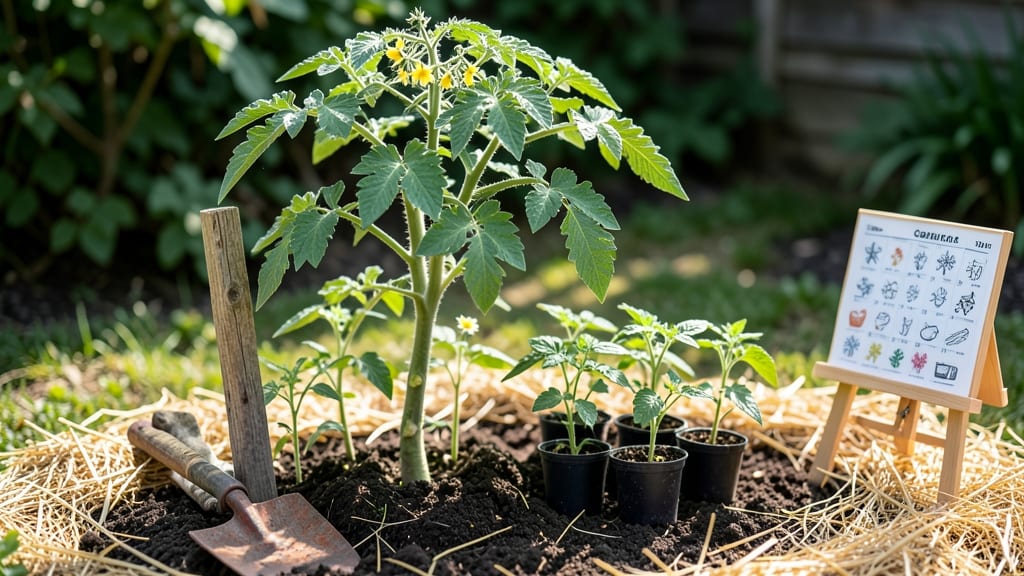
Planting tomato plants in Ohio at the right time means the difference between a bountiful harvest and a sad, frost-nipped failure.
Ohio gardeners know timing is everything—plant tomatoes too early, and frost will strike; too late, and your harvest shrinks. But mastering the exact soil temperature triggers can give you a head start on juicy, vine-ripened tomatoes before summer even begins.
In USDA Zone 6a, where last frosts linger around April 15, soil needs to warm to at least 60°F before transplanting. That’s why I track soil temps like a hawk—skipping this step means stunted growth or worse, seedlings that refuse to thrive.
Below, I’ll break down the perfect planting window for Ohio, how to test soil temperature, and the fastest way to get your tomatoes off to a running start—no guesswork, just results.
Ohio's ideal soil temperature for planting tomatoes (and when to expect it)
Ohio’s soil temperature is the single most critical factor for successful tomato planting. Unlike air temperature, which can fluctuate wildly, soil warmth determines whether seeds germinate or transplants thrive.
For tomato seeds, the magic number is 50°F or warmer, while transplants need at least 60°F to establish roots without shock. In Ohio’s USDA Zone 5-6 climate, these thresholds often align with late April to early May—but regional differences mean your exact timing could vary by weeks.
Northern Ohio (e.g., Cleveland, Toledo) typically sees its last frost around April 15, while southern Ohio (e.g., Cincinnati, Columbus) averages April 1-15. However, soil warms slower than air, so don’t rush to plant based on calendar dates alone.
A late frost in May can still nip tender seedlings, even if the thermometer says summer. That’s why testing your soil’s actual temperature—rather than guessing—is a game-changer for Ohio gardeners.
To test your soil’s temperature accurately, use a soil thermometer (available for under $10). Insert it 2–3 inches deep in your garden bed—this mimics the depth where tomato roots and seeds interact with warmth. Check temperatures in the morning after the sun has warmed the soil for a few hours.
If your reading is below 50°F for seeds or 60°F for transplants, wait 3–5 days and retest. Patience here prevents wasted effort and heartbreak.
Ohio’s microclimates add another layer of complexity. Urban areas like Columbus often warm up faster than rural spots due to heat island effect, while valleys and low-lying gardens can stay colder longer.
If you’re unsure, opt for transplants instead of seeds—they’re less sensitive to temperature swings and give you a head start. Just harden them off for 7–10 days before moving them outdoors to match your garden’s conditions.
Pro tip: If your soil is still chilly by late May, consider black plastic mulch or straw mulch to absorb and retain heat. Lay it down 1–2 weeks before planting to give your soil a warm-up boost.
This trick is especially useful in Zone 5 areas where frosts can linger into May. Pair it with a row cover for extra frost protection, and you’ll extend your growing season by weeks.
One common mistake Ohio gardeners make is planting based on air temperature alone. A 70°F afternoon might feel warm, but your soil could still be hovering at 45°F—cold enough to stunt seed germination or shock transplants.
Always prioritize soil temperature over air temperature, and you’ll avoid the disappointment of slow starts or failed crops. Think of it as your garden’s internal thermostat; get it right, and your tomatoes will reward you with vigorous growth and abundant harvests.
For extra confidence, monitor your local Almanac frost predictions or use the Old Farmer’s Almanac app to track regional trends. Combine this with your soil readings, and you’ll have a foolproof system for timing tomato plantings in Ohio.
Remember: The goal isn’t just to plant early—it’s to plant at the perfect moment when your soil is ready to support rapid, healthy growth.
Once your soil hits that 60°F threshold, your transplants will take off like a rocket. Within days, you’ll see new leaves unfurling and roots diving deep into the warm earth.
That’s the payoff for mastering Ohio’s soil temperature triggers—juicy, vine-ripened tomatoes that taste like summer itself, even if the calendar says otherwise.
Month-by-month Ohio tomato planting schedule: seedlings vs. seeds
Ohio’s variable climate makes timing critical for tomatoes—whether you’re sowing seeds directly or transplanting seedlings. Northern Ohio’s Zone 5b (e.g., Cleveland) has a later last frost (May 15) than southern Ohio’s Zone 6a (e.g., Cincinnati, April 15).
This schedule balances frost risk, soil warmth, and heat-tolerant varieties to maximize your harvest.
For direct seeding, start in late April to early May when soil hits 50°F+—earlier in southern Ohio, later in the north. Transplants, however, thrive best after May 15 once nighttime temps stay above 55°F.
Heat-lovers like ‘Solar Fire’ or ‘Heatmaster’ can handle late starts, but early varieties like ‘Early Girl’ need that head start.
- April (Southern Ohio): Direct-seed cherry tomatoes (e.g., ‘Sweet Million’) when soil reaches 50°F. Use row covers for protection.
- Late April (North Ohio): Start seeds indoors (6–8 weeks before last frost). Transplant seedlings by May 15 once soil is 60°F+.
- May 1–15 (All Regions): Transplant seedlings or direct-seed heat-tolerant varieties (e.g., ‘Celebrity’, ‘Better Boy’) after last frost. Space 18–24 inches apart.
- June (Late Starters): Plant heat-resistant varieties (e.g., ‘Arkansas Traveler’) if missed earlier. Use mulch to retain moisture in Ohio’s humid summers.
Ohio’s microclimates mean your neighbor’s successful June planting might flop in your cooler valley. Test soil temperature with a soil thermometer—aim for 60°F+ for transplants or 50°F+ for seeds. If nights dip below 55°F, delay until temps stabilize or use floating row covers.
Succession planting works well in Ohio: sow new seeds every 2 weeks from May to July for a continuous harvest. For late-season varieties, choose determinate types (e.g., ‘Roma’) that ripen faster in cooler fall temps.
Avoid indeterminate varieties like ‘Brandywine’ for late starts—they need longer heat exposure to set fruit.
Pro tip: Hardening off seedlings for 7–10 days before transplanting prevents shock. Acclimate them to Ohio’s wind and sun by gradually increasing outdoor exposure. Pair this with staking or caging at planting to support heavy vines as they grow through summer’s humid heat.
Remember, Ohio’s first fall frost (typically October 15) signals the end of the season. Heat-tolerant varieties and row covers can push harvests into late September, but plan to harvest before frost—even green tomatoes can ripen indoors with a paper bag trick.